
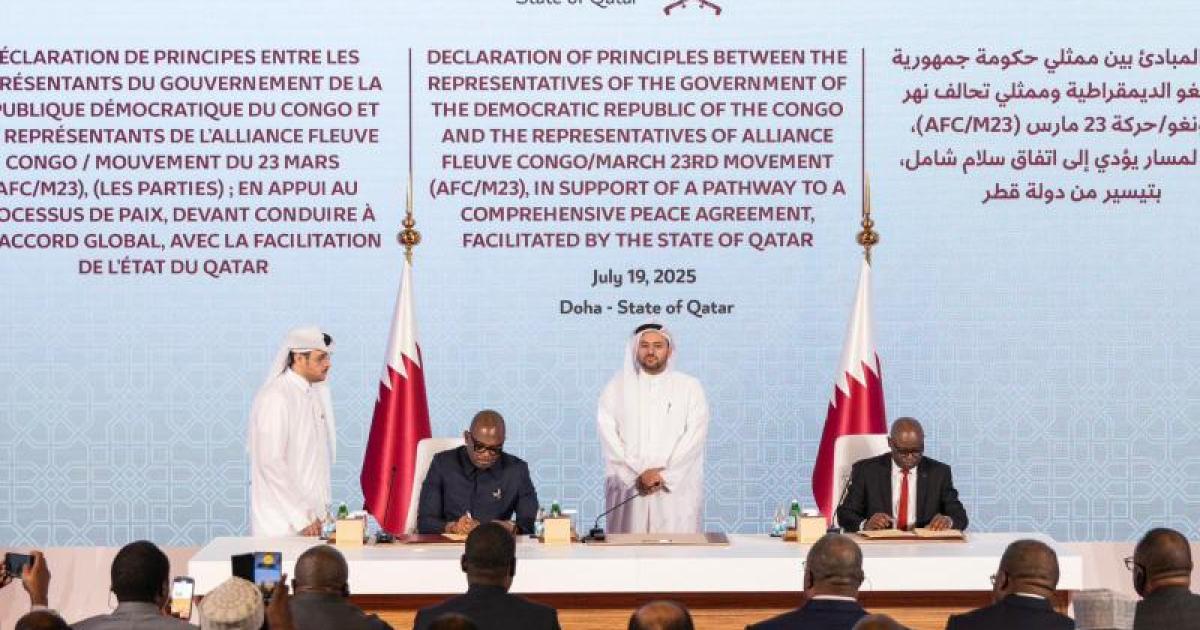
C64: Doha Process RDC Governance Integration Urged for Dialogue
Summary
- The C64, from Rome, called for integrating specific governance aspects into the Democratic Republic of Congo's inclusive national dialogue.
- These governance aspects are detailed in previously signed protocols.
- The inclusive national dialogue aims to achieve peace and end balkanization attempts in the DRC.
- The C64 emphasized that there is no military solution to the ongoing crisis.
- This call, made on October 27, 2026, highlights the importance of institutional frameworks for lasting stability.
A Key Call from Rome
Lawyers and compliance officers, in particular, should closely monitor the trajectory of the Doha Process and the ongoing inclusive national dialogue.
The C64, a significant entity involved in the ongoing efforts for stability in the Democratic Republic of Congo, recently issued a crucial directive from Rome. On October 27, 2026, the group urged that specific governance aspects, already outlined within previously signed protocols, be fully incorporated into the nation's inclusive national dialogue. This emphasis on C64 Doha Process RDC governance integration highlights a strategic pivot towards institutional frameworks as a cornerstone for future peace.
This call underscores the belief that a comprehensive approach to resolving the DRC's challenges must extend beyond immediate conflict resolution to encompass the foundational elements of state management. The integration of these governance principles into the broader national discussions is viewed as essential for establishing a robust and transparent framework that can support long-term stability and development within the country.
The Imperative for Peace in the DRC
The inclusive national dialogue in the Democratic Republic of Congo serves a paramount objective: to foster lasting peace and decisively counter any attempts at the balkanization of the vast Central African nation. This critical forum, operating under the umbrella of the Processus de Doha RDC, is predicated on the understanding that a military resolution to the country's complex and protracted crisis is not viable. Instead, a comprehensive, multi-stakeholder approach is deemed necessary to address the root causes of instability.
The ongoing crisis in the DRC necessitates a unified national front, which the dialogue aims to cultivate by bringing together diverse voices and perspectives. The ultimate goal is to forge a consensus that can underpin a durable peace, thereby safeguarding the territorial integrity and sovereignty of the Democratic Republic of Congo against fragmentation. This strategic emphasis on dialogue reflects a commitment to political solutions over armed conflict.
The Significance of Governance Protocols
The C64's specific reference to governance aspects detailed in signed protocols is particularly noteworthy. These C64 gouvernance protocoles likely encompass a range of principles and mechanisms designed to enhance transparency, accountability, and the rule of law within the DRC's administrative and political structures. Their integration into the inclusive national dialogue is not merely a procedural suggestion but a fundamental requirement for building trust and ensuring equitable resource distribution and power-sharing.
By advocating for the inclusion of these pre-agreed governance frameworks, the C64 is signaling that the path to sustainable peace is inextricably linked to robust institutional reform. These protocols are intended to provide a structured basis for how the country should be managed, ensuring that any peace agreement is supported by strong, legitimate, and effective governance systems capable of preventing future conflicts and promoting national cohesion.
Implications for Legal and Business Stakeholders
The push for C64 Doha Process RDC governance integration carries significant implications for international and domestic legal and business communities operating within the Democratic Republic of Congo. Lawyers and compliance officers, in particular, should closely monitor the trajectory of the Doha Process and the ongoing inclusive national dialogue. The successful integration of governance aspects into these discussions could foreshadow substantial legal and regulatory reforms.
Such reforms might directly influence existing business operations, reshape investment frameworks, and introduce new compliance obligations across various sectors in the DRC. Understanding the evolving governance landscape, as shaped by these protocols and the national dialogue, will be crucial for mitigating risks and identifying opportunities in a country striving for stability and economic development. Proactive engagement with these developments will be key for stakeholders navigating the DRC's future legal and commercial environment.
Practical Implications
Lawyers and compliance officers should closely monitor the progress of the Doha Process and the inclusive national dialogue in the Democratic Republic of Congo. The call to integrate governance aspects into these discussions signals potential future legal and regulatory reforms that could impact business operations, investment frameworks, and compliance obligations within the country.
Source
How does this affect you?
Get an AI analysis of this article grounded in your jurisdictions, practice areas, and any policy documents you've uploaded to Wansom.
Finish Reading the Full Story and the Expert Analysis.
Wansom is AI and can make mistakes.