
DR Congo: Beni Massacre Victims Continue to Seek Justice and Reparation
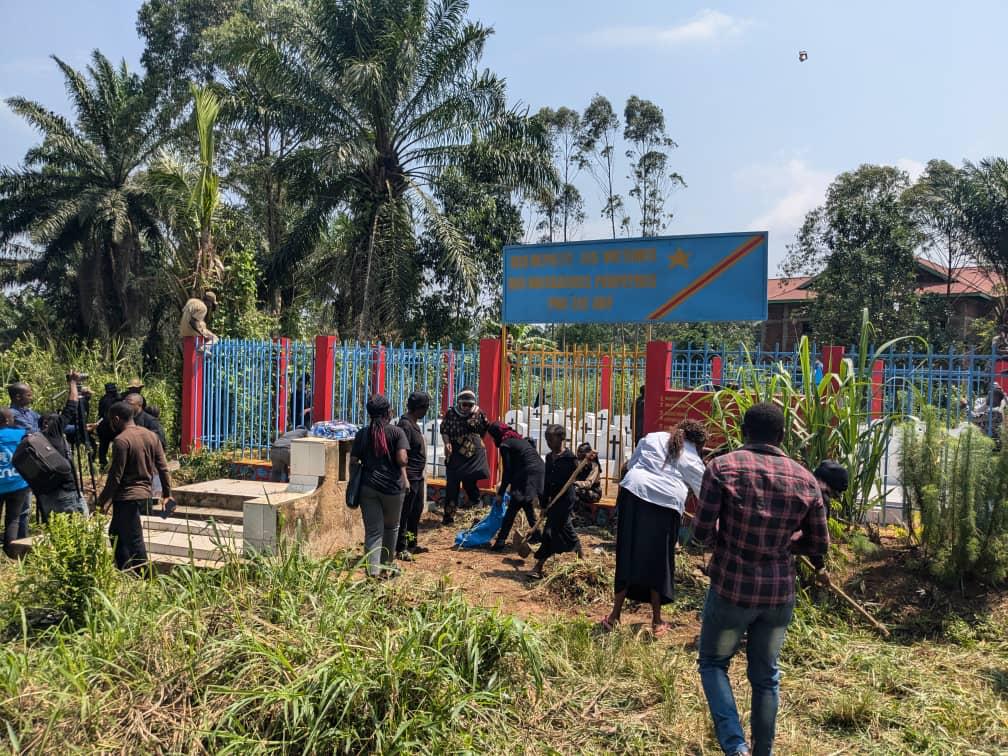
On October 15, 2014, approximately thirty civilians were killed in the Ngadi district on the outskirts of Beni, North Kivu, Democratic Republic of Congo, in massacres attributed to ADF combatants, and twelve years later, victims and their families continue to demand justice and reparations.
This persistent demand for justice and reparations highlights the profound and enduring challenges in achieving accountability for grave human rights violations and international crimes in conflict-affected regions, particularly concerning the fundamental rights of victims to truth, justice, and effective remedies under both domestic and international law. The ongoing suffering and the unaddressed grievances of the survivors and families underscore the critical importance of combating impunity for atrocities, which can perpetuate cycles of violence, erode public trust in state institutions, and undermine the rule of law. This situation serves as a stark reminder of the long-term societal impact of such events and the state's fundamental obligation to protect its citizens and provide redress when such protection fails.
The legal context for these demands is rooted in the Democratic Republic of Congo's (DRC) domestic legal framework, including its Constitution and criminal code, which prohibit such acts and provide for the prosecution of perpetrators. Furthermore, the DRC is a signatory to numerous international human rights treaties and instruments, notably the Rome Statute of the International Criminal Court (ICC), which grants the ICC jurisdiction over war crimes, crimes against humanity, and genocide – categories of crimes potentially applicable to the actions attributed to the ADF. Domestically, military courts often handle cases involving armed groups, while the civilian justice system, despite being frequently overburdened, is theoretically responsible for ensuring justice for all citizens. The international legal principle of reparations for victims of international crimes, requiring states to provide effective remedies for harm suffered, is also highly relevant here.
The key parties involved in this ongoing struggle for justice include the victims and their families, who are the primary claimants for redress, and the alleged perpetrators, the ADF combatants. The government of the Democratic Republic of Congo bears the primary responsibility for ensuring security, investigating crimes, prosecuting perpetrators, and providing reparations. Other significant actors include national judicial institutions (both military and civilian courts), and potentially international bodies like the International Criminal Court if national mechanisms are deemed unwilling or unable to genuinely carry out investigations or prosecutions. Various national and international human rights organizations also play a crucial role in advocating for the victims and monitoring the state's response.
Attorneys and legal professionals operating in or advising on matters related to the DRC, particularly in conflict zones, should closely monitor developments regarding accountability mechanisms for atrocities committed by armed groups like the ADF. This includes tracking domestic prosecutions, potential international interventions, and legislative efforts to strengthen victim compensation and reparation frameworks. Practitioners advising businesses or non-governmental organizations in the region must be acutely aware of the heightened legal, ethical, and reputational risks associated with operating in areas where such grave human rights violations remain unaddressed, and understand the evolving landscape of corporate social responsibility and human rights due diligence. Furthermore, lawyers specializing in international criminal law or human rights should be prepared to assist victims in pursuing claims for justice and reparations, navigating the complex interplay between national and international legal avenues. The excerpt does not report on the specific outcome of these demands for justice and reparations, indicating that this remains an active and unresolved legal and humanitarian challenge.
How does this affect you?
Get an AI analysis of this article grounded in your jurisdictions, practice areas, and any policy documents you've uploaded to Wansom.
Finish Reading the Full Story and the Expert Analysis.
Get the latest legal & regulatory intelligence in DR Congo
Wansom is AI and can make mistakes.