
DR Congo: ADDCONGO Denounces Slow Investigation into Militant's Death
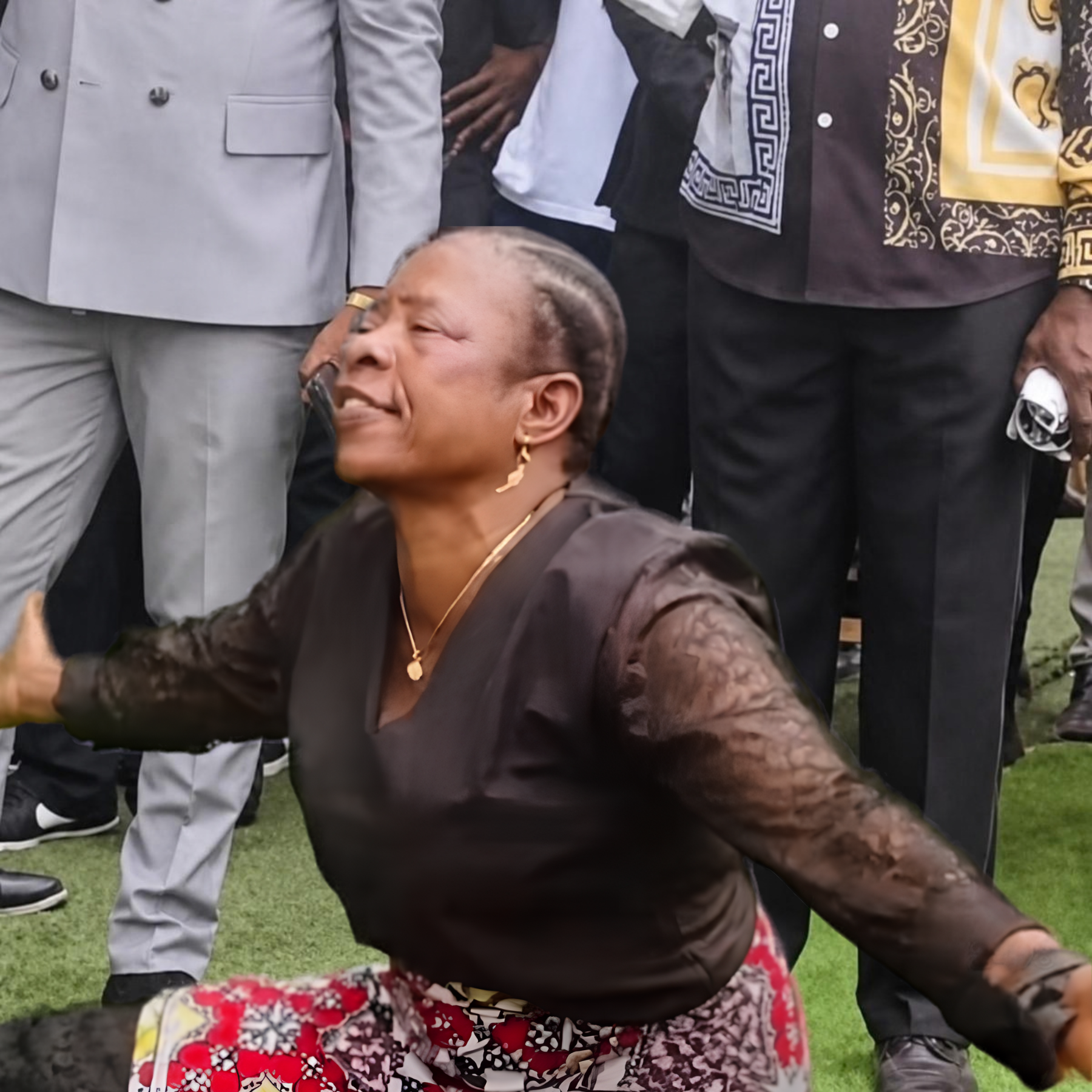
In the Democratic Republic of Congo (DRC), the political party ADDCONGO, led by Prince Epenge, on Monday, October 12, denounced the lack of progress in the investigation into the death of its activist, Manassé Lomboto, nearly a month after his passing.
This development raises serious concerns regarding the rule of law, the independence of the judiciary, and the protection of political rights within the DRC. The alleged slow pace of an investigation into the death of a political activist can erode public trust in the justice system, potentially suggest political interference, or indicate systemic inefficiencies within law enforcement and judicial bodies. For legal practitioners, this situation underscores the challenges in ensuring accountability for politically sensitive cases and highlights the critical importance of advocating for transparent and timely judicial processes, especially in matters involving human rights and political freedoms.
The legal framework implicated in this matter includes the DRC's Constitution, which guarantees fundamental rights such as the right to life and due process, and the Code of Criminal Procedure, which outlines the procedures for criminal investigations. The Ministry of Justice, which reportedly announced an investigation, plays a pivotal role in overseeing the judicial system and ensuring the proper functioning of law enforcement agencies, including the police and the public prosecutor's office (Parquet). While the principle of a fair and speedy trial is often applied to the accused, it implicitly demands that investigations into serious crimes be conducted diligently and without undue delay. A lack of progress could prompt calls for intervention from higher judicial authorities or international human rights bodies.
Key parties involved include ADDCONGO, the political party making the denunciation; Manassé Lomboto, the deceased activist; Prince Epenge, ADDCONGO's leader; and the Ministry of Justice, which initiated the investigation. The denunciation occurred on Monday, October 12, with the death having taken place approximately a month prior. Attorneys involved in human rights, criminal law, or political advocacy in the DRC should closely monitor such cases. They should be prepared to advise political parties and civil society organizations on effective avenues for pressing for judicial accountability, including formal complaints, petitions to the public prosecutor, and potentially engaging with national human rights institutions or international mechanisms if domestic remedies prove insufficient. This case underscores the ongoing need for vigilance regarding the independence and efficiency of the justice system, particularly when political sensitivities are involved. The outcome of this matter, specifically the progress of the investigation, is not yet reported.
Practitioners should advise clients on the importance of documenting all interactions with judicial and law enforcement authorities, maintaining pressure through legal and public channels, and understanding the potential for such delays to impact broader perceptions of justice and stability. The ability to navigate these complexities is crucial for any entity operating within the DRC's political and legal landscape.
How does this affect you?
Get an AI analysis of this article grounded in your jurisdictions, practice areas, and any policy documents you've uploaded to Wansom.
Finish Reading the Full Story and the Expert Analysis.
Get the latest legal & regulatory intelligence in DR Congo
Wansom is AI and can make mistakes.