
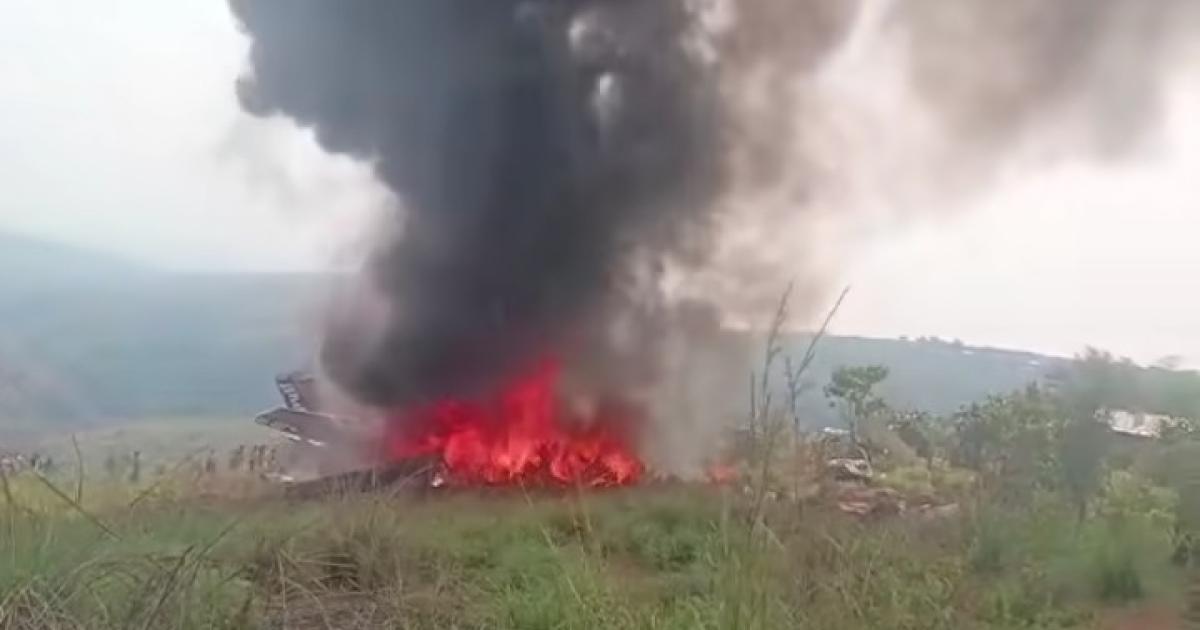
DRC Military Justice Leadership: Kenge Crash Kills 2 Top Generals
Summary
- An aircraft crash in Kwango province, known as the Kenge crash, resulted in the deaths of two high-ranking military justice officials.
- Lieutenant-General Joseph Mutombo Katalay Tiende, the first president of the Haute Cour militaire, was among the victims.
- Lieutenant-General Lucien-René Likulia Bakumi, another senior officer, also perished in the incident on October 10, 2026.
- Both officers were recognized for their efforts in combating sexual violence and impunity within the DRC's military justice system.
- The UN High Commissioner for Human Rights hopes that the momentum against these issues will continue despite their deaths.
What Happened
The UN High Commissioner for Human Rights has specifically voiced a strong hope that the significant momentum generated by these two officers in addressing sexual violence and impunity will not falter despite their untimely demise.
An aviation incident, now widely referred to as the Kenge crash, tragically claimed the lives of two prominent figures within the Democratic Republic of Congo's military justice system. The fatal event involved a small-capacity aircraft, described as a "petit porteur" type, which went down in the Kwango province. This unfortunate accident resulted in the immediate death of Lieutenant-General Joseph Mutombo Katalay Tiende, who held the significant position of first president of the Haute Cour militaire.
Alongside him, Lieutenant-General Lucien-René Likulia Bakumi also perished in the same crash. The loss of these two high-ranking officers represents a considerable blow to the leadership structure of the DRC's military justice apparatus. The precise circumstances surrounding the crash of the "petit porteur" aircraft on October 10, 2026, remain a focal point of concern, given the stature of the individuals involved and their critical roles in the nation's legal framework.
Legal Context and Leadership Roles
The passing of Lieutenant-General Joseph Mutombo Katalay Tiende, particularly, leaves a substantial void at the pinnacle of the DRC's military judiciary. As the inaugural president of the Haute Cour militaire, his leadership was instrumental in establishing and guiding this crucial institution. The Haute Cour militaire serves as the highest judicial body within the military justice system of the Democratic Republic of Congo, responsible for adjudicating serious offenses committed by military personnel, including those that often involve human rights violations.
Both Lieutenant-General Mutombo Katalay Tiende and Lieutenant-General Likulia Bakumi were recognized for their active engagement in efforts to combat sexual violence and impunity within the military ranks. Their positions as senior leaders in the Congo military justice system meant they were at the forefront of initiatives aimed at upholding discipline, ensuring accountability, and promoting respect for human rights. Their collective experience and influence were vital in shaping the direction and effectiveness of military justice proceedings, especially concerning sensitive cases that demand rigorous oversight and impartial judgment. The continuity of the Haute Cour militaire RDC leadership is now a pressing issue following these tragic deaths.
Implications for Justice and Human Rights
The international community has quickly acknowledged the profound impact of the Kenge plane crash victims' deaths on the ongoing struggle for justice in the DRC. The UN High Commissioner for Human Rights has specifically voiced a strong hope that the significant momentum generated by these two officers in addressing sexual violence and impunity will not falter despite their untimely demise. This statement underscores the critical nature of their work and the challenges that persist in ensuring accountability for such grave offenses within the country.
The commitment of Lieutenant-General Joseph Mutombo Katalay Tiende and Lieutenant-General Lucien-René Likulia Bakumi to tackling DRC sexual violence impunity was a cornerstone of their professional legacy. Their leadership provided impetus to investigations and prosecutions that are vital for victims and for reinforcing the rule of law. The continuity of these efforts is paramount, as the fight against impunity for sexual violence remains a deeply entrenched and complex issue within the Democratic Republic of Congo. The impact of their deaths on the future trajectory of military justice, particularly in upholding human rights standards and ensuring justice for victims, will be closely observed by both national and international stakeholders.
Practical Implications
Lawyers and compliance officers should monitor the appointment of new leadership to the DRC's Haute Cour militaire and assess potential impacts on ongoing military justice proceedings, especially those addressing sexual violence and impunity, given the significant roles of the deceased officers.
Source
Source: Original reporting via PMaki
How does this affect you?
Get an AI analysis of this article grounded in your jurisdictions, practice areas, and any policy documents you've uploaded to Wansom.
Finish Reading the Full Story and the Expert Analysis.
Get the latest legal & regulatory intelligence in DR Congo
Wansom is AI and can make mistakes.