
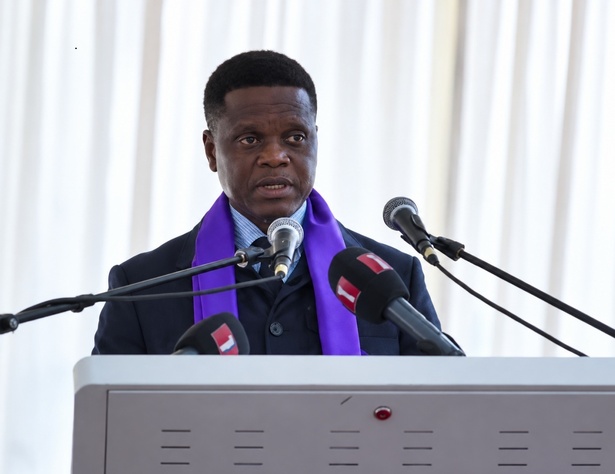
Djibril Sonko: Demands Joola Renflouement, Flags Pont Émile Badiane Degradation
Summary
- Ziguinchor Mayor Djibril Sonko called for the salvage of the Joola ferry, which sank 24 years ago, claiming 1,863 lives due to severe overloading and delayed rescue.
- Sonko emphasized that critical lessons from the Joola disaster regarding transport safety and regulatory compliance have not been fully learned.
- He highlighted the advanced degradation of the Émile Badiane bridge as a permanent risk, urging its reconstruction as a state priority for the Casamance region.
- Despite closed market procedures and budget allocation, the reconstruction of the Émile Badiane bridge is contingent on available budgetary margins.
- Sonko also advocated for broader development in Casamance, including support for returning displaced families, improved accessibility, economic revival, and intensified demining efforts.
A Call for Justice and Remembrance
The mayor underscored that the catastrophic loss of life, officially reported at 1,863 individuals with 971 from the region, was exacerbated by the vessel's severe overloading—designed for approximately 500 passengers—and significant delays in emergency response.
During the 24th commemoration of the Joola ferry disaster in Ziguinchor, Mayor Djibril Sonko paid tribute to the victims and extended his sympathy to the affected families and survivors. The mayor underscored that the catastrophic loss of life, officially reported at 1,863 individuals with 971 from the region, was exacerbated by the vessel's severe overloading—designed for approximately 500 passengers—and significant delays in emergency response. The tragic sinking occurred around 11 PM, yet the national Navy was not alerted until 7 AM the following day, with rescue efforts only commencing at 6 PM.
The commemoration event centered on the theme of preserving Joola relics for a future memorial-museum. Mayor Sonko strongly advocated for the families' desire to recover the remains of their loved ones or personal belongings from the sunken vessel. He asserted that the state must prioritize the "renflouement du Joola" (salvage of the Joola) as a key public action. Sonko urged the state, local authorities, victim associations, families, and survivors to unite their efforts in establishing this vital memorial.
Unheeded Lessons in Transport Safety
Mayor Sonko expressed concern that crucial lessons from the Joola tragedy have not been fully absorbed, particularly regarding `sécurité transport Sénégal`. He specifically criticized persistent practices of overloading and widespread non-compliance with regulations across various transport sectors. Sonko called for a collective awakening to these issues, emphasizing that the transmission of the disaster's legacy also involves acknowledging the systemic failures that contributed to its devastating toll. This critique highlights ongoing challenges in `conformité maritime Sénégal` and broader transport safety.
Urgent Concerns for the Émile Badiane Bridge
Beyond the Joola, Mayor Djibril Sonko raised a critical alert regarding the Émile Badiane bridge, a vital piece of infrastructure in the region. He characterized the bridge's advanced `dégradation pont Émile Badiane` as a constant hazard, demanding that its reconstruction be elevated to a state priority. This urgent call for action comes amidst local mobilization, with the collective "L'Heure est Grave pour la Casamance" having planned a peaceful march for September 26, 2026, to protest the slow pace of work. However, Prefect Latyr Diaye denied permission for the demonstration, citing its coincidence with the naufrage Joola 2002 commemoration.
Despite the urgency, the project faces bureaucratic and financial hurdles. While the necessary market procedures have been finalized and the project's budget allocated within the finance law, the actual commencement of reconstruction remains conditional upon the availability of budgetary margins. This situation underscores the complexities inherent in `projets infrastructure Sénégal` and the challenges in translating allocated funds into tangible progress on critical public works.
Broader Development for Casamance
Mayor Sonko's address also encompassed a broader appeal for the development of the Casamance region. He called for enhanced support for displaced families returning to their villages and stressed the need for increased efforts to improve road, air, and maritime accessibility, a process known as "désenclavement." Furthermore, he advocated for the revitalization of economic and social activities, including the establishment of units for processing agricultural and local products, and the acceleration of the agropole project. To ensure the long-term security and sustainable return of populations, Sonko also demanded the continuation and intensification of demining operations in affected areas.
Practical Implications
This article signals increased political and public pressure on the Senegalese government to enforce transport safety regulations and address infrastructure deficiencies. Lawyers advising transport companies should anticipate heightened compliance scrutiny, while those involved in public works projects should monitor potential delays and funding issues related to critical infrastructure like the Émile Badiane bridge.
Source
Source: Original reporting via exclusif
How does this affect you?
Get an AI analysis of this article grounded in your jurisdictions, practice areas, and any policy documents you've uploaded to Wansom.
Finish Reading the Full Story and the Expert Analysis.
Get the latest legal & regulatory intelligence in Senegal
Wansom is AI and can make mistakes.