
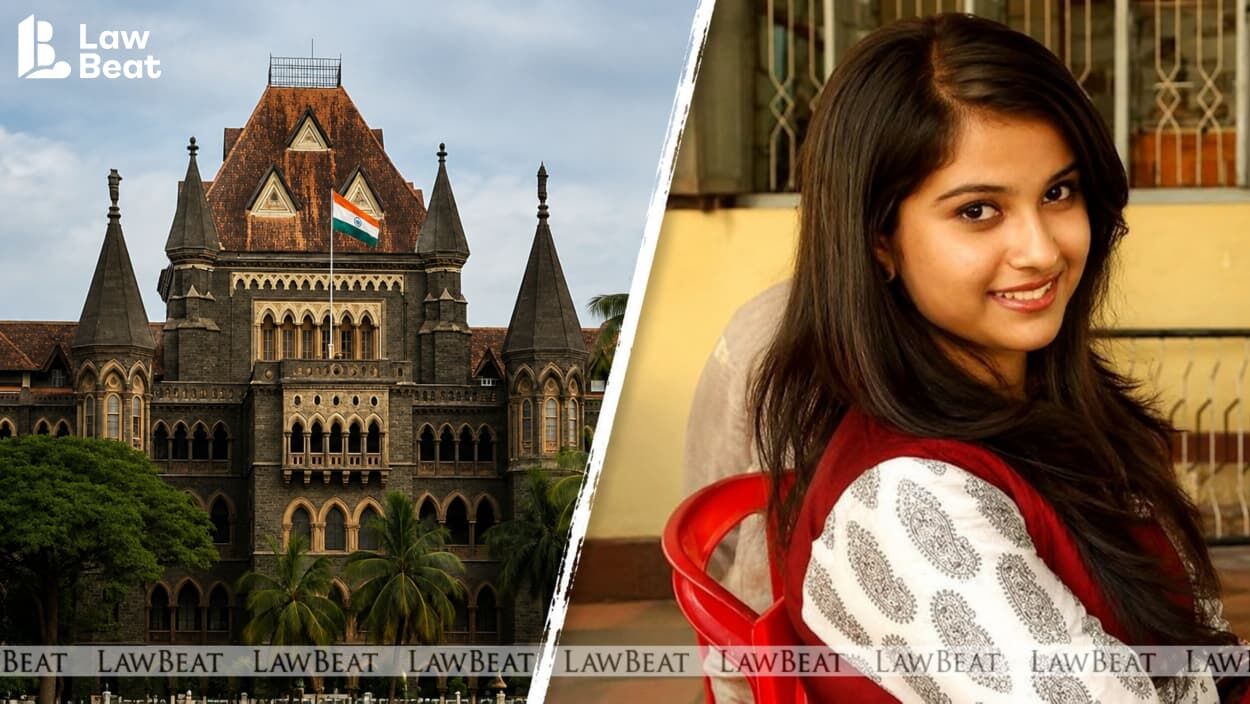
Bombay High Court: Orders Disha Salian Death CBI Probe, FIR
Summary
- The Bombay High Court ordered the CBI to register an FIR and investigate the 2020 death of celebrity manager Disha Salian.
- The directive followed a petition by Salian's father, Satish Salian, alleging sexual assault and murder and criticizing the Mumbai Police's initial handling.
- The court emphasized that an Accidental Death Report (ADR) inquiry cannot substitute for a criminal investigation into cognisable offences.
- The Maharashtra government defended the Mumbai Police's findings, while the petition faced opposition alleging political motivation to target Aaditya Thackeray.
- Salian, 28, died on June 8, 2020, after falling from a high-rise, six days before actor Sushant Singh Rajput's death.
Court Mandates Fresh Investigation into Disha Salian's Death
The court observed that an inquiry under Section 174 of the CrPC, now corresponding to Section 194 of the Bharatiya Nagarik Suraksha Sanhita (BNSS), could not give anyone a 'clean chit' in relation to allegations of a cognisable offence.
The Bombay High Court has directed the Central Bureau of Investigation (CBI) to initiate a fresh probe into the 2020 death of celebrity manager Disha Salian, ordering the agency to register a First Information Report (FIR). This significant ruling, delivered by a division bench comprising Justices S V Kotwal and Ranjitsinha Bhonsale, comes in response to a petition filed by Salian's father, Satish Salian, who alleged his daughter was sexually assaulted and murdered. He also raised serious concerns about the initial handling of the case by the Mumbai Police.
The court's directive mandates that a senior CBI officer be assigned to oversee the investigation into the Disha Salian death CBI probe Bombay HC. While emphasizing the need for a thorough inquiry, the bench also cautioned against detaining individuals based solely on allegations, stipulating that reasonable suspicion of an offence must emerge from the investigation. Should the CBI find no criminality after its probe, it is instructed to file a summary report.
Disha Salian, who was 28 years old, tragically died on June 8, 2020, after falling from a high-rise building located in Mumbai's Malad area. She was known for her work as a celebrity manager and had professional ties to actor Sushant Singh Rajput, whose own death occurred just six days later at his Bandra residence. Satish Salian's petition specifically sought the registration of an FIR and a comprehensive new investigation by a central agency, driven by his belief that his daughter was a victim of sexual assault and murder.
Judicial Scrutiny of Initial Police Inquiry
A central focus of the Bombay High Court Disha Salian investigation was a critical examination of how the Mumbai Police initially managed the case. The bench questioned why the matter had remained under an Accidental Death Report (ADR) inquiry for an extended period without an FIR being registered, particularly given the allegations that cast suspicion on the circumstances surrounding Salian's death. This line of inquiry highlighted the court's concern over the adequacy of the initial police response.
During its proceedings, the court delved into the crucial distinction between an inquiry into an unnatural death, typically conducted under Section 174 of the Criminal Procedure Code (CrPC) — now corresponding to Section 194 of the Bharatiya Nagarik Suraksha Sanhita (BNSS) — and a full-fledged criminal investigation. The judges explicitly questioned whether an inquiry under these sections could adequately substitute for an investigation into a cognisable offence. The court observed that an inquiry under Section 174 of the CrPC, now corresponding to Section 194 of the Bharatiya Nagarik Suraksha Sanhita (BNSS), could not give anyone a 'clean chit' in relation to allegations of a cognisable offence.
The court was careful to clarify that its intervention did not imply a conclusive finding that Salian had been raped or murdered. Instead, its objective was to determine whether the allegations presented and the material available warranted the registration of an FIR and the initiation of a proper, comprehensive investigation. This nuanced approach underscores the judiciary's role in ensuring due process and thoroughness in suspicious death cases.
Competing Narratives and Political Allegations
The Maharashtra government mounted a defense of the investigation conducted by the Mumbai Police, asserting that the evidence gathered did not indicate any foul play in Disha Salian's death. The state presented various materials to support its position, including spot panchnamas, statements from witnesses, forensic evidence, CCTV footage, and mobile call records. Furthermore, the statement provided by Salian's fiancé, Rohan Roy, was also referenced by the state to bolster its argument.
Adding another layer of complexity, a Special Investigation Team (SIT) had previously examined the case. In July 2025, the SIT informed the high court that its ongoing investigation had not uncovered any evidence of foul play in Salian's demise. However, the petition seeking a fresh probe faced strong opposition from senior advocate Sudeep Pasbola, who represented Shiv Sena (UBT) leader Aaditya Thackeray. Thackeray's name had been implicated in some of the allegations surrounding the case.
Pasbola contended that the petition was politically motivated, suggesting that Satish Salian had become a "tool" for political adversaries seeking to undermine Thackeray. Aaditya Thackeray himself has consistently denied the allegations, maintaining that the legal proceedings were an attempt to tarnish his reputation. This political dimension is further complicated by the fact that Satish Salian initially informed the police in 2020 that he did not suspect foul play and was satisfied with their investigation, only to later change his stance, alleging gang-rape and seeking a new inquiry.
Significance of the Bombay High Court's Directive
The Bombay High Court's decision to order a CBI FIR Disha Salian death investigation carries significant implications for how suspicious deaths are handled, particularly when initial police inquiries face criticism. The ruling reinforces the judiciary's power to intervene and mandate a more rigorous investigation by a central agency, even years after the initial incident, when serious allegations of cognisable offences are raised and the initial probe is deemed insufficient.
This judgment highlights the critical distinction between the limited scope of an inquiry under Section 174 CrPC (now corresponding to Section 194 of the Bharatiya Nagarik Suraksha Sanhita (BNSS)) and the comprehensive nature required for a criminal investigation. It serves as a strong precedent that an Accidental Death Report cannot be a substitute for a full criminal probe when allegations of sexual assault or murder are present, regardless of initial police findings. The court's insistence on an FIR ensures that the investigation proceeds with the appropriate legal framework for uncovering potential criminality.
The ruling also addresses the Mumbai Police Disha Salian probe criticism directly, by acknowledging the concerns raised about the initial handling of the case. By directing a CBI probe, the court aims to ensure that all allegations are thoroughly investigated, providing a measure of accountability and potentially bringing clarity to the circumstances surrounding Disha Salian's untimely demise. This decision underscores the judiciary's commitment to upholding justice and ensuring that serious allegations are not left unaddressed.
Practical Implications
This ruling clarifies the critical distinction between an Accidental Death Report (ADR) inquiry and a full criminal investigation, emphasizing that an ADR cannot substitute for an FIR when cognisable offences are alleged. Lawyers should note this precedent for challenging the scope and adequacy of initial police inquiries and the court's power to mandate fresh, central agency investigations into suspicious deaths, even years after the event.
Source
Source: Original reporting via {source}
How does this affect you?
Get an AI analysis of this article grounded in your jurisdictions, practice areas, and any policy documents you've uploaded to Wansom.
Finish Reading the Full Story and the Expert Analysis.
Wansom is AI and can make mistakes.