
Delhi High Court: Gaurav Bhatia AI Defamation Takedown Suggested
Summary
- The Delhi High Court addressed a ₹2-crore defamation suit filed by BJP leader Gaurav Bhatia against the Cockroach Janta Party and its members over an AI-generated social media post.
- The alleged AI-generated content falsely attributed defamatory remarks to Bhatia, which he vehemently denied.
- Justice Tushar Rao Gedela pulled up the defendants for unverified attacks and suggested a voluntary takedown of the posts instead of an immediate court order.
- The court questioned Bhatia's decision to include certain parties without clear evidence and advised the young defendants on appropriate methods of protest.
- Bhatia is seeking ₹2 crore in damages and permanent injunctions, while the defendants' counsel claimed they had not yet received the plaint copy.
High Court Addresses AI-Generated Defamation Claims
The court indicated a preference for a voluntary resolution, explicitly stating that it did not wish to issue a formal takedown order at that particular stage of the proceedings.
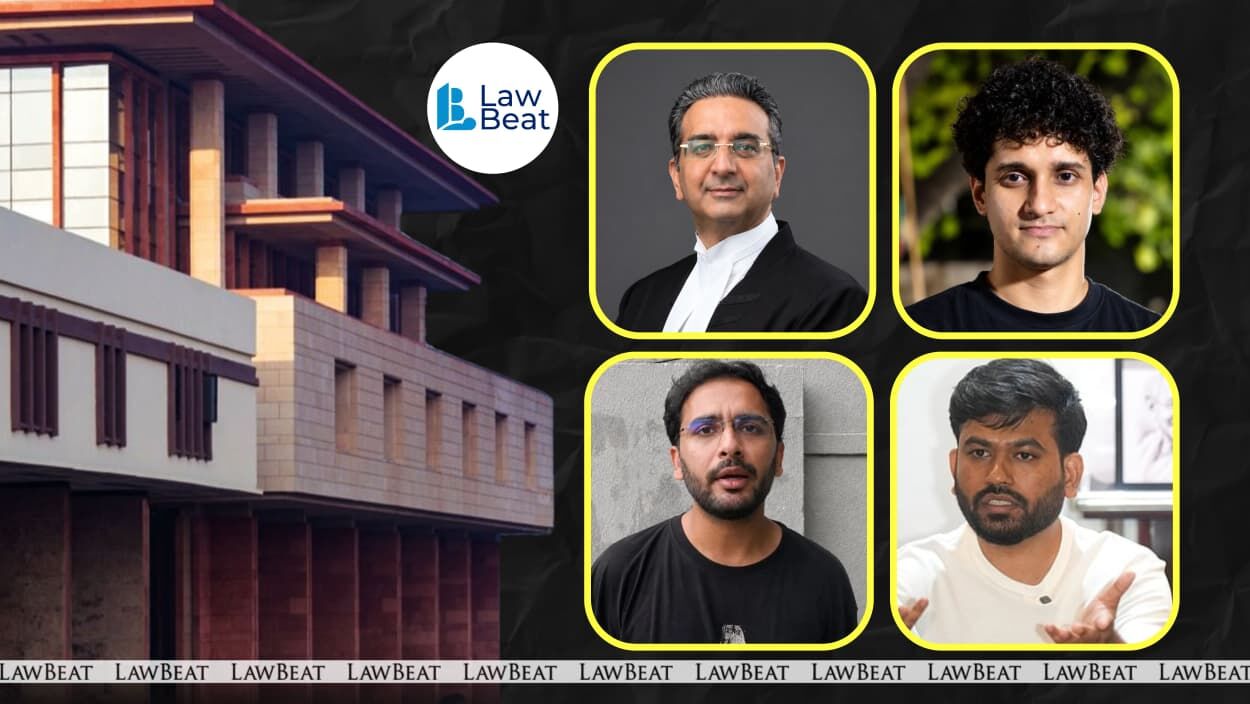
The Delhi High Court recently intervened in a significant defamation lawsuit filed by Senior Advocate and BJP leader Gaurav Bhatia, targeting the Cockroach Janta Party (CJP), its founder Abhijit Dipke, Chief Spokesperson Saurav Das, and co-convenor Ashutosh Ranka. Bhatia initiated the ₹2-crore suit following the dissemination of an AI-generated social media post that he alleges falsely attributed defamatory remarks to him. The contentious post purportedly depicted Bhatia labeling Swatantra Bhardwaj a 'dimagi naxal' and accusing him of harboring 'casteist poison'.
Bhatia vehemently denied making any such statements, asserting that the remarks were fabricated and falsely ascribed to him. During the hearing, he characterized the situation as 'aggravated defamation,' emphasizing that the posts could not remain accessible online given the defendants' substantial social media following. He argued that the continued presence of these posts was causing ongoing damage to his reputation, stating that his image was being harmed 'by every minute'.
Beyond monetary compensation, Bhatia's plea seeks permanent and mandatory injunctions against the defendants to prevent further dissemination of the content. He informed the court that he had previously offered the defendants an opportunity to resolve the matter amicably, requesting them to consider a voluntary takedown of the disputed posts.
Judicial Scrutiny and Voluntary Resolution
Presiding over the matter, Justice Tushar Rao Gedela of the Delhi High Court expressed strong observations regarding the defendants' conduct. The judge admonished the CJP leaders, stating that 'attacking like this without verifying is not correct,' and suggested that the posts be voluntarily removed. The court indicated a preference for a voluntary resolution, explicitly stating that it did not wish to issue a formal takedown order at that particular stage of the proceedings.
Justice Gedela also critically questioned Bhatia's decision to include Abhijit Dipke and the CJP as parties to the lawsuit. The judge inquired about their specific involvement, asking what actions Dipke and the organization had taken in the matter. Counsel representing Dipke countered, asserting that there was 'not a single tweet' from his client and highlighting that the relief sought in the suit was primarily directed against Saurav Das and Ashutosh Ranka. Bhatia, in response, suggested the court examine the tweets and alleged the emergence of an 'ecosystem' targeting him after he complained about the publication of the allegedly false picture.
The court further pressed Bhatia to demonstrate the specific evidence against Dipke, reminding him that it was a personal case filed by him. Justice Gedela also cautioned against altercations between the counsels during the proceedings, threatening to pass over the matter if such exchanges persisted. The court asked the counsel for CJP, Das, Dipke, and Ranka to seek instructions from their clients regarding the voluntary removal of the posts and to inform the court of their decision later that day.
Court's Counsel and Broader Implications
Despite Bhatia's allegations, including a claim that the opposing side had forged a picture and affixed a news agency's logo to lend credibility to the content, the defendants' counsel maintained that they had not yet received a copy of the plaint. This procedural detail added another layer to the early stages of the legal battle.
Addressing the young defendants, Justice Gedela offered informal advice, asking them, off the record, whether they wished to spend their time in court, referencing their studies. The court acknowledged that while the defendants might have anxieties, there was a proper and appropriate method for expressing dissent. The judge emphasized, 'You are youngsters. You may have anxieties. But attacking like this without verifying is not correct. There is a way to protest.' This approach underscores the Delhi High Court's inclination towards encouraging responsible online conduct and seeking early, voluntary resolutions in defamation cases, especially those involving AI-generated content and social media.
Practical Implications
This ruling highlights the Delhi High Court's approach to social media defamation involving AI-generated content, emphasizing the importance of verification before posting and suggesting voluntary takedowns as a preferred initial resolution. Lawyers advising clients on online content or facing defamation suits should note the court's inclination towards early, voluntary resolution and its scrutiny of parties arrayed without clear evidence, which could influence litigation strategy and settlement discussions.
Source
How does this affect you?
Get an AI analysis of this article grounded in your jurisdictions, practice areas, and any policy documents you've uploaded to Wansom.
Finish Reading the Full Story and the Expert Analysis.
Get the latest legal & regulatory intelligence in India
Wansom is AI and can make mistakes.