
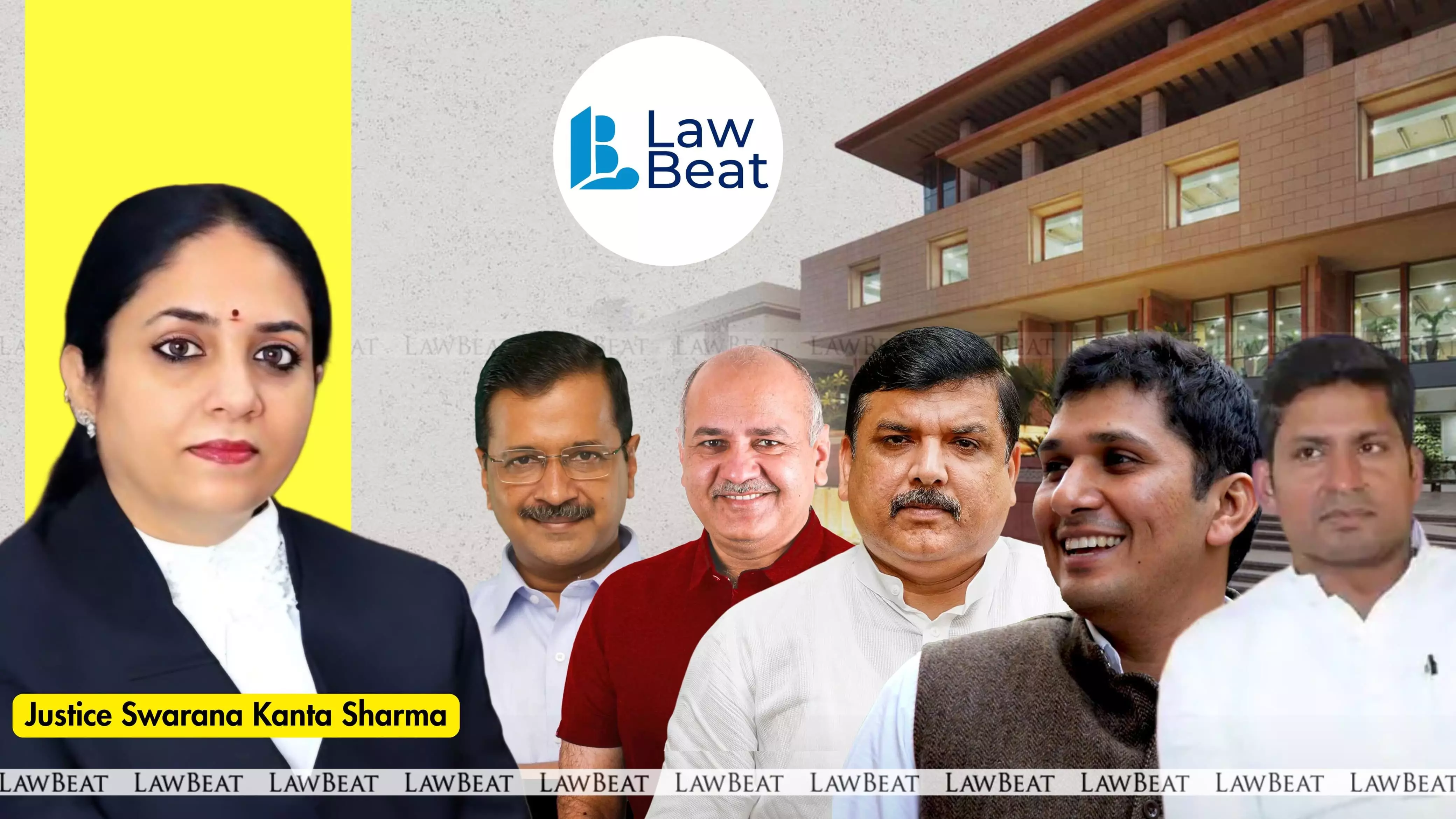
Delhi HC: Kejriwal, AAP Leaders Get Last Chance in Contempt Case
The Delhi High Court in India, on Tuesday, issued a final three-week deadline to Aam Aadmi Party (AAP) leaders Arvind Kejriwal, Manish Sisodia, and Saurabh Bharadwaj, among others, to file their replies in suo motu criminal contempt proceedings initiated against them for alleged social media attacks targeting Justice Swarana Kanta Sharma.
This development underscores the Indian judiciary's firm stance against perceived attempts to undermine its authority or impartiality through public statements, particularly on social media platforms. It highlights the procedural strictness courts maintain in contempt matters, emphasizing that even high-profile political figures are subject to judicial scrutiny for their public conduct. The court's stern warning, "You are taking us for a ride," reflects its frustration with the delay and its resolve to ensure compliance with its directives, reinforcing the principle that judicial orders must be respected and adhered to in a timely manner.
The legal context for these proceedings is the Contempt of Courts Act, 1971, specifically addressing criminal contempt, which includes actions that scandalize or tend to scandalize the court, or interfere with the administration of justice. As a superior court of record, the Delhi High Court possesses inherent powers to initiate suo motu contempt actions to protect its dignity and ensure the proper functioning of the justice system. The court's decision to grant a final opportunity while warning of closing the right to file replies emphasizes the importance of procedural adherence and the consequences of non-compliance, even after previous extensions and the provision of necessary records.
The key parties involved are the Delhi High Court, with Justice Swarana Kanta Sharma being the judge whose impartiality was allegedly attacked, and the Aam Aadmi Party (AAP) leaders Arvind Kejriwal, Manish Sisodia, and Saurabh Bharadwaj, who are the alleged contemnors. The Registry of the High Court also played a role in ensuring that the court records, forming the basis of the contempt proceedings, were supplied to the respondents, addressing their earlier complaints about incomplete documentation.
Legal professionals should advise clients, particularly those in public office or with significant public platforms, on the critical importance of timely compliance with court directives and the potential severe consequences of non-compliance in contempt proceedings. This case serves as a stark reminder that public statements, especially on social media, concerning judicial matters or judges, are subject to intense scrutiny and can lead to serious legal repercussions. Attorneys should emphasize the need for meticulous adherence to procedural timelines and the gravity of contempt actions. The outcome of this matter, specifically the final ruling on contempt, is not yet reported, but the court's current stance indicates a strong resolve to bring the matter to a conclusion.
How does this affect you?
Get an AI analysis of this article grounded in your jurisdictions, practice areas, and any policy documents you've uploaded to Wansom.
Finish Reading the Full Story and the Expert Analysis.
Get the latest legal & regulatory intelligence in India
Wansom is AI and can make mistakes.