
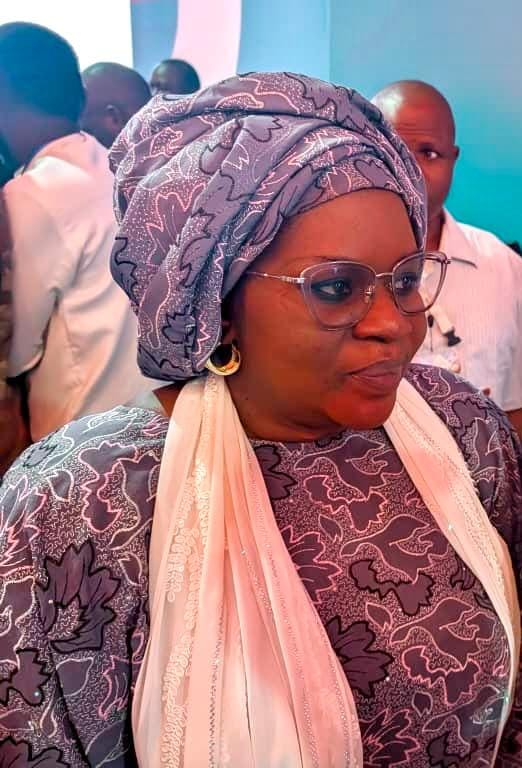
Daba Code Ndiaye Seeks Senegalese Parliament Dissolution
Summary
- Daba Code Ndiaye has called on President Bassirou Diomaye Faye to dissolve the Senegalese National Assembly.
- The move comes amidst a deepening rift between the president and Ousmane Sonko, who was previously aligned with them.
- Ndiaye cited concerns over the separation of powers and the potential for electoral manipulation in his call for dissolution.
- The Kiiraay party has accused the APR of attempting to artificially create majorities.
What Happened
Dissoudre l'Assemblée nationale pour être encore minoritaire !
Daba Code Ndiaye, a senior figure in the Kiiraay party and former leader of the APR at Sicap, has called on President Bassirou Diomaye Faye to dissolve the Senegalese National Assembly. This move comes amidst a deepening rift between the president and Ousmane Sonko, who was previously aligned with them. In a statement published on August 18, 2026, Ndiaye urged the dissolution of the Assembly if its normal functioning became impossible, citing concerns over the separation of powers and the potential for electoral manipulation. The call has sparked controversy, with some arguing that it would not guarantee the president a majority in parliament.
Legal Context
The Senegalese Constitution grants the president the power to dissolve the National Assembly after two years. However, this move is not without risks, as it could lead to a parliamentary election that leaves the president in an even more fragile position. The Kiiraay party has accused the APR of attempting to artificially create majorities, highlighting the need for transparency and accountability in the electoral process. Ndiaye's call for dissolution also raises questions about the balance of power between the executive and legislative branches.
Why It Matters
The potential dissolution of the Senegalese National Assembly has significant implications for presidential powers and parliamentary dynamics. Lawyers and compliance officers should be watching closely, as this development could lead to changes in the balance of power between the executive and legislative branches. The risk of electoral manipulation and the impact on institutional balance also warrant close attention.
Practical Implications
Lawyers and compliance officers should watch for potential changes to Senegalese parliamentary dynamics and the implications of dissolution on presidential powers, as well as the risk of electoral manipulation and the impact on institutional balance.
Source
Source: Original reporting via Le Monde
How does this affect you?
Get an AI analysis of this article grounded in your jurisdictions, practice areas, and any policy documents you've uploaded to Wansom.
Wansom is AI and can make mistakes.