
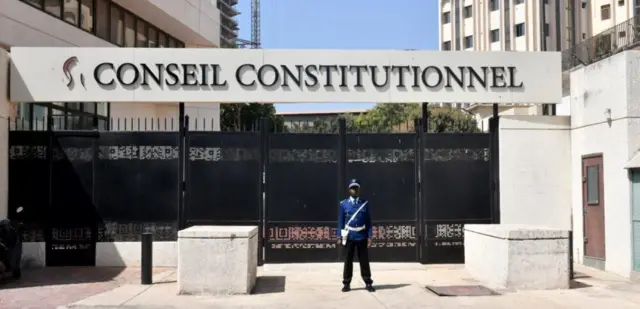
Senegalese Constitutional Council Suspends Special Credits Bill Vote
Summary
- The Senegalese Constitutional Council has suspended the vote on a special credits bill.
- The Government referred the matter to the Constitutional Council, citing unspecified reasons.
- The Constitutional Council now has eight days to review and make a final ruling on the bill.
- The suspension of the bill's vote may impact the timing of legislative changes to the credit regime in Senegal.
- Lawyers, compliance officers, and businesses should closely monitor the Constitutional Council's ruling.
What Happened
The Constitutional Council now has eight days to review and make a final ruling on the bill.
The Senegalese Constitutional Council has suspended the vote on a special credits bill, which was set to be examined in plenary session on Wednesday, August 19, 2026. The decision comes after the Government referred the matter to the Constitutional Council, citing unspecified reasons. According to reports, the Government's move has put the brakes on the legislative process for the credit regime bill, leaving its fate uncertain. The Constitutional Council now has eight days to review and make a final ruling on the bill.
Legal Context
The special credits law in Senegal is a contentious issue that has been debated by lawmakers and stakeholders for some time. The credit regime bill aims to establish a new framework for regulating credits, but its passage has been met with resistance from various groups. The Government's decision to refer the matter to the Constitutional Council suggests that there are significant concerns about the bill's constitutionality or compatibility with existing laws. The Constitutional Council's role is to ensure that legislation aligns with the country's Constitution and does not infringe on individual rights.
Why It Matters
The suspension of the special credits bill vote has significant implications for lawyers, compliance officers, and businesses operating in Senegal. The timing of legislative changes to the credit regime is now uncertain, which may impact financial planning, investment decisions, and regulatory compliance. As the Constitutional Council reviews the bill, stakeholders should closely monitor its ruling, as it may have far-reaching consequences for the country's economic landscape.
Practical Implications
Lawyers and compliance officers should monitor the Constitutional Council's ruling, as it may impact the timing of legislative changes to the credit regime in Senegal.
Source
Source: Original reporting via Le Monde
How does this affect you?
Get an AI analysis of this article grounded in your jurisdictions, practice areas, and any policy documents you've uploaded to Wansom.
Wansom is AI and can make mistakes.