
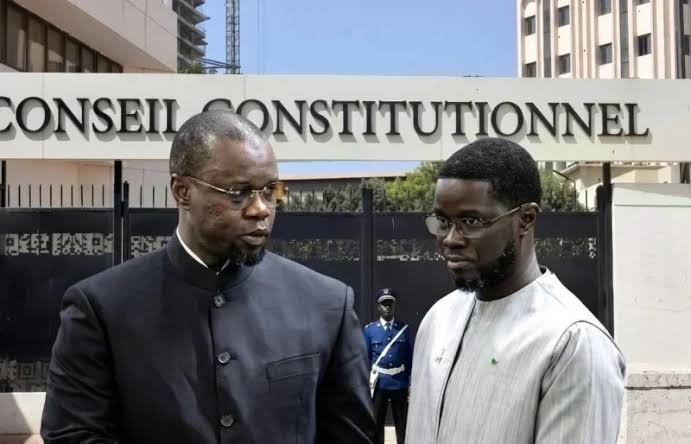
Senegalese Government Challenges Constitutional Review of Special Credits Law
Summary
- The Senegalese government has challenged the constitutional review of a special credits law.
- The proposed law aims to establish a clear regulatory framework for special credits, but the government's challenge may indicate underlying concerns about its impact on the financial sector.
- The outcome of this challenge could set a precedent for future disputes over special credit laws in Senegal and have significant implications for lawyers, compliance officers, and financial institutions.
What Happened
The government's decision to challenge the constitutional review of this law may indicate that there are underlying concerns about the potential impact on the country's financial sector.
The Senegalese government has taken a significant step in challenging the constitutional review of a special credits law. On August 18, 2026, the government submitted a request to the Constitutional Council to dispute the legitimacy of a proposed law regulating the legal framework for special credits. The proposal, which was adopted by the Commission and is set to be discussed in plenary session on Wednesday, has sparked controversy among lawmakers and stakeholders. This move by the government may have far-reaching implications for financial institutions operating in Senegal.
Legal Context
The special credits law in question has been a topic of debate in Senegalese politics for some time. The proposed law aims to establish a clear regulatory framework for special credits, which are often used by financial institutions to provide loans and other financial services to individuals and businesses. However, the government's decision to challenge the constitutional review of this law may indicate that there are underlying concerns about the potential impact on the country's financial sector. The Constitutional Council is responsible for ensuring that laws passed by the National Assembly comply with the Constitution, and its ruling on this matter will be closely watched by lawyers, compliance officers, and financial institutions alike.
Why It Matters
The outcome of this challenge may set a precedent for future disputes over special credit laws in Senegal. If the government's appeal is successful, it could lead to changes in the way financial institutions operate in the country. Conversely, if the Constitutional Council upholds the legitimacy of the proposed law, it may provide clarity and stability for financial institutions seeking to navigate the complex regulatory landscape. Either way, this development is likely to have significant implications for lawyers and compliance officers working in Senegal, who will need to stay abreast of any changes to ensure that their clients' interests are protected.
Practical Implications
Lawyers and compliance officers in Senegal should monitor the development as it may set a precedent for future challenges to special credit laws, potentially impacting financial institutions' operations.
Source
How does this affect you?
Get an AI analysis of this article grounded in your jurisdictions, practice areas, and any policy documents you've uploaded to Wansom.
Wansom is AI and can make mistakes.