
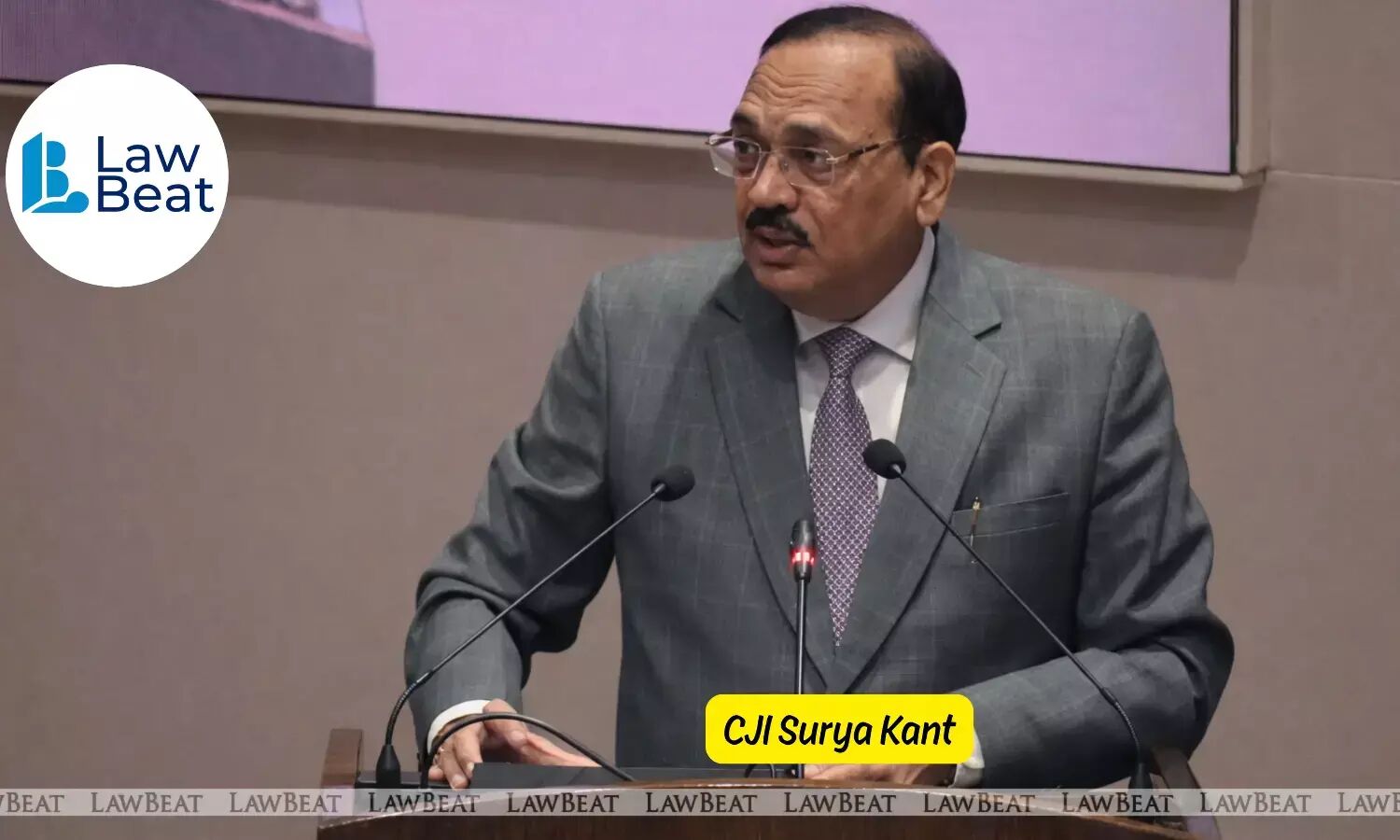
CJI Surya Kant: Electoral Irregularities Require Judicial Path
Summary
- CJI Surya Kant declined a meeting request from Rahul Gandhi and other opposition leaders regarding alleged electoral irregularities.
- The Chief Justice stated that such issues must be addressed through formal judicial proceedings, not via administrative representations to the Supreme Court.
- The opposition sought to submit a memorandum detailing concerns about "vote chori," the Election Commission's functioning, and the Special Intensive Revision (SIR) of electoral rolls.
- CJI Kant emphasized that the Supreme Court's administrative side cannot issue judicial directions or intervene in executive matters.
- This decision came amidst ongoing protests and a planned opposition march to the Supreme Court over electoral integrity.
Chief Justice Rejects Opposition's Administrative Approach
The Chief Justice's directive was clear: any concerns regarding electoral irregularities or the functioning of the ECI must be pursued through formal judicial proceedings.
Chief Justice of India Surya Kant recently declined a request for a meeting from prominent opposition figures, including Leader of Opposition Rahul Gandhi and Congress president Mallikarjun Kharge. The leaders had sought to present a memorandum detailing concerns over alleged electoral irregularities and the operational integrity of the Election Commission of India (ECI). This refusal underscores the Supreme Court's firm stance on the appropriate channels for addressing such grievances.
The proposed meeting, which the Congress leaders had indicated was scheduled for October 12 between 4 pm and 5 pm, aimed to address a range of issues. These included allegations of "vote chori," questions regarding the overall functioning of the ECI, specific concerns about the Special Intensive Revision (SIR) of electoral rolls, and recent police actions against protestors in Delhi. Despite the opposition's intention to convey these points directly, the Chief Justice maintained that the Supreme Court's administrative side is not the suitable forum for such interventions.
Emphasizing the Judicial Process for Electoral Disputes
In his response, Chief Justice Surya Kant clarified that the Supreme Court could not entertain the proposed memorandum or issue directives on these matters through its administrative functions. He explicitly stated that issues of this nature are already sub judice, with related cases pending before the Supreme Court. This position highlights a critical distinction within the judiciary: the administrative side of the Court is distinct from its judicial function, and it cannot be utilized to issue judicial directions or intervene in executive operations.
The Chief Justice's directive was clear: any concerns regarding electoral irregularities or the functioning of the ECI must be pursued through formal judicial proceedings. He advised the opposition leaders that they were free to approach the Court by filing an appropriate petition, which would then be considered in accordance with established legal procedures. This reiterates the principle that challenges to electoral processes in India must follow a prescribed judicial path, ensuring due process and legal scrutiny.
Broader Political Context and Demands for Scrutiny
This development unfolds amidst a period of heightened political tension, marked by ongoing protests in Delhi concerning the Special Intensive Revision (SIR) exercise and other alleged electoral irregularities. The opposition's attempt to engage directly with the Chief Justice came ahead of a planned "Chalo Delhi – March for Democracy," announced by Rahul Gandhi, which intended to culminate in a march to the Supreme Court. This march aimed to amplify the opposition's concerns regarding the integrity of the electoral system.
The memorandum that the opposition leaders intended to submit was expected to articulate several key demands. These included an end to alleged "vote chori," the resignation of Chief Election Commissioner Gyanesh Kumar, the suspension of the SIR exercise, and a return to the use of paper ballots in elections. The opposition has consistently alleged that the current electoral process and the revision of voter lists raise serious questions about the fairness and transparency of elections, thereby necessitating robust judicial scrutiny of the Election Commission of India challenges.
Practical Implications
Lawyers advising political entities or individuals on electoral disputes must note the Supreme Court's clear directive: grievances concerning electoral irregularities or the functioning of the ECI must be pursued through formal judicial petitions and processes, not via administrative representations to the Chief Justice. This reinforces the procedural requirements for challenging electoral outcomes or processes in India.
Source
How does this affect you?
Get an AI analysis of this article grounded in your jurisdictions, practice areas, and any policy documents you've uploaded to Wansom.
Finish Reading the Full Story and the Expert Analysis.
Get the latest legal & regulatory intelligence in India
Wansom is AI and can make mistakes.