
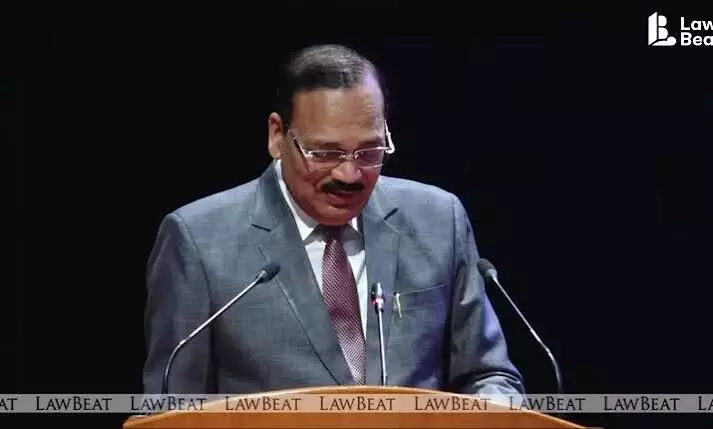
CJI Surya Kant: Don't Rely Solely on AI for Cheating Detection
Summary
- CJI Surya Kant cautioned law schools against using AI-detection software as definitive proof of misconduct at the CLEA conference in Hyderabad.
- He proposed a common core for citation based on neutral citations to improve academic standards.
- The Chief Justice suggested making a minimum period of legal aid work compulsory for all graduating law students.
- These directives aim to enhance academic integrity, standardize legal scholarship, and instill social responsibility in future legal professionals.
Key Directives from CJI Surya Kant
Chief Justice Surya Kant explicitly warned against treating AI-detection software as conclusive evidence of academic misconduct, urging legal institutions to exercise caution.
During the recent CLEA international conference on legal education, held in Hyderabad, Chief Justice of India (CJI) Surya Kant delivered significant remarks that could reshape academic integrity policies and professional obligations within the legal field. His address touched upon critical areas, including the reliability of artificial intelligence in detecting academic dishonesty and the future role of legal aid in professional training.
Chief Justice Kant specifically cautioned legal academic institutions against relying solely on AI-detection software as definitive proof of misconduct. This directive underscores a growing concern regarding the limitations and potential biases of such technologies in disciplinary proceedings. Furthermore, he put forth a proposal for a standardized core approach to citation, advocating for its development based on neutral citation principles, aiming to enhance consistency and accessibility in legal scholarship.
Rethinking AI Detection in Law Schools
The Chief Justice's admonition regarding AI detection software for law schools highlights a crucial debate surrounding technological tools in academic settings. His statement implies that while AI tools might serve as initial indicators, they should not be the sole basis for branding students as cheats, suggesting a need for more comprehensive and human-centric investigative processes in cases of alleged academic dishonesty. This perspective from CJI Surya Kant on AI detection cheating could influence how legal education institutions approach evidentiary standards in disciplinary actions, emphasizing due process and robust corroboration beyond algorithmic outputs.
This caution is particularly pertinent as legal education grapples with integrating technology while upholding fundamental principles of fairness and justice. The Chief Justice's stance encourages a nuanced view, acknowledging the potential for AI to assist but firmly rejecting its use as an infallible arbiter of truth in sensitive matters like academic integrity. It prompts a re-evaluation of policies to ensure that students are not unfairly penalized based on potentially flawed or incomplete technological assessments.
Mandating Legal Aid for Graduates
Beyond academic integrity, CJI Surya Kant also advocated for a transformative change in legal education by proposing that a minimum period of legal aid work be made compulsory for every student to graduate. This suggestion aims to instill a sense of social responsibility and practical experience in future legal professionals from the outset of their careers. The push for compulsory legal aid in India reflects a broader commitment to enhancing access to justice and ensuring that legal expertise serves the wider community.
This initiative, if implemented, would significantly alter the curriculum and practical training requirements for law students, potentially integrating pro bono service as a foundational element of legal professionalism. It underscores the importance of experiential learning and direct engagement with the legal needs of underserved populations, preparing graduates not just for private practice but also for their societal role as advocates for justice.
Implications for Legal Education
The collective pronouncements from the Chief Justice at the CLEA conference in Hyderabad signal a forward-looking vision for legal education in India. His emphasis on a common core for citation built on neutral citations, alongside the critical evaluation of AI detection software, points towards a modernization of academic practices while maintaining rigorous standards of fairness and intellectual honesty. These proposals are designed to equip future legal practitioners with both ethical grounding and practical skills.
Ultimately, the directives from CJI Surya Kant on legal education underscore a dual focus: safeguarding academic integrity through judicious use of technology and fostering a deep-seated commitment to public service through mandatory legal aid. These changes, if adopted, could significantly shape the landscape of legal training, producing graduates who are not only academically proficient but also socially conscious and ethically responsible.
Practical Implications
Lawyers advising educational institutions or involved in academic disciplinary proceedings should note the Chief Justice's caution against relying solely on AI detection software as definitive proof of misconduct, which may influence evidentiary standards. Additionally, the push for compulsory legal aid work signals a potential future requirement for legal professionals, impacting pro bono obligations and access to justice initiatives.
Source
How does this affect you?
Get an AI analysis of this article grounded in your jurisdictions, practice areas, and any policy documents you've uploaded to Wansom.
Finish Reading the Full Story and the Expert Analysis.
Get the latest legal & regulatory intelligence in India
Wansom is AI and can make mistakes.