
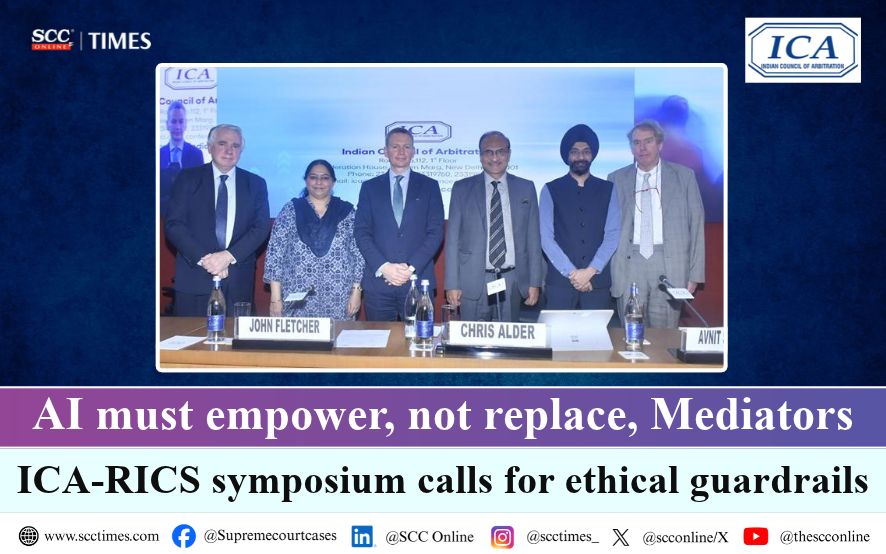
ICA-RICS Symposium: AI Mediation Ethics Needs Robust Guardrails
Summary
- RICS plans a public consultation in early 2027 to establish AI guidance for dispute resolution.
- The organization also launched a Women in Dispute Resolution Scholarship specifically for India.
- An ICA-RICS symposium stressed that AI should empower mediators, not replace them, advocating for strong ethical guardrails.
- Key principles for AI-enabled commercial mediation include human judgment, confidentiality, and institutional trust.
Key Developments in AI and Dispute Resolution
The consensus from the symposium highlighted that artificial intelligence should serve to enhance the capabilities of mediators rather than supplanting their fundamental role.
The Royal Institution of Chartered Surveyors (RICS) has announced significant initiatives concerning the integration of artificial intelligence into dispute resolution processes. A major upcoming event is a public consultation on AI guidance specifically tailored for dispute resolution, anticipated to launch in early 2027. This move signals a proactive approach by RICS to establish clear frameworks and best practices as AI technologies become more prevalent in legal and commercial contexts.
Simultaneously, RICS has also unveiled a new Women in Dispute Resolution Scholarship, specifically designed to support individuals in India. This scholarship aims to foster diversity and inclusion within the field, recognizing the importance of varied perspectives in shaping the future of dispute resolution, especially as new technologies like AI emerge. These announcements underscore a dual focus on technological advancement and human capital development within the sector.
Ethical Frameworks for AI in Mediation
A recent ICA-RICS symposium extensively discussed the ethical implications of AI in mediation, emphasizing the critical need for robust ethical guardrails. The consensus from the symposium highlighted that artificial intelligence should serve to enhance the capabilities of mediators rather than supplanting their fundamental role. This perspective is crucial for maintaining the integrity and effectiveness of dispute resolution processes.
Discussions at the symposium underscored several core principles that must underpin the application of AI in commercial mediation. These include the preservation of human judgment, ensuring strict confidentiality of sensitive information, and upholding institutional trust. These elements are considered non-negotiable foundations for any AI-enabled system, ensuring that technological advancements do not compromise the essential human-centric nature of mediation. The call for ethical guardrails AI mediation reflects a growing awareness of the complex challenges and opportunities presented by these new tools, a topic frequently explored in legal discourse, including platforms like the SCC Online Blog AI mediation.
Future Outlook and Practical Implications
The forthcoming RICS public consultation on AI guidance for dispute resolution in early 2027 represents a pivotal moment for stakeholders across the legal and commercial sectors. This consultation will provide an opportunity for professionals to contribute to the development of standards that will govern the use of AI in mediation, particularly within the Indian context where the Women in Dispute Resolution Scholarship India also aims to cultivate future leaders. The outcomes of this consultation will likely shape future regulatory and operational guidelines for AI in commercial mediation India.
Legal practitioners and compliance officers should closely monitor these developments to understand the evolving landscape of AI integration. Preparing for these changes will be essential for ensuring compliance and effectively advising clients on the ethical and practical considerations of AI-enabled dispute resolution. The emphasis on human judgment, confidentiality, and trust, as articulated by the ICA-RICS symposium AI mediation ethics discussions, will undoubtedly form the bedrock of these future guidelines, ensuring that technology serves justice responsibly.
Practical Implications
Lawyers and compliance officers should monitor the upcoming RICS public consultation on AI guidance for dispute resolution in early 2027 to understand and prepare for evolving ethical and practical frameworks concerning AI integration in mediation, particularly within the Indian context, to ensure compliance and advise clients effectively.
Source
Source: Original reporting via SCC Times
How does this affect you?
Get an AI analysis of this article grounded in your jurisdictions, practice areas, and any policy documents you've uploaded to Wansom.
Finish Reading the Full Story and the Expert Analysis.
Get the latest legal & regulatory intelligence in India
Wansom is AI and can make mistakes.