
Élections Territoriales Sénégal: Société Civile Presses on Délais
Summary
- Senegalese civil society organizations are urging authorities to accelerate preparations for upcoming territorial elections.
- The mandates of current departmental and municipal councilors expire on January 22, 2027, leaving less than five months for crucial electoral operations.
- Key demands include a detailed electoral calendar, public clarification of voter list revisions, and candidate requirements.
- The groups emphasize that delays could compromise the legal security, transparency, and credibility of the vote.
- Babacar Ba of the Forum du justiciable highlighted that a predictable calendar is essential for public trust and the rule of law.
Civil Society's Urgent Call
Ensuring the predictability of the electoral calendar is presented as a prerequisite for fostering public trust, a sentiment echoed by Babacar Ba, who stated that adherence to legal deadlines is an imperative for the rule of law.
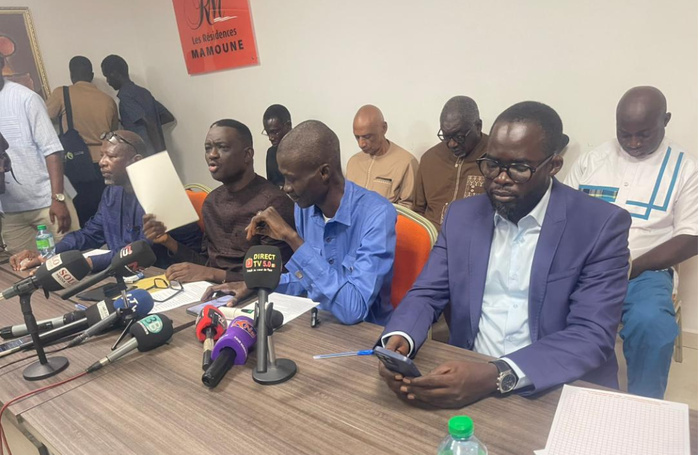
Civil society organizations in Senegal are intensifying pressure on national authorities to ensure the timely and transparent preparation of upcoming territorial elections. A coalition of groups, including the Forum du justiciable led by Babacar Ba, convened in Dakar on Wednesday, September 2, 2026, alongside figures such as Moundiaye Cissé and Ndiaga Sylla, to voice their concerns. Their primary objective is to accelerate the electoral process and guarantee its clarity for all stakeholders.
The urgency stems from the rapidly approaching expiration of the mandates for current departmental and municipal councilors. These officials, who were elected on January 23, 2022, are scheduled to conclude their terms on January 22, 2027. With less than five months remaining until this deadline, the civil society groups highlight a critical need for immediate action to avoid potential complications arising from insufficient preparation time. They emphasize that their intervention is not intended to challenge the electoral process itself, but rather to proactively prevent difficulties that could emerge from overly condensed timelines.
Unresolved Electoral Preparations
A number of crucial electoral operations have yet to be initiated or fully clarified by the authorities, according to the civil society organizations. These include the essential process of revising voter lists, the formal convocation of the electoral body, the determination of the financial caution required for candidacies, and the procedures for the deposit and verification of candidate applications. Furthermore, the material organization of the vote itself remains an area requiring significant attention and public explanation.
The groups contend that any delay in these foundational steps could have cascading negative effects on subsequent stages of the electoral cycle. Such setbacks, they warn, risk undermining the legal security, overall transparency, and ultimately the credibility of the entire electoral process in Senegal. To mitigate these risks, they are advocating for the swift commencement of discussions involving political parties, civil society representatives, and other relevant stakeholders. Their demands also encompass the prompt announcement and publication of the election date, along with a comprehensive electoral calendar for Sénégal élections territoriales. They specifically request that the rules governing voter list revisions and the requirements for candidate caution and candidacies be publicly detailed to ensure equitable access to information among all political actors.
Implications for Democratic Process
The call from civil society underscores a fundamental concern for the integrity of the democratic framework in Senegal. Ensuring the predictability of the electoral calendar is presented as a prerequisite for fostering public trust, a sentiment echoed by Babacar Ba, who stated that adherence to legal deadlines is an imperative for the rule of law. Without clear guidance on the calendrier électoral Sénégal 2027, political parties and candidates face significant challenges in planning their campaigns and ensuring compliance with evolving regulations.
The absence of transparency regarding key aspects like the révision listes électorales Sénégal and the specifics of caution candidatures élections Sénégal can create an uneven playing field and lead to disputes. Civil society's proactive stance, as articulated by Babacar Ba from the Forum du justiciable, aims to provide much-needed visibility to citizens, political parties, and other actors, thereby reinforcing the sécurité juridique élections Sénégal and promoting a truly transparent scrutin Sénégal. Their efforts highlight the critical role of civil society in advocating for robust electoral governance and accountability.
Practical Implications
Lawyers advising political parties or candidates in Senegal should closely monitor the government's response to civil society's demands for a clear electoral calendar and transparent process. Delays in publishing key dates and rules for list revisions or candidate requirements could lead to legal challenges, impact campaign strategies, and create compliance risks for political actors.
Source
How does this affect you?
Get an AI analysis of this article grounded in your jurisdictions, practice areas, and any policy documents you've uploaded to Wansom.
Finish Reading the Full Story and the Expert Analysis.
Wansom is AI and can make mistakes.