
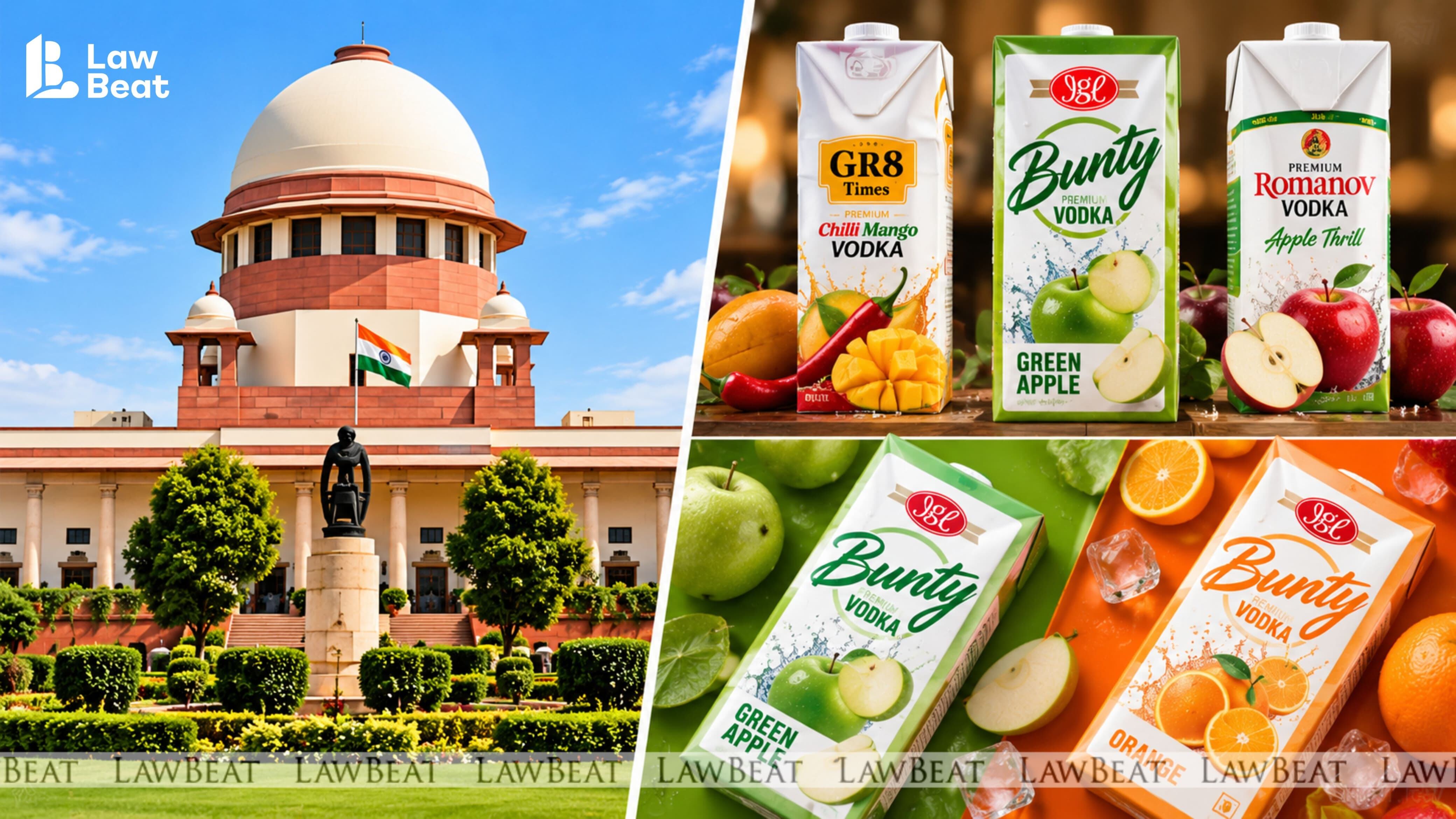
Supreme Court: Union of India Must Reply on Chilli Mango Vodka Packaging
Summary
- The Supreme Court has requested a response from the Union of India regarding a petition against fruit-themed alcohol packaging that allegedly appeals to minors.
- Community Against Drunken Driving (CADD) filed the plea, citing examples like 'chilli mango vodka' where fruit imagery is prominent and alcohol content is inconspicuous.
- The petitioner argued for the need to protect minors from alcohol exposure and highlighted the absence of statutory warnings on alcoholic beverages, unlike tobacco products.
- The court has given the Union and other respondents four weeks to file counter-affidavits, with the petitioner allowed two weeks for a rejoinder.
- This case could lead to new regulations or stricter enforcement of existing rules concerning alcohol packaging and marketing in India.
Supreme Court Addresses Alcohol Packaging Concerns
Lawyers advising alcoholic beverage manufacturers and marketers in India should closely monitor this Supreme Court case, as its outcome could lead to new regulations or stricter enforcement regarding product packaging, particularly concerning imagery that may appeal to minors or obscure alcohol content.
The Supreme Court of India has recently mandated the Union of India to submit a response within four weeks regarding a petition that raises serious concerns about the marketing of alcoholic beverages. This directive stems from a plea filed by Community Against Drunken Driving (CADD), which alleges that alcohol products are being sold in packaging predominantly featuring fruit imagery, making them particularly appealing to young individuals and minors. The petition specifically highlights that the actual alcoholic content is often barely discernible on these packages.
The three-judge bench, comprising Justices Vikram Nath, R. Mahadevan, and Aparesh Kumar Singh, issued this order after hearing arguments from Advocate Vipin Nair, representing the petitioner. Nair presented an example of a product labeled "chilli mango vodka," where the fruit imagery was prominently displayed, while the word 'vodka' appeared inconspicuously. He argued that this type of packaging is widespread and effectively disguises the alcoholic nature of the product, especially for younger consumers, thereby necessitating judicial intervention to protect minors from exposure to such marketing tactics.
In addition to directing the Union of India, the Supreme Court also instructed other respondents in the case to file their counter-affidavits within the same four-week period. The petitioner will then have two weeks to submit a rejoinder. Furthermore, the bench noted that several States had not yet appeared in the proceedings and ordered that notices be served to them through their respective Standing Counsels, expressing concern over the delays in service.
Legal and Regulatory Landscape for Alcohol Marketing
A central point of contention in this case revolves around the existing regulatory framework for alcohol marketing in India. Advocate Nair underscored the absence of statutory warnings on alcoholic beverages, drawing a stark contrast with the mandatory warnings found on tobacco products. He emphasized the critical need for a national-level approach to age verification, suggesting that an Additional Solicitor General should represent the Union given the gravity of the issue and the necessity for a standardized policy across the country.
While the bench acknowledged that alcohol falls under the purview of State subjects, Nair countered that the Union of India remains a crucial respondent in the matter, asserting that a coordinated strategy between the Union and the States is indispensable for effective regulation. This argument highlights the complex interplay between central and state authorities in governing alcohol sales and marketing practices. The court's examination of the status of service and counter-affidavits on record further underscores the procedural complexities involved in addressing such a multi-jurisdictional issue.
This current case is not an isolated incident. In May, the Supreme Court had previously issued notice on another petition, also moved by Community Against Drunken Driving, which sought a ban on the sale of alcohol in "inconspicuous packages" like tetra packs and sachets. Chief Justice Kant, at that time, had remarked on the deceptive nature of such packaging. However, in April 2025, a bench led by CJI Surya Kant had rejected a Public Interest Litigation challenging the availability of wine in tetra packs in Uttar Pradesh, indicating a nuanced judicial approach to different aspects of alcohol packaging.
Implications for Manufacturers and Public Health
The ongoing Supreme Court proceedings regarding "Chilli Mango Vodka" Supreme Court packaging and similar fruit-themed alcohol packaging carry significant implications for alcoholic beverage manufacturers and marketers operating in India. The court's decision to seek a reply from the Union of India signals a serious judicial review of current marketing practices, particularly those that may inadvertently or intentionally appeal to minors or obscure the alcoholic nature of products. This scrutiny could lead to more stringent India alcohol marketing regulations.
Should the court rule in favor of the petitioner, it could pave the way for new regulations or stricter enforcement of existing rules concerning product labeling, advertising, and the overall presentation of alcoholic beverages. The focus on protecting minors from alcohol exposure, coupled with the demand for clearer disclosure of alcoholic content, suggests that manufacturers might need to reassess their packaging designs and marketing strategies to ensure full compliance and avoid potential legal challenges. The outcome of this case could set a precedent for a broader fruit-themed alcohol packaging ban or at least significant restrictions on such designs.
Lawyers advising alcoholic beverage manufacturers and marketers in India should closely monitor this Supreme Court case, as its outcome could lead to new regulations or stricter enforcement regarding product packaging, particularly concerning imagery that may appeal to minors or obscure alcohol content. Compliance officers need to assess current marketing strategies for potential risks and prepare for possible changes in labeling and advertising guidelines. The Union of India alcohol packaging reply will be a critical document in shaping the future regulatory landscape.
Practical Implications
Lawyers advising alcoholic beverage manufacturers and marketers in India should closely monitor this Supreme Court case, as its outcome could lead to new regulations or stricter enforcement regarding product packaging, particularly concerning imagery that may appeal to minors or obscure alcohol content. Compliance officers need to assess current marketing strategies for potential risks and prepare for possible changes in labeling and advertising guidelines.
Source
How does this affect you?
Get an AI analysis of this article grounded in your jurisdictions, practice areas, and any policy documents you've uploaded to Wansom.
Finish Reading the Full Story and the Expert Analysis.
Get the latest legal & regulatory intelligence in India
Wansom is AI and can make mistakes.