
Chhattisgarh High Court: Stepmother Maintenance From Stepsons Under BNSS Affirmed
Summary
- The Chhattisgarh High Court ruled that a childless widowed stepmother can claim maintenance from her stepsons under Section 144 BNSS.
- This decision overturned a Family Court order that had rejected the claim, citing the relationship between the parties.
- The High Court directed three stepsons to pay their 77-year-old stepmother ₹3,000 each per month, totaling ₹9,000, starting September 2026.
- The ruling relied on a Supreme Court precedent (*Kirtikant D. Vadodaria*) which established that a childless stepmother can seek maintenance from her stepson if widowed or if her husband is incapacitated.
- This judgment clarifies and strengthens the maintenance rights of childless widowed stepmothers from stepsons in India.
Chhattisgarh HC Upholds Stepmother's Maintenance Rights
The High Court further clarified that the relationship between a stepmother and stepson does not, by itself, serve as a barrier to claiming maintenance under the benevolent provisions of the law.
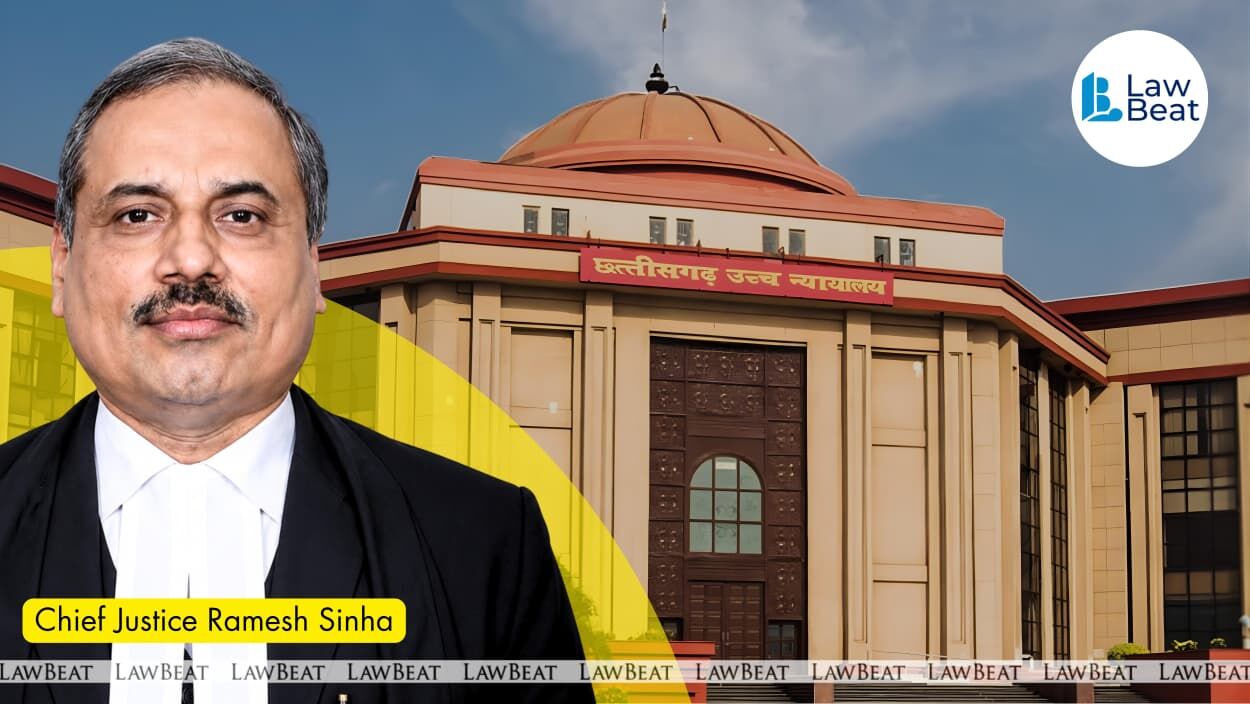
The Chhattisgarh High Court recently issued a significant ruling, affirming the right of a childless widowed stepmother to claim maintenance from her stepsons under Section 144 of the Bharatiya Nagarik Suraksha Sanhita (BNSS), 2023. This decision overturned a prior order from the Family Court in Bilaspur, which had rejected the claim solely on the basis of the familial relationship. The High Court, presided over by Chief Justice Ramesh Sinha, allowed the criminal revision filed by the 77-year-old applicant, directing her three stepsons to collectively pay ₹9,000 per month, with each contributing ₹3,000, commencing from September 2026.
The applicant, identified as the legally wedded wife of the late Purushottam Soni, had initially sought ₹20,000 monthly maintenance from her stepsons. She informed the Family Court that she had raised them from birth and provided for them until they reached adulthood, and that they had cared for her during her husband's lifetime. However, following her husband's death in 2021, she claimed to have been neglected and deserted by them. With no independent source of income, she was residing with her widowed daughter and relied on her for basic necessities. Furthermore, she alleged that her stepsons were in possession of and profiting from agricultural properties belonging to her and her deceased husband, yet failed to provide her with any support. The stepsons did not contest the claim before the Family Court, leading to an ex parte proceeding.
Legal Context and Precedent for Stepmother Maintenance
The legal framework for this case rests on Section 144 BNSS, which is the successor to Section 125 of the Code of Criminal Procedure (CrPC). These provisions are designed to prevent destitution by compelling individuals to maintain certain dependents. The Family Court, Bilaspur, had dismissed the stepmother's application on April 5, 2025, concluding that stepsons could not be held liable for maintenance under this specific section.
However, the High Court's decision was heavily influenced by established Supreme Court jurisprudence. Crucially, the applicant's counsel cited the landmark judgment in *Kirtikant D. Vadodaria v. State of Gujarat and Another*. This Supreme Court ruling explicitly held that a childless stepmother is entitled to claim maintenance from her stepson if she is a widow or if her husband, though living, is unable to support her. The Chhattisgarh High Court also referenced its own prior judgment in *Deenbandhu and Another v. Smt. Birajho Bai*, which had similarly upheld the right of a childless stepmother, living alone and unable to maintain herself, to seek financial support from her stepsons.
Court's Affirmation of Maintenance Rights
In its detailed reasoning, the Chhattisgarh High Court concurred with the applicant's argument, emphasizing that the mere fact of the respondents being stepsons should not automatically negate a legitimate maintenance claim. The court reiterated the principle derived from the *Kirtikant* Supreme Court ruling, affirming that a childless stepmother can indeed claim maintenance from her stepson, particularly when she is widowed or her husband is incapacitated.
The High Court further clarified that the relationship between a stepmother and stepson does not, by itself, serve as a barrier to claiming maintenance under the benevolent provisions of the law. Applying these well-established legal principles directly to the present case, the court found that the applicant, an aged, childless widow without an independent source of income, who claimed neglect following her husband's demise, squarely met the criteria for receiving support. This ruling underscores the judiciary's commitment to ensuring financial security for vulnerable individuals within complex family structures in India.
Broader Implications for Family Law in India
This judgment from the Chhattisgarh High Court carries significant implications for the interpretation and application of Section 144 BNSS (and its predecessor, Section 125 CrPC) regarding maintenance rights in India. It unequivocally reinforces that childless widowed stepmothers can seek and obtain maintenance from their stepsons, even when a lower court has previously denied such a claim based on the nature of the relationship. The ruling solidifies the legal precedent that the bond of a step-relationship does not automatically exempt stepsons from the obligation to support a needy stepmother.
For legal professionals advising on family law in India, this precedent is crucial. It expands the scope of potential maintenance claims and liabilities, requiring careful consideration when representing either claimants or respondents in such cases. The decision ensures that vulnerable individuals, like the 77-year-old applicant, who have no independent means of support and have been neglected, can secure financial assistance, thereby upholding the protective intent of the maintenance laws. This ruling provides clarity and strengthens the maintenance rights of childless widowed stepmothers from stepsons under the Bharatiya Nagarik Suraksha Sanhita.
Practical Implications
This ruling clarifies the interpretation of Section 144 BNSS (formerly Section 125 CrPC), confirming that childless widowed stepmothers can claim maintenance from stepsons. Lawyers advising on family law in India should note this precedent, as it expands the scope of potential maintenance claims and liabilities, requiring careful consideration when representing either claimants or respondents in such cases.
Source
How does this affect you?
Get an AI analysis of this article grounded in your jurisdictions, practice areas, and any policy documents you've uploaded to Wansom.
Wansom is AI and can make mistakes.