
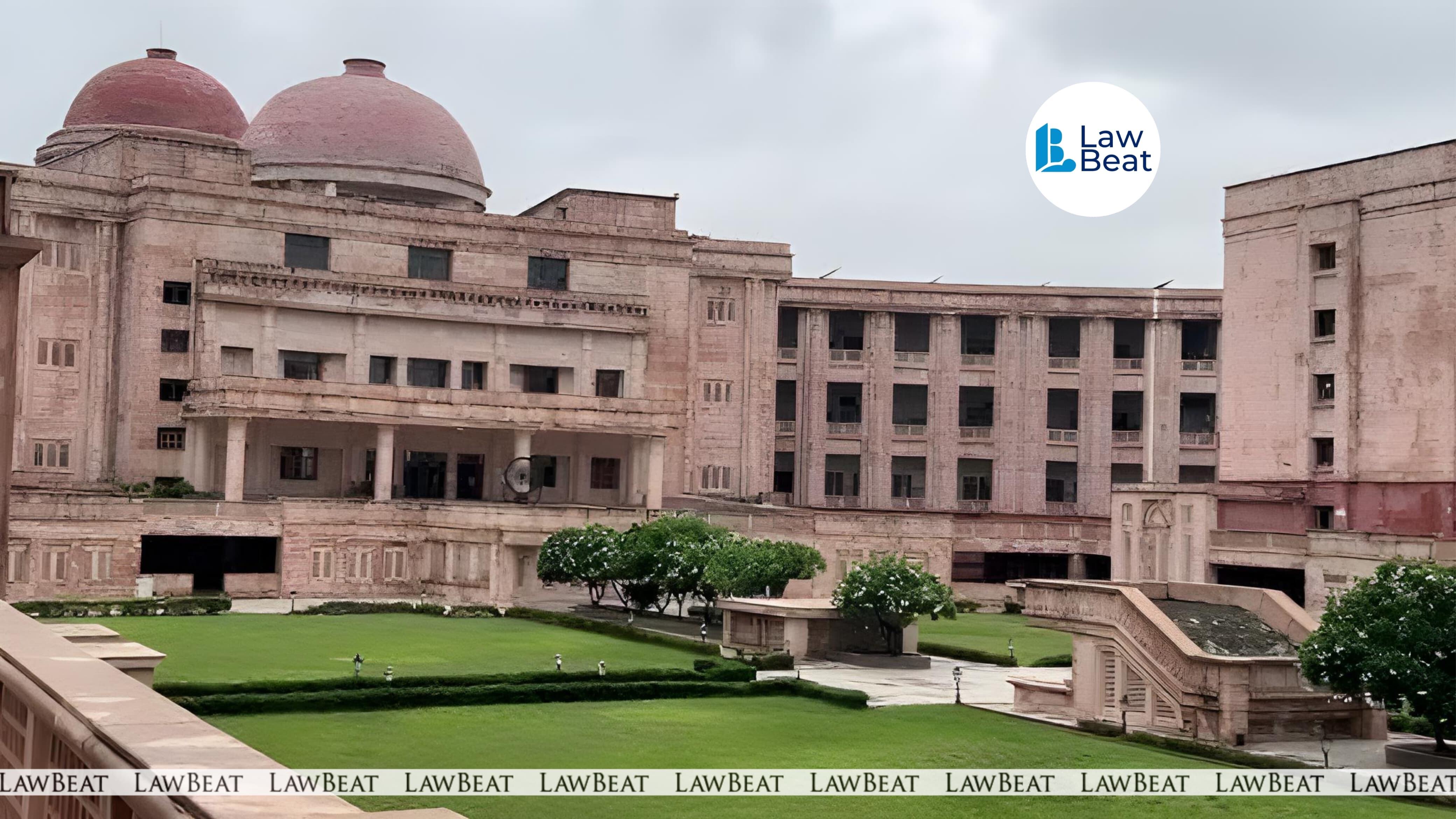
Allahabad HC: Hathras Family Ghaziabad Noida Relocation Mandated in 3 Months
Summary
- The Allahabad High Court has directed the Uttar Pradesh government to relocate the Hathras victim's family to Ghaziabad or Noida within three months.
- This order overturns a State decision that had limited the family's rehabilitation options to Aligarh, Kasganj, or Etah.
- The court criticized the State for failing to properly consider the family's request and for showing "unnecessary resistance" to judicial directives.
- Justices Rajan Roy and Jaspreet Singh issued the order in a suo motu public interest litigation concerning the family's rights.
- The ruling also mandates a job for one family member after relocation and requires the Additional Chief Secretary (Home) to ensure compliance.
What Happened
The court further observed that the State's actions were 'virtually' in contempt of its earlier orders and demonstrated 'unnecessary resistance' to the judicial directives, lending credence to the family's assertion that the government was treating the proceedings as adversarial litigation and was 'adamant not to grant statutory benefits.'
The Allahabad High Court has issued a definitive order directing the Uttar Pradesh government to relocate the family of the Hathras victim to either Ghaziabad or Noida within a strict three-month timeframe. This ruling effectively overturns a prior State decision that had restricted the family's rehabilitation options to the districts of Aligarh, Kasganj, or Etah. For nearly six years, the Hathras family has been embroiled in a protracted dispute concerning their permanent rehabilitation location.
A bench comprising Justices Rajan Roy and Jaspreet Singh delivered this significant directive as part of a suo motu public interest litigation (PIL) initiated by the court itself. This PIL specifically addresses the fundamental rights of the victim's family, encompassing their right to rehabilitation and the dignified performance of the victim's last rites. The court's intervention underscores a commitment to ensuring the family's well-being and upholding judicial orders in sensitive cases.
Judicial Scrutiny and State Resistance
The High Court expressed strong disapproval of the State's conduct, finding that it had failed to adequately consider the family's repeated requests for relocation to Ghaziabad or Noida, despite explicit prior judicial instructions. The journey to this latest order began with the court's initial directive for the family's rehabilitation and relocation on July 26, 2022. Subsequently, the State proposed Aligarh, Etah, and Kasganj as potential districts. While the family initially sought relocation to Delhi, they later indicated their acceptance of Ghaziabad or Noida, citing the presence of other family members in these areas.
On November 14, 2024, the High Court specifically instructed the family to submit a formal application for relocation to Ghaziabad or Noida, which they did on December 2, 2024. However, the State's subsequent decision, issued on February 22, 2025, once again presented only Kasganj, Etah, or Aligarh as options, completely omitting any mention of Ghaziabad or Noida. The bench sharply criticized this decision, stating that it lacked "due and proper application of mind" and that "no prudent person, much less a Judge," could deem it a considered response. The court further observed that the State's actions were "virtually" in contempt of its earlier orders and demonstrated "unnecessary resistance" to the judicial directives, lending credence to the family's assertion that the government was treating the proceedings as adversarial litigation and was "adamant not to grant statutory benefits."
Mandated Rehabilitation and Accountability
In light of these findings, the Allahabad High Court unequivocally set aside the State's February 22, 2025 decision. The court mandated the Uttar Pradesh government to ensure the rehabilitation and relocation of the Hathras family to either Ghaziabad or Noida "positively within three months" from the date of the order. This explicit deadline underscores the court's determination to see its directives fulfilled without further delay.
Beyond the relocation, the court reiterated its earlier instruction from July 26, 2022, and the State's own undertaking, requiring that one member of the family be provided with a job once the rehabilitation process is complete. To ensure strict compliance with this Hathras victim rehabilitation order, the Additional Chief Secretary (Home) of Uttar Pradesh has been directed to file a compliance affidavit. The court also stipulated that in the event of non-compliance, the said officer would be required to appear personally before the High Court on the subsequent hearing date, signaling a clear intent to hold high-ranking officials accountable.
Why It Matters
This ruling by Justices Rajan Roy and Jaspreet Singh in the Hathras case provides a strong precedent for lawyers representing victims seeking state-mandated rehabilitation across India. It powerfully demonstrates the Allahabad HC's willingness to enforce its orders strictly and hold state authorities, including the UP government, accountable for non-compliance and what it termed "unnecessary resistance." The court's detailed critique of the State's repeated failure to properly consider the family's relocation preferences, particularly for Ghaziabad or Noida, highlights a judicial expectation for state agencies to apply due diligence and proper consideration when responding to court directives.
This is especially crucial in sensitive cases involving fundamental rights and victim support, where the court's suo motu PIL for victim rights India underscores the judiciary's role in protecting vulnerable individuals and ensuring the Hathras case family relocation deadline is met.
Practical Implications
This ruling provides a strong precedent for lawyers representing victims seeking state-mandated rehabilitation, demonstrating the High Court's willingness to enforce its orders strictly and hold state authorities accountable for non-compliance and 'unnecessary resistance.' It highlights the judicial expectation for state agencies to apply due diligence and proper consideration when responding to court directives, particularly in sensitive cases involving fundamental rights and victim support.
Source
How does this affect you?
Get an AI analysis of this article grounded in your jurisdictions, practice areas, and any policy documents you've uploaded to Wansom.
Wansom is AI and can make mistakes.