
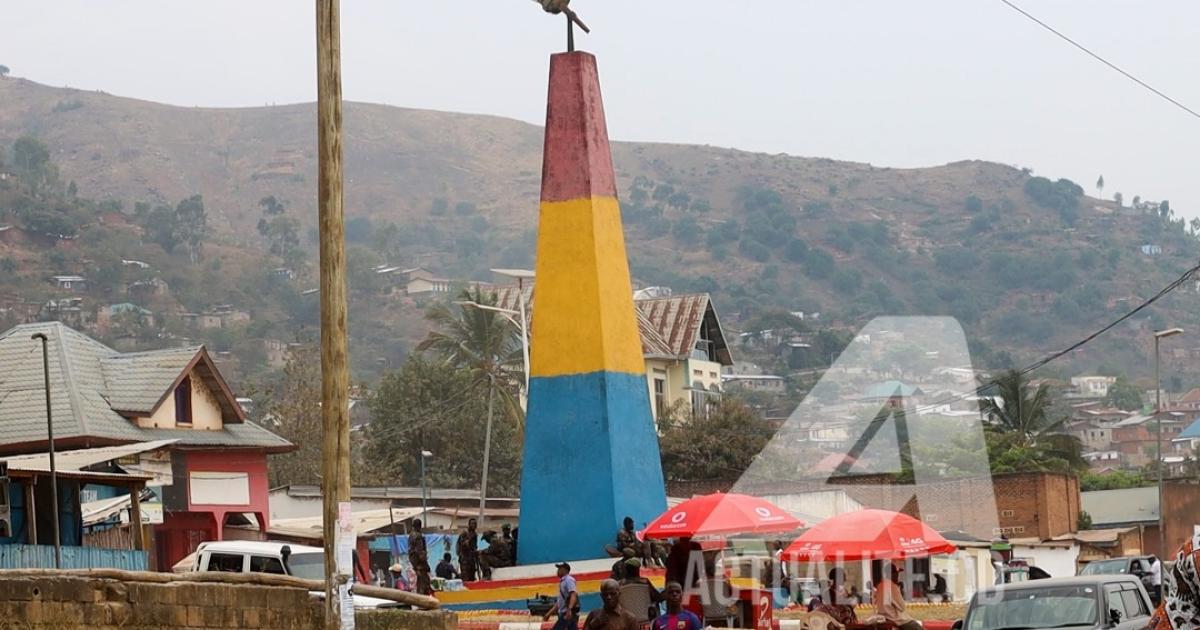
CD Sud-Kivu Society Leaders Arrested for Demanding Katanga Border Barrier Removal
Summary
- Six key figures from Baraka's civil society were arrested on August 15, 2026, after demanding border barrier removals between Katanga and Sud-Kivu.
- The detainees were transferred to Uvira, sparking concerns about government treatment of civil society groups in the Democratic Republic of Congo.
- Local residents and human rights organizations have condemned the arrests, fearing a crackdown on dissenting voices could set a precedent for future government actions.
What Happened
The arrests have been met with widespread condemnation from local residents and human rights organizations. Many have expressed fears that this crackdown on civil society could set a precedent for future government actions against dissenting voices.
Six key figures from the civil society in Baraka, including its president, Mr. Baraka, were arrested by security forces on August 15, 2026. The arrests occurred after the group demanded the removal of border barriers between Katanga and Sud-Kivu. The detainees were subsequently transferred to Uvira, a city located in Sud-Kivu province. This development has sparked concerns about the government's treatment of civil society groups in the Democratic Republic of Congo.
The arrests have been met with widespread condemnation from local residents and human rights organizations. Many have expressed fears that this crackdown on civil society could set a precedent for future government actions against dissenting voices.
Legal Context
The Democratic Republic of Congo has a complex legal framework governing freedom of association and assembly. While the country's constitution guarantees these rights, there have been numerous instances where authorities have restricted or suppressed civil society activities. The government has often cited national security concerns as justification for such actions.
In recent years, there has been an uptick in crackdowns on civil society groups, with many leaders facing arrest and detention on charges related to 'endangering state security' or 'inciting public unrest'. This trend raises questions about the government's commitment to upholding democratic principles and protecting the rights of its citizens.
Why It Matters
The arrests in Baraka have significant implications for civil society groups across the Democratic Republic of Congo. If the government is allowed to suppress dissenting voices without consequence, it could set a dangerous precedent for future crackdowns on freedom of association and assembly.
Lawyers and human rights organizations are closely watching this development, as it may signal a shift in the government's approach to civil society. The potential consequences for democracy and human rights in the region are far-reaching, making it essential to monitor this situation closely.
Practical Implications
Lawyers should watch for potential implications on freedom of association and assembly in the Democratic Republic of Congo, as this development may set a precedent for government treatment of civil society groups.
Source
How does this affect you?
Get an AI analysis of this article grounded in your jurisdictions, practice areas, and any policy documents you've uploaded to Wansom.
Wansom is AI and can make mistakes.