
CD Ministry: E-Learning in 18 High-Risk Ebola Zones from 2026-27
Summary
- The Congolese government plans to introduce e-learning in 18 high-risk Ebola zones starting from the 2026-2027 academic year.
- E-learning content will be distributed every four weeks through local and community radios, as well as print materials.
- The initiative aims to ensure continuity of learning while minimizing the risk of Ebola transmission in schools.
- The Education Ministry and Health Ministry are working together to implement these measures.
What Happened
The initiative involves preparing and distributing educational content every four weeks through local and community radios, as well as print materials.
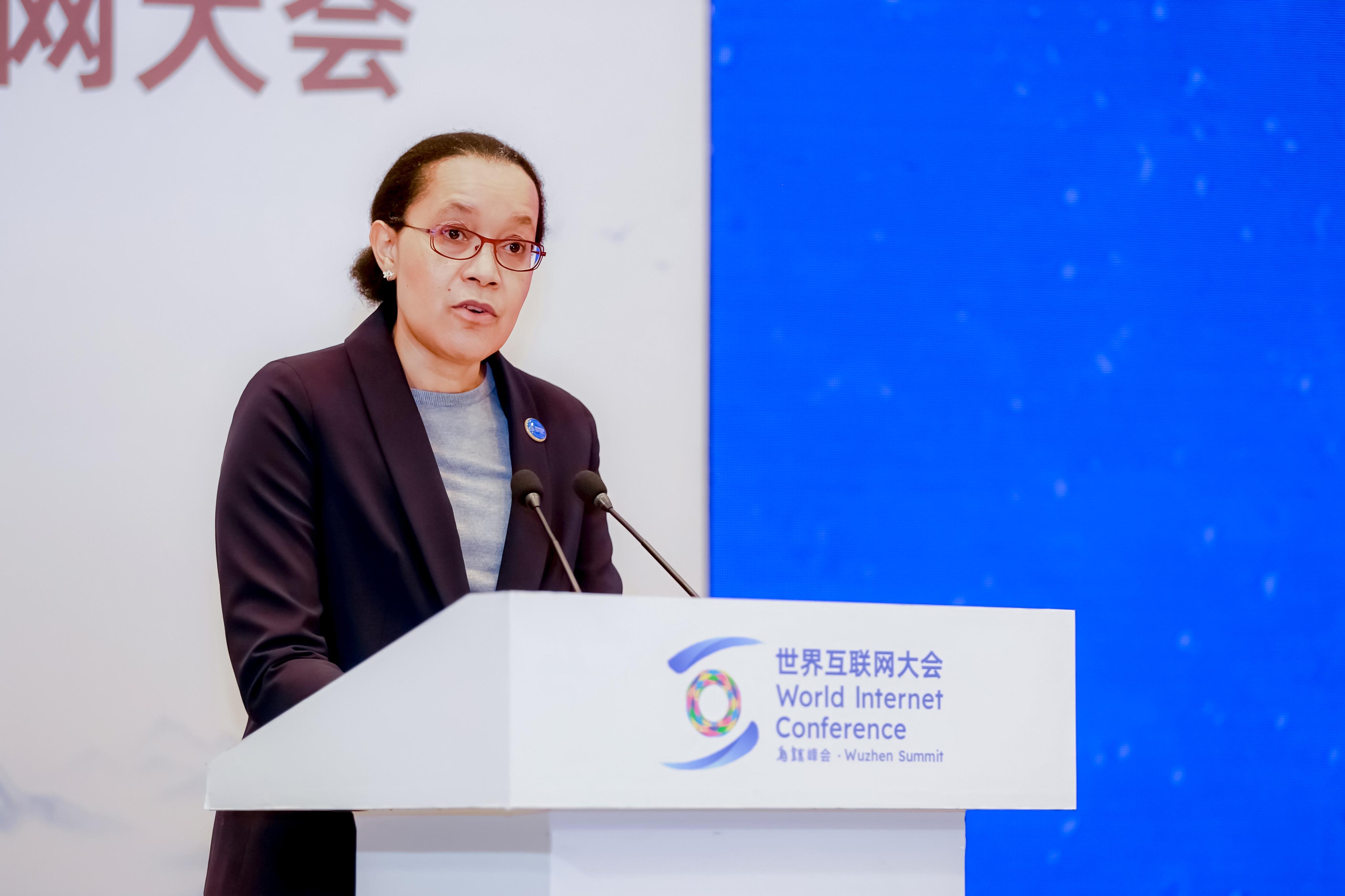
The Congolese government has announced plans to implement e-learning in 18 high-risk Ebola zones starting from the 2026-2027 academic year. According to Education Minister Raïssa Malu, this measure aims to ensure continuity of learning while minimizing the risk of Ebola transmission in schools.
The initiative involves preparing and distributing educational content every four weeks through local and community radios, as well as print materials. This approach is designed to enable students to continue their education and maintain their academic progress even when conditions are not conducive to normal school operations.
The Education Ministry and Health Ministry are working together to implement these measures, which include raising awareness among teachers, school administrators, and communities about the importance of preventing Ebola transmission in schools.
Legal/Regulatory Context
The Congolese government's decision to introduce e-learning in high-risk Ebola zones highlights the need for schools to adapt to public health emergencies. This move is likely to have significant implications for school operations, student attendance, and staff training in affected areas.
As the government continues to monitor the situation and implement measures to prevent Ebola transmission, it is essential for lawyers and compliance officers to stay informed about any updates on government policies and regulations related to education during public health emergencies.
The Congolese Ministry of Education's response to the Ebola outbreak demonstrates its commitment to ensuring continuity of learning despite challenging circumstances.
Why It Matters
The introduction of e-learning in high-risk Ebola zones is a critical step towards maintaining access to education while minimizing the risk of Ebola transmission. This initiative has far-reaching implications for schools, students, and communities affected by the outbreak.
By prioritizing education continuity and public health measures, the Congolese government is setting an important precedent for other countries facing similar challenges. The success of this initiative will depend on effective coordination between the Education Ministry, Health Ministry, and local authorities.
Practical Implications
Lawyers and compliance officers should watch for the potential impact on school operations, student attendance, and staff training in high-risk Ebola zones, as well as any updates on government policies and regulations related to education during public health emergencies.
Source
How does this affect you?
Get an AI analysis of this article grounded in your jurisdictions, practice areas, and any policy documents you've uploaded to Wansom.
Wansom is AI and can make mistakes.