
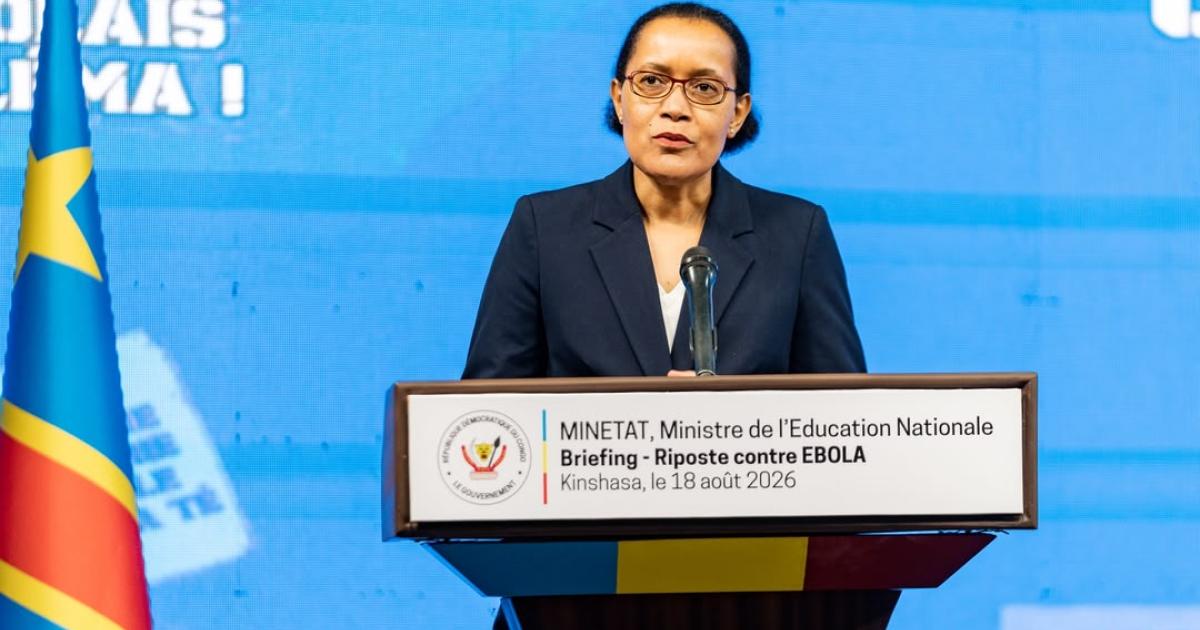
DRC: Adopts Differentiated School Year for Ebola Response
Summary
- The Democratic Republic of Congo government has announced a "differentiated" school year for 2026-2027.
- This policy is set to begin on September 1st and aims to balance education with the fight against Ebola spread.
- The decision comes in response to a resurgence of the Ebola epidemic in certain Congolese provinces.
- The differentiated approach seeks to reconcile teaching continuity with public health imperatives.
- Businesses operating in the DRC should prepare for potential workforce disruptions due to varied school schedules.
DRC Implements Differentiated School Year Amidst Ebola Resurgence
Compliance officers and HR lawyers advising clients in the DRC should immediately review existing employment policies, leave provisions, and health and safety protocols.
The government of the Democratic Republic of Congo (DRC) has announced a significant policy shift for the upcoming academic calendar, opting for a "differentiated" school year for 2026-2027. This strategic decision, set to commence on September 1st, is a direct response to the persistent public health challenge posed by the resurgence of the Ebola epidemic in specific regions of the country. The primary objective behind this Congo Ebola school reopening policy is to strike a delicate balance between ensuring educational continuity for students and intensifying efforts to curb the further spread of the deadly virus.
This innovative approach to the school year reflects the authorities' commitment to adapting national services to the prevailing health crisis. By implementing a differentiated system, the DRC aims to tailor educational operations to the varying epidemiological situations across its provinces. This measure underscores the gravity of the Ebola impact on Congolese schools and the broader society, necessitating flexible and responsive governance.
Context of Ongoing Public Health Challenges
The decision to introduce a DRC differentiated school year Ebola policy comes against a backdrop of renewed concerns over the Ebola virus. The resurgence of the epidemic in certain provinces has prompted the government to re-evaluate standard operational procedures, particularly within high-density environments like schools. This proactive step highlights the ongoing struggle the Democratic Republic of Congo faces in managing recurrent outbreaks while striving to maintain essential public services.
The differentiated school year is designed to integrate public health imperatives directly into the educational framework. While specific details on the exact nature of the differentiation—such as staggered school reopening DRC Ebola schedules or regional variations in start dates—are not fully elaborated in the initial announcement, the overarching intent is clear: to mitigate health risks associated with large gatherings of students and staff, thereby protecting communities from further transmission.
Implications for Educational Continuity and Health Protocols
The implementation of a differentiated school year for 2026-2027 signifies a complex undertaking for the DRC's education sector. While aiming to reconcile teaching with disease control, this policy will undoubtedly introduce new logistical and operational challenges for schools, educators, students, and parents alike. It necessitates the development and strict adherence to enhanced DRC education health protocols, which will likely vary depending on the local epidemiological context.
This approach underscores a broader strategy to manage the Ebola impact on Congolese schools by not uniformly shutting down the entire system but rather by adapting its operations. The government's goal is to ensure that learning can proceed where it is safe to do so, while simultaneously deploying robust measures to prevent schools from becoming vectors for disease transmission. This balance is critical for the long-term development of the nation, even as it grapples with immediate health crises.
Broader Impact for Businesses and Workforce Management
The government's decision regarding the DRC differentiated school year Ebola policy carries significant implications beyond the education sector, particularly for businesses operating within the Democratic Republic of Congo. The varied school schedules and potential disruptions arising from this policy will directly affect the workforce, as employees who are parents may face challenges related to childcare and school attendance. This necessitates a proactive approach from employers to manage potential workforce disruptions effectively.
Compliance officers and HR lawyers advising clients in the DRC should immediately review existing employment policies, leave provisions, and health and safety protocols. Adapting to the government's differentiated school year approach will be crucial for maintaining operational continuity and ensuring employee well-being. Companies must be prepared for potential absenteeism or requests for flexible working arrangements, making it imperative to update internal guidelines to reflect the evolving regulatory and social landscape shaped by the ongoing Ebola response.
Practical Implications
Compliance officers and HR lawyers should advise clients operating in the DRC on potential workforce disruptions and the need to review employment policies, leave provisions, and health and safety protocols due to the government's differentiated school year approach to manage Ebola.
Source
How does this affect you?
Get an AI analysis of this article grounded in your jurisdictions, practice areas, and any policy documents you've uploaded to Wansom.
Wansom is AI and can make mistakes.