
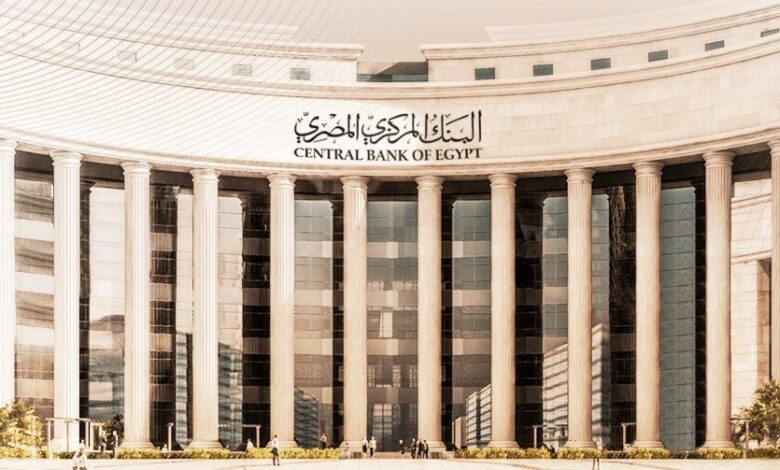
CBE: 1% Interest Rate Hike in Egypt to Combat Inflation
Summary
- The Central Bank of Egypt (CBE) increased interest rates by one percentage point.
- This decision was a pre-emptive measure to sustain the downward trajectory of inflation.
- The CBE aims to achieve an average inflation target of 7% (±2 percentage points).
- This inflation target is set for the fourth quarter of 2027.
- The CBE’s Monetary Policy Committee (MPC) was responsible for this interest rate adjustment.
Recent Monetary Action
Legal professionals should be prepared to advise clients on how these higher rates might affect existing loan agreements, particularly those with variable interest rate clauses, potentially triggering renegotiations or adjustments to payment schedules.
The Central Bank of Egypt (CBE) recently implemented a significant adjustment to its monetary policy, opting to increase key interest rates by a full percentage point. This move, orchestrated by the CBE’s Monetary Policy Committee (MPC), represents a deliberate and forward-looking intervention in the nation's economic landscape. The decision underscores the central bank's commitment to actively managing inflationary pressures, signaling a firm stance against price instability. This specific "Egyptian interest rate increase" is positioned as a crucial step in the ongoing effort to stabilize prices and foster a more predictable economic environment, aiming to anchor inflation expectations firmly.
Strategic Disinflation Efforts
This latest "CBE interest rate hike Egypt" is fundamentally a pre-emptive measure, designed to reinforce the current downward trend in inflation. The "Central Bank of Egypt monetary policy" is firmly oriented towards achieving a specific long-term objective: bringing the average inflation rate down to 7%, with a permissible fluctuation of plus or minus two percentage points. This ambitious "Egypt inflation target 2027" is set for the fourth quarter of that year, highlighting the multi-year scope of the central bank's comprehensive "CBE disinflation strategy." The MPC's action aims to ensure that the economy remains on track to meet this critical benchmark, preventing any resurgence of price volatility and building confidence in the national currency's purchasing power over time.
Economic and Banking Sector Impact
The ramifications of the recent "Egyptian interest rate increase" extend across various sectors, particularly impacting the "Egypt banking sector." This adjustment directly translates into an "increased cost of borrowing" for both businesses and individual consumers, necessitating a thorough re-evaluation of financial strategies and capital expenditure plans. Banks will need to recalibrate their lending portfolios and assess the potential for shifts in demand for credit. The overall financial environment will see a tightening, which could influence liquidity and profitability within the banking system, requiring careful management and adaptation to the new interest rate regime.
Legal and Contractual Considerations
From a legal and compliance perspective, the "CBE interest rate hike Egypt" introduces several critical considerations. Legal professionals should be prepared to advise clients on how these higher rates might affect existing loan agreements, particularly those with variable interest rate clauses, potentially triggering renegotiations or adjustments to payment schedules. The landscape for new financing structures and investment strategies in Egypt will undoubtedly shift, demanding meticulous due diligence and revised financial modeling to account for the elevated cost of capital. Compliance officers, in particular, will need to closely monitor for potential ripple effects on financial regulations and contractual obligations, especially those sensitive to interest rate fluctuations, ensuring that all corporate and financial operations remain compliant amidst the evolving economic conditions and increased financial scrutiny.
Practical Implications
Lawyers should advise clients on the increased cost of borrowing and its potential impact on existing loan agreements, new financing structures, and investment strategies in Egypt. Compliance officers should monitor for potential ripple effects on financial regulations and contractual obligations, particularly those sensitive to interest rate fluctuations.
Source
How does this affect you?
Get an AI analysis of this article grounded in your jurisdictions, practice areas, and any policy documents you've uploaded to Wansom.
Finish Reading the Full Story and the Expert Analysis.
Wansom is AI and can make mistakes.