
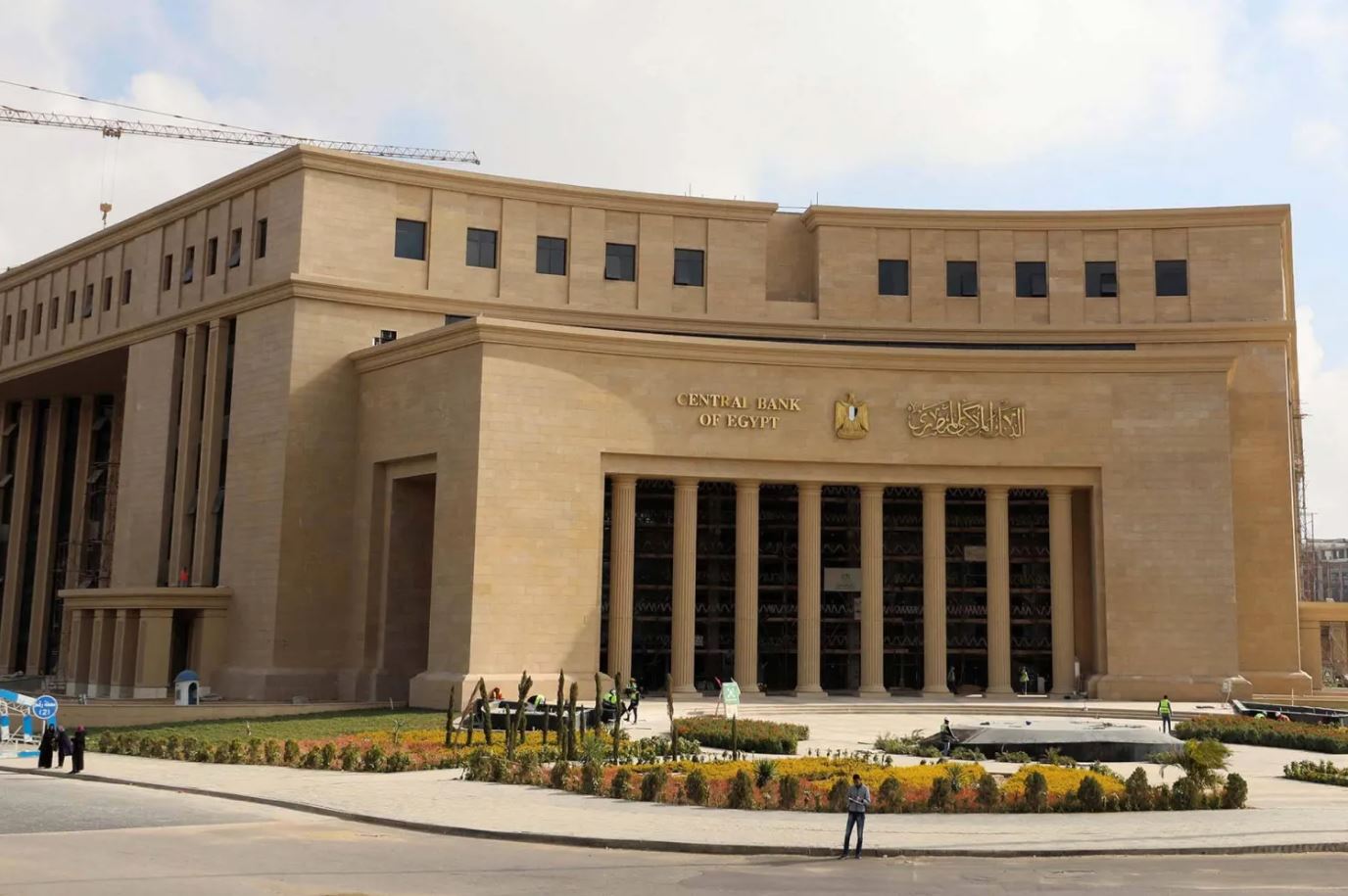
CBE: Unanimous 1% Interest Rate Hike Diverges From Market Expectations
Summary
- The Central Bank of Egypt increased its key interest rates by 100 basis points, or 1 percentage point.
- The Monetary Policy Committee raised the overnight deposit rate to 20.0 percent, the overnight lending rate to 21.0 percent, and the main operation rate to 20.5 percent.
- This CBE interest rate hike 1% aims to anchor Egypt inflation expectations and alleviate economic pressures.
- The decision by the Egypt Monetary Policy Committee defied market expectations.
- The move addresses both domestic challenges and Egyptian currency pressures.
The Central Bank's Decision
This substantial adjustment in Central Bank of Egypt interest rates is anticipated to have wide-ranging implications across the country's financial sector and broader economy.
The Central Bank of Egypt (CBE) recently enacted a significant shift in its monetary policy, opting to raise its benchmark interest rates by a full percentage point. This CBE interest rate hike 1%, equivalent to 100 basis points, was a unanimous decision by the Monetary Policy Committee (MPC) and notably diverged from the expectations held by many market analysts. As a direct result of this action, the CBE overnight deposit rate was adjusted upwards to 20.0 percent, the overnight lending rate to 21.0 percent, and the main operation rate to 20.5 percent.
This assertive move by the Central Bank of Egypt underscores its commitment to navigating the nation's complex economic landscape. The Egypt Monetary Policy Committee carefully assessed the prevailing financial conditions and determined that a substantial increase in borrowing costs was necessary. This adjustment is designed to have a broad impact across the economy, influencing everything from commercial lending rates to the overall cost of capital for businesses and consumers alike. The hike signals a clear intent to tighten monetary conditions in response to current economic challenges.
Economic Rationale
A primary driver behind the CBE interest rate hike 1% was the imperative to anchor Egypt inflation expectations, which have been a persistent and challenging concern for economic policymakers. By making money more expensive to borrow, the Central Bank aims to temper aggregate demand, thereby alleviating pressure on prices. This conventional monetary policy tool is employed to cool an overheating economy and bring inflation back within a manageable range, ultimately striving for price stability.
Beyond controlling inflation, the decision also sought to mitigate escalating domestic and external economic pressures confronting the nation. The Egyptian economy has been grappling with various headwinds, including significant Egyptian currency pressures that have impacted its stability and international trade. The Central Bank's strategic move is designed to enhance the attractiveness of Egyptian assets for foreign investors, potentially drawing in capital and providing support to the local currency, thereby addressing some of these external vulnerabilities.
Market Reaction and Implications
The announcement of the CBE interest rate hike 1% on Thursday was particularly noteworthy because it defied prevailing market expectations, suggesting a more decisive and perhaps unexpected stance from the Central Bank. This unanticipated increase highlights the gravity with which the Egypt Monetary Policy Committee perceives the current economic environment and its resolve to implement strong measures to restore equilibrium. The new rates of 20.0 percent for overnight deposits, 21.0 percent for overnight lending, and 20.5 percent for main operations signify a considerable tightening of the monetary policy framework.
This substantial adjustment in Central Bank of Egypt interest rates is anticipated to have wide-ranging implications across the country's financial sector and broader economy. Businesses will inevitably face elevated borrowing costs, which could influence investment decisions, expansion plans, and overall operational profitability. For the general populace, the cost of credit will increase, affecting various financial products from mortgages to personal loans, as the Central Bank works diligently to manage Egypt inflation expectations and alleviate Egyptian currency pressures.
Practical Implications
Lawyers and compliance officers should advise clients on the immediate impact of increased borrowing costs on existing loan agreements, project financing, and investment strategies in Egypt. This rate hike signals a tightening monetary policy that could affect financial covenants and the viability of new ventures.
Source
How does this affect you?
Get an AI analysis of this article grounded in your jurisdictions, practice areas, and any policy documents you've uploaded to Wansom.
Finish Reading the Full Story and the Expert Analysis.
Wansom is AI and can make mistakes.