
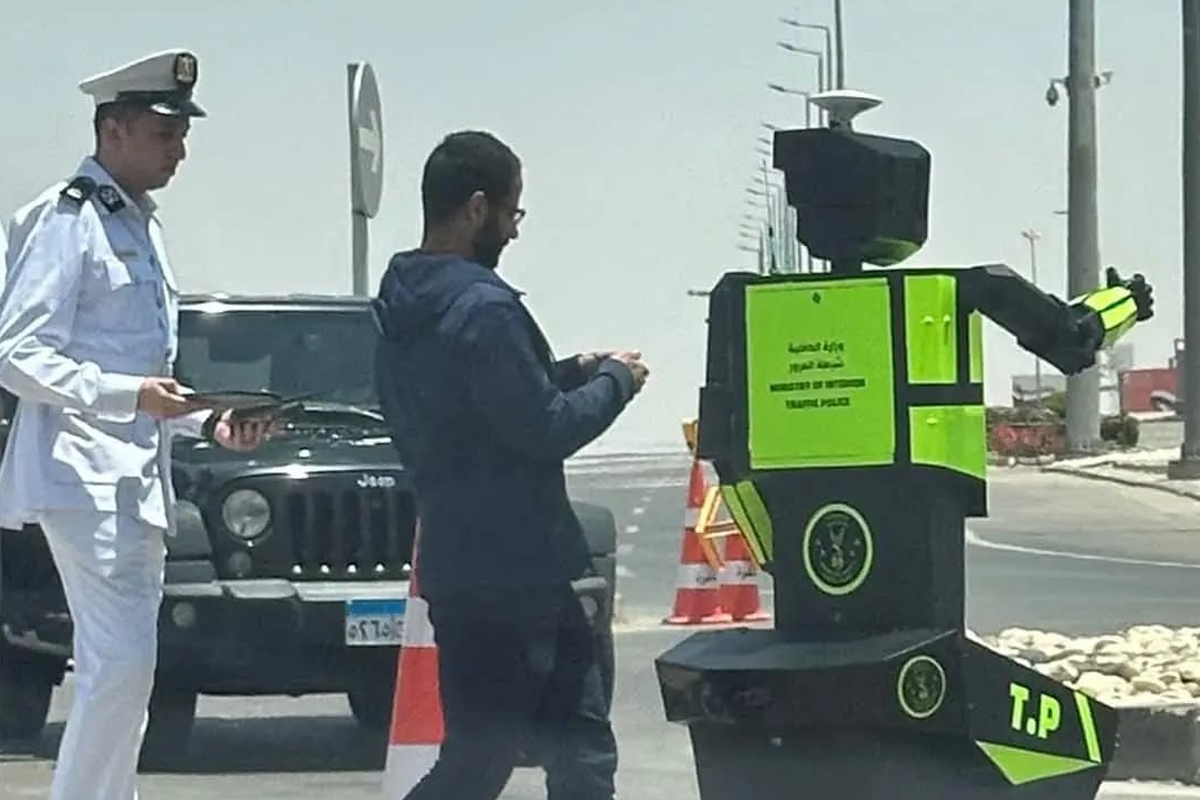
Cairo Launches Automated Traffic Enforcement System
Summary
- Cairo is set to implement an automated traffic enforcement system on its streets in the near future.
- This advanced system is already operational in the New Administrative Capital and on major roads leading to New Alamein City.
- Major General Ahmed Hisham explained that this initiative is part of broader efforts to modernize Egypt's traffic management.
- The system leverages technology to detect violations, acting as an "automated traffic officer."
- Its introduction signifies a national move towards technologically driven traffic regulation and enhanced compliance.
Cairo's New Era of Traffic Enforcement
The implementation signifies a strategic move towards a more technologically driven approach to managing urban mobility, aiming to enhance compliance and streamline the identification of infractions without direct human intervention at every point.
Cairo is on the cusp of a significant transformation in how its traffic laws are upheld, with the imminent introduction of an advanced automated traffic enforcement system. This technological upgrade is poised to bring a new level of precision and consistency to monitoring road behavior across the city's bustling thoroughfares. The implementation signifies a strategic move towards a more technologically driven approach to managing urban mobility, aiming to enhance compliance and streamline the identification of infractions without direct human intervention at every point. This development marks a pivotal moment for drivers and transport operators navigating the capital, as the era of Egypt automated traffic fines approaches.
The forthcoming system in Cairo represents a substantial step in the nation's ongoing efforts to modernize its infrastructure and regulatory frameworks. It is designed to function as an "automated traffic officer," implying a comprehensive network of sensors and cameras capable of detecting various violations. This initiative is not merely about issuing penalties; it reflects a broader vision for improving traffic flow, reducing accidents, and fostering a more disciplined driving culture within one of Africa's largest metropolitan areas. The shift towards such sophisticated monitoring tools underscores a commitment to leveraging cutting-edge solutions for urban challenges.
Precedent and National Modernization Efforts
The deployment of this sophisticated Cairo automated traffic enforcement system is not an isolated event but rather an extension of a strategy already in motion across other key regions of Egypt. This very system has previously been successfully implemented within the New Administrative Capital, demonstrating its operational viability and effectiveness in a modern urban setting. Furthermore, its presence is already established along crucial major roads and arteries that facilitate travel to New Alamein City, indicating a broader national rollout for critical transportation corridors. These prior implementations provide a blueprint for the expected operational impact and efficiency gains anticipated in Cairo.
Major General Ahmed Hisham has highlighted that the introduction of this system forms an integral part of a more expansive national agenda aimed at modernizing Egypt's entire traffic management infrastructure. This overarching objective seeks to harness technological advancements to enhance oversight and improve the overall efficiency of the country's road networks. The strategic adoption of such systems underscores a commitment to evolving traditional enforcement methods into a more data-driven and automated paradigm, ultimately contributing to safer and more orderly traffic conditions nationwide. This comprehensive approach to Egypt traffic camera implementation reflects a forward-thinking vision for urban and inter-city mobility.
The Broader Impact of Automation
The integration of automated systems for traffic enforcement carries significant implications beyond simply issuing citations; it represents a fundamental shift in how traffic laws are perceived and enforced. For residents and businesses operating within Cairo, this means a heightened expectation of adherence to regulations, as the margin for undetected infractions will diminish considerably. The move towards such advanced technology is designed to ensure a more consistent application of traffic rules, thereby reducing discretion and promoting a more uniform standard of driving behavior across the city. This Cairo traffic law modernization effort is expected to have a ripple effect on driver conduct and overall road safety.
This technological leap, particularly the widespread Egypt traffic camera implementation, is a clear indicator of Cairo's commitment to modernizing its urban services. The system's ability to leverage technology for detection, as noted by Major General Ahmed Hisham, suggests a future where data analytics and real-time monitoring play a central role in urban planning and law enforcement. The focus on automated detection capabilities is poised to transform the landscape of traffic management, making it more efficient and less reliant on manual processes. This evolution is crucial for a rapidly growing metropolis like Cairo, aiming to manage its increasing traffic volume more effectively and ensure compliance with traffic regulations.
Practical Implications
Lawyers advising clients who drive or operate transport services in Cairo should prepare for increased enforcement of traffic laws through automated systems. This development necessitates reviewing compliance protocols and driver training to mitigate the risk of fines and potential legal challenges arising from the new technological monitoring.
Source
How does this affect you?
Get an AI analysis of this article grounded in your jurisdictions, practice areas, and any policy documents you've uploaded to Wansom.
Finish Reading the Full Story and the Expert Analysis.
Wansom is AI and can make mistakes.