
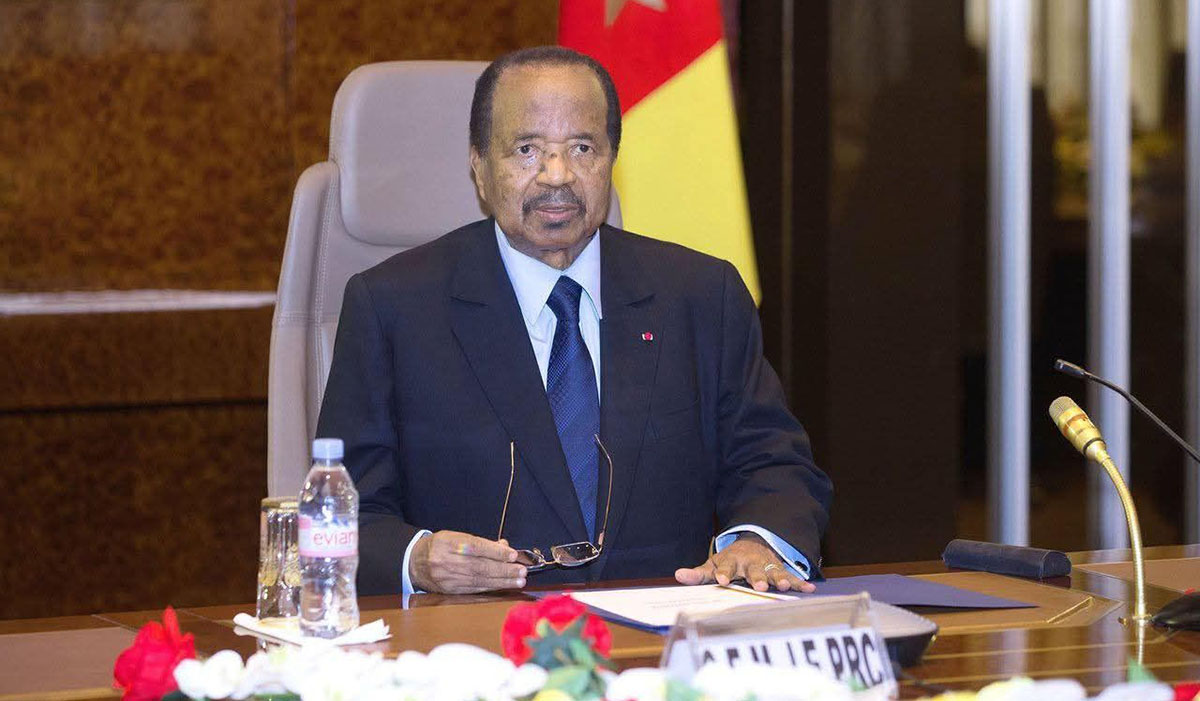
Paul Biya: Décret Renouvelle ELECAM Mandat pour 4 Ans
Summary
- President Paul Biya signed décret n° 2026/344 renewing the mandate of ELECAM's President, Vice-President, and council members.
- Enow Abrams Egbe and Amugu Appoline Marie, née Abena Ekobena, were reappointed for a four-year term.
- This renewal aims to ensure stability ahead of the crucial legislative and municipal elections scheduled for February 2027.
- ELECAM faces key challenges including auditing electoral lists, managing complex logistics for coupled elections, and restoring voter confidence.
- The upcoming 2027 elections will be the first comprehensive democratic test since the last presidential election, redefining parliamentary and local governance.
Presidential Decree Renews ELECAM Leadership
The décret Paul Biya renouvellement ELECAM sets the stage for the upcoming electoral cycle.
Cameroonian President Paul Biya recently issued décret n° 2026/344 Cameroun, formally renewing the leadership of Elections Cameroon (ELECAM), the nation's electoral body. This presidential act extends the terms for the President, Vice-President, and several council members of ELECAM for an additional four years. The decision ensures continuity at the helm of the institution responsible for overseeing the country's electoral processes, particularly as the nation prepares for crucial legislative and municipal polls.
The decree specifically reappointed Enow Abrams Egbe as President and Amugu Appoline Marie, née Abena Ekobena, as Vice-President of ELECAM. Their renewed ELECAM mandat Enow Abrams Egbe signifies a commitment to maintaining the current operational structure. Additionally, the decree confirmed a paritarian list of other council members, including Mesdames Bomba Nkolo, Epoh, Njeuma, and Sadou, alongside Messieurs Adamou, Belle Amougou, Ejake Mbonda, Haman Dahirou, Mbonda, and Nga Gasper. This move aims to prevent any disruption in governance within the electoral regulatory body, especially following a period of heightened political tension that succeeded the last presidential election. The décret Paul Biya renouvellement ELECAM sets the stage for the upcoming electoral cycle.
Setting the Stage for 2027 Elections
The renewal of ELECAM's executive bureau comes at a pivotal moment for Cameroon's political landscape, preceding the eagerly anticipated élections législatives municipales 2027 Cameroun. These dual elections, now projected for February 2027, represent a significant democratic milestone. They will serve as the first comprehensive electoral test since the last presidential contest, with the potential to reshape both parliamentary representation and local governance across the country.
The scheduling of these elections in 2027 follows previous postponements, which were sanctioned by the National Assembly due to identified budgetary and logistical constraints. By stabilizing ELECAM's leadership through the recent decree, the government appears to be prioritizing a seamless transition into the next electoral phase. This continuity is intended to foster a stable regulatory environment as the nation gears up for polls that will determine the composition of the National Assembly and the administration of its 360 communes.
ELECAM's Critical Mandate and Challenges Ahead
With its leadership confirmed, ELECAM, under the continued ELECAM mandat Enow Abrams Egbe, faces a demanding agenda leading up to the 2027 elections. The electoral body is tasked with addressing three primary challenges to ensure the integrity and smooth execution of the upcoming polls. First, a thorough audit and transparent publication of electoral lists are paramount. This involves guaranteeing the reliability of the biometric electoral file to proactively mitigate the frequent legal challenges and contestations typically raised by opposition parties, a critical aspect of droit électoral Cameroun 2027.
Second, ELECAM must meticulously manage the complex logistics inherent in conducting coupled legislative and municipal elections simultaneously. This entails efficiently handling candidate registrations and deploying electoral materials across all ten regions of Cameroon. Finally, and perhaps most crucially, the institution is charged with restoring public confidence and encouraging widespread voter participation. In a politically polarized environment, mobilizing the electorate massively will be key to legitimizing the outcomes of the élections législatives municipales 2027 Cameroun. The success of ELECAM in these areas will be vital for the democratic health of the nation.
Practical Implications
Lawyers advising political parties or candidates in Cameroon should note the continuity in ELECAM's leadership, which suggests a stable regulatory environment for the upcoming 2027 elections. However, the emphasis on ELECAM's need to ensure transparency of electoral lists and efficient logistics highlights potential areas for legal challenges or compliance scrutiny related to election integrity and fairness.
Source
How does this affect you?
Get an AI analysis of this article grounded in your jurisdictions, practice areas, and any policy documents you've uploaded to Wansom.
Finish Reading the Full Story and the Expert Analysis.
Get the latest legal & regulatory intelligence in Cameroon
Wansom is AI and can make mistakes.