
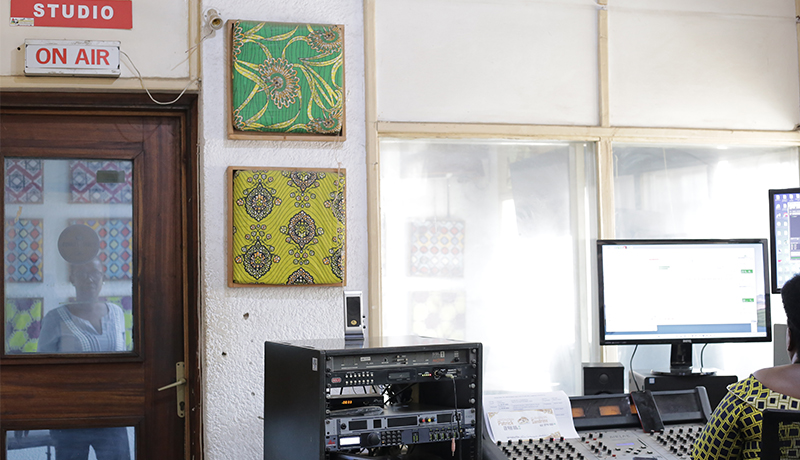
Burundi: Private Media Power Cuts Fuel Operational Crisis
Summary
- Private media in Burundi, including Radiotélévision Isanganiro and Bonesha FM, are experiencing severe operational disruptions due to frequent electricity outages.
- These power cuts are compounded by a chronic, six-year fuel shortage, making it impossible for broadcasters to power backup generators.
- Black market fuel prices, reaching 300,000-350,000 BIF for 20 liters, are financially prohibitive for most media organizations.
- Despite claims of an 'electricity surplus' by Regideso, the national utility, media outlets and listeners face daily interruptions, sometimes lasting over three to five hours.
- The situation creates significant financial and operational risks for private media, impacting program regularity, journalist morale, and public trust in information dissemination.
Burundi's Media Sector Grapples with Power and Fuel Crisis
This ongoing infrastructure crisis exposes significant operational and financial risks for private media in Burundi, potentially impacting their contractual performance and regulatory compliance.
Private media outlets across Burundi are grappling with severe operational disruptions stemming from persistent electricity outages and a critical shortage of fuel for backup generators. Radiotélévision Isanganiro (RTI), a prominent private broadcaster, publicly acknowledged these challenges on Wednesday, September 16, 2026, issuing an apology via its X account and Facebook page. The statement cited program interruptions due to power cuts that began the preceding Monday, compounded by insufficient fuel supplies. RTI has experienced entire days without broadcasting, a situation that has become increasingly common.
An RTI journalist recounted missing her live program for two consecutive Sundays due to these issues. The impact extends to scheduled programming, as exemplified by an hour-long live show, 'Karadiridimba,' which featured the Uprona party president. Power failed just ten minutes into the broadcast, forcing the guest to depart prematurely. Other regular RTI programs, including 'Aho Iwanyu havugwa amaki?,' 'Yaga Kibondo,' and 'Tweho,' are now frequently disrupted, leaving journalists feeling embarrassed and accountable when their prepared content cannot be aired.
Similar challenges plague other private broadcasters, including Bonesha FM, which has endured significant difficulties for an extended period. Alain Niyomucamanza, Bonesha FM's editor-in-chief, described power interruptions lasting over three hours or characterized by flickering supply, rendering essential computer and broadcasting equipment inoperable. These **Burundi electricity outages media** problems are exacerbated by the pervasive **Burundi fuel shortage private broadcasters**, creating a precarious environment for information dissemination.
Operational Challenges and Financial Strain
The dual crisis of **Burundi private media power cuts fuel** creates profound operational hurdles. Alain Désiré Bukeyeneza, editor-in-chief at RTI, highlighted the difficulties faced by journalists, who struggle to even reach their workplaces due to the broader fuel scarcity. Once at the office, frequent power interruptions impede their ability to work effectively, research stories, and broadcast information. This environment is particularly challenging for media entities already operating on precarious financial footing, as the disruptions further strain their limited resources.
The lack of reliable electricity forces reliance on generators, but a chronic fuel scarcity, which has persisted for six years, makes this alternative largely unfeasible. While a 20-liter jerrycan of fuel can be sourced on the black market, its exorbitant price—ranging from 300,000 to 350,000 Burundian Francs—is prohibitive for most media organizations. This financial barrier means that even when power fails, many private broadcasters cannot afford to maintain their operations, leading to prolonged periods of silence. Such **Burundi media operational risks** are not merely inconvenient; they threaten the very existence of independent news sources.
Regulatory and Public Trust Implications
Adding to the frustration is the official stance from Regideso, Burundi's electricity utility, which paradoxically asserts an 'electricity surplus.' This claim stands in stark contrast to the daily reality faced by citizens and media outlets, who experience constant power failures. When a radio station remains off-air for more than five hours, listeners become confused and frequently call in to inquire about the silence, often leaving broadcasters with no satisfactory explanation. This situation underscores the significant impact on public access to information and the erosion of trust in both utility providers and media consistency.
Journalists, having invested time and effort in gathering information or conducting interviews, find it deeply frustrating when their work cannot be broadcast or when live shows must be abruptly halted due to power failures. Radiotélévision Rema FM's General Director, Claude Nkurunziza, also acknowledges the severe consequences these interruptions have on his teams' work, indicating a widespread problem across the sector. This ongoing infrastructure crisis exposes significant operational and financial risks for private media in Burundi, potentially impacting their contractual performance and regulatory compliance. Lawyers advising media entities or investors should assess these infrastructure challenges and review relevant force majeure clauses, as the current environment presents substantial legal and business uncertainties.
Practical Implications
This situation exposes significant operational and financial risks for private media in Burundi, potentially impacting contractual performance and regulatory compliance. Lawyers advising media entities or investors should assess these infrastructure challenges and review relevant force majeure clauses.
Source
How does this affect you?
Get an AI analysis of this article grounded in your jurisdictions, practice areas, and any policy documents you've uploaded to Wansom.
Finish Reading the Full Story and the Expert Analysis.
Get the latest legal & regulatory intelligence in Burundi
Wansom is AI and can make mistakes.