
Burundi: BIF 944 Billion Boosts Communal Projects, Youth Employment
Summary
- Burundi's communes are urged to prioritize sustainable, locally-adapted projects to combat persistent youth unemployment.
- A significant budget of 944 billion BIF has been allocated to communes for the current fiscal year to fund these initiatives.
- Discussions at a Gitega conference highlighted agriculture, livestock, and agro-processing as key sectors for job creation.
- The importance of thoroughly studying projects before financing was emphasized to ensure their viability.
- This strategy aims to leverage local potential for economic growth and provide opportunities for young people.
What Happened
For legal professionals and organizations advising businesses or non-governmental entities operating in Burundi, particularly those involved in local development, agricultural ventures, or youth employment programs, this development is critically important.
Burundi is actively seeking solutions to its persistent challenge of youth unemployment. In response, local administrative bodies, known as communes, have been strongly encouraged to prioritize the development and implementation of projects that are both sustainable and specifically tailored to the unique resources and opportunities present within their respective localities. This strategic directive aims to foster economic growth from the ground up, directly engaging the youth demographic.
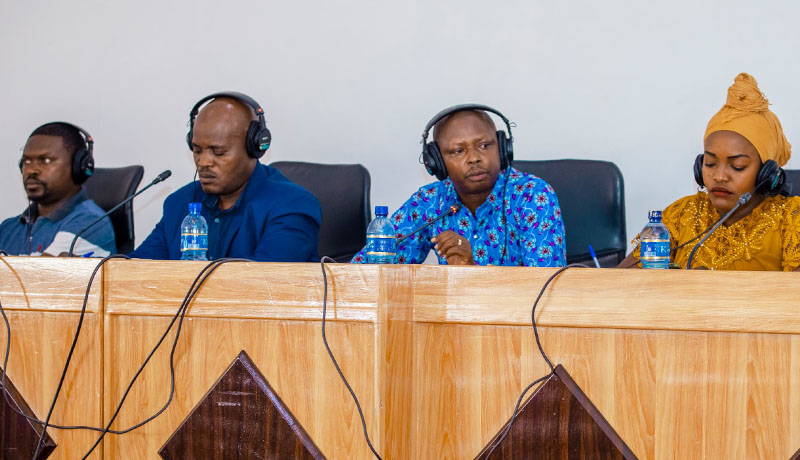
A recent conference-debate held in Gitega served as a crucial platform for exploring various initiatives designed to achieve these objectives. During these discussions, a range of potential project types were highlighted, including ventures in agriculture, livestock farming, and the increasingly vital sector of agro-food processing. Additionally, the establishment of diverse production units was identified as a promising avenue for job creation. The insights gleaned from this gathering underscored not only the significant potential for generating employment through such communal undertakings but also the critical importance of conducting thorough and meticulous studies of all proposed projects before any financial commitments are made. This emphasis on pre-financing evaluation is intended to ensure the viability and long-term success of these initiatives.
Funding and Implementation Framework
To underpin these ambitious communal development efforts, a substantial financial allocation has been designated within the current national budget. A remarkable sum of 944 billion Burundian Francs (BIF) has been earmarked specifically for the communes. This significant investment is intended to provide the necessary capital for launching and sustaining the types of local projects discussed, thereby directly supporting the national strategy to combat youth unemployment through localized economic empowerment.
The allocation of such a considerable budget underscores the government's commitment to decentralizing development initiatives and empowering local administrations to address pressing socio-economic issues. This funding mechanism is designed to facilitate the transition from conceptual project ideas to tangible, operational enterprises at the communal level. The focus remains on ensuring that these funds are channeled into projects that not only create immediate employment opportunities but also contribute to the sustainable economic fabric of the communities, aligning with the broader goals of national development.
Why It Matters
The strategic focus on Burundi communal projects for youth employment holds profound implications for the nation's future stability and prosperity. By directing substantial resources towards locally-driven, sustainable initiatives, the country is attempting to build resilience against economic shocks and provide meaningful opportunities for its young population. The emphasis on sectors like agriculture and agro-processing leverages Burundi's natural endowments, aiming to create value chains that can sustain long-term growth and reduce reliance on external markets.
For legal professionals and organizations advising businesses or non-governmental entities operating in Burundi, particularly those involved in local development, agricultural ventures, or youth employment programs, this development is critically important. Given the substantial 944 billion BIF budget allocated to communes, it becomes imperative to closely monitor the evolving criteria and application processes for accessing these communal project funds. Understanding these mechanisms will be key to assisting clients in securing necessary financing and ensuring their projects comply with all regulatory requirements, thereby maximizing their potential for success and contribution to Burundi's development goals. This proactive engagement is essential for navigating the landscape of Burundi local development funding and capitalizing on the opportunities presented by these youth unemployment initiatives.
Practical Implications
Lawyers advising businesses or NGOs involved in local development, agriculture, or youth employment in Burundi should monitor the criteria and application processes for communal project funding, particularly given the substantial 944 billion BIF budget allocated, to help clients secure financing and ensure compliance with project requirements.
Source
How does this affect you?
Get an AI analysis of this article grounded in your jurisdictions, practice areas, and any policy documents you've uploaded to Wansom.
Finish Reading the Full Story and the Expert Analysis.
Get the latest legal & regulatory intelligence in Burundi
Wansom is AI and can make mistakes.