
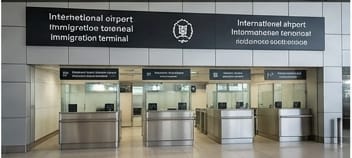
Burundi: Enforces Entry Ban on AFC-M23 Areas, Including UN Personnel
Summary
- Burundi has implemented a strict entry ban for individuals originating from or transiting through AFC-M23 controlled areas in eastern DRC.
- The ban, announced by Minister Léonidas Ndaruzaniye, also applies to United Nations personnel working in these regions.
- No official legal text, effective date, or exceptions for the ban have been publicly released, creating significant uncertainty.
- Border posts have reported increased controls, entry refusals, and arrests targeting travelers from affected areas.
- The measure is set against a backdrop of high tensions in eastern DRC, with Burundi aligning militarily with Kinshasa against the AFC-M23.
Burundi Imposes Strict Entry Restrictions
Lawyers and compliance officers advising individuals or organizations with operations or personnel in Eastern DRC, particularly in AFC-M23 controlled areas, must be aware of Burundi's uncodified and potentially arbitrary entry ban.
Burundi has significantly tightened its entry requirements for individuals arriving from areas within the eastern Democratic Republic of Congo (DRC) currently under the control of the AFC-M23 rebel group. Léonidas Ndaruzaniye, the Minister of Interior, Public Security, and Community Development, publicly announced this new policy on a recent Thursday. The directive explicitly states that individuals originating from these specific territories, as well as those who have merely transited through them, will be denied entry into Burundian territory. This sweeping Burundi entry ban AFC-M23 areas also extends to United Nations personnel who are actively working within these designated regions.
During a meeting with police officials in Bujumbura, Burundi's commercial capital, Minister Ndaruzaniye underscored the government's unwavering stance, declaring, "We are Kinshasa's allies." He acknowledged receiving numerous appeals from individuals requesting a reconsideration of the decision or permission to transit through or reside in Burundi. However, he firmly asserted his refusal to yield to such requests, stating, "I am receiving many calls, but I will never give in." Following these public remarks, the minister continued his address behind closed doors. He is scheduled to continue these "moralizing talks" with police officers across the country's four other provinces, with Gitega, the political capital, being the next planned stop.
Uncodified Ban Raises Legal Concerns
A critical aspect of this new policy is the notable absence of any publicly disclosed legal text detailing its precise parameters. Authorities have not yet released information regarding the ban's effective date, the specific documentation that will be required at Burundi border control measures, or any potential exceptions to the rule. This lack of formal codification means there is no identified public legal document outlining the general prohibition, its implementation procedures, or any exemptions, creating substantial ambiguity for travelers.
This ambiguity has already manifested in practical challenges at border crossings. The Gatumba-Kavimvira border post, which connects Bujumbura and Uvira, was previously closed after the AFC-M23 assumed control of Uvira in December 2025, only reopening on February 23, 2026, to resume immigration processes. For several months, local reports have indicated intensified controls specifically targeting travelers from AFC-M23 controlled areas. Instances of entry refusals and arrests have been documented, further highlighting the immediate impact of these unwritten restrictions. Difficulties are also being reported along the Kobero axis, a key border crossing between Burundi and Tanzania, particularly affecting individuals from the sub-region attempting to reach Bujumbura or South Kivu. Relatives and local sources have also reported that two businessmen from Kirundo have been missing for several weeks, claiming they were apprehended at Kobero by agents of the National Intelligence Service (SNR), though no official confirmation of their arrest or disappearance has been made public.
Lawyers and compliance officers advising individuals or organizations with operations or personnel in Eastern DRC, particularly in AFC-M23 controlled areas, must be aware of Burundi's uncodified and potentially arbitrary entry ban. They should advise clients on the significant risk of entry refusal or detention, even for UN personnel, due to the lack of clear legal texts, effective dates, or exceptions, necessitating extreme caution for any travel plans involving Burundi.
Geopolitical Tensions Underpin Decision
The decision announced in Bujumbura is deeply rooted in the escalating tensions prevalent across the eastern Democratic Republic of Congo. The AFC-M23 group has notably extended its control over significant urban centers, including Goma, the capital of North Kivu, and Bukavu, the capital of South Kivu. Both Kinshasa and Gitega have openly accused Rwanda of providing support to the AFC-M23, allegations that Kigali vehemently denies, disputing various reports that suggest its involvement with the rebel movement.
Burundi's firm stance and the implementation of these Burundi travel restrictions DRC are also directly linked to its substantial military engagement in the region. More than 29,000 Burundian soldiers were deployed to the DRC between August 2022 and December 2025, underscoring Gitega's ongoing military commitment in the region. This strategic alignment forms the backdrop against which the new entry ban must be understood, reflecting a broader regional effort to counter the influence and movements of the AFC-M23. The Democratic Republic of Congo border with Burundi has become a critical point in this complex geopolitical landscape.
Humanitarian Repercussions and Regional Instability
The volatile security situation in eastern DRC has triggered significant population displacements, with many seeking refuge in neighboring countries, including Burundi. The United Nations High Commissioner for Refugees (UNHCR) recorded approximately 142,000 new arrivals from eastern DRC into Burundi between January 2025 and March 31, 2026. A substantial portion of these, around 109,000 individuals, arrived specifically after December 6, 2025. It is important to note that these figures remain provisional, indicating the ongoing and dynamic nature of the humanitarian crisis.
The UN personnel Burundi entry restrictions, alongside the broader ban, add another layer of complexity to an already dire humanitarian situation. While the ban aims to control movement from conflict zones, it inevitably impacts individuals who may be fleeing violence or involved in humanitarian efforts. The lack of clear guidelines and the arbitrary nature of the ban could exacerbate the challenges faced by displaced populations and those assisting them, further contributing to regional instability and the difficulties in managing cross-border movements in a highly sensitive environment.
Source
How does this affect you?
Get an AI analysis of this article grounded in your jurisdictions, practice areas, and any policy documents you've uploaded to Wansom.
Finish Reading the Full Story and the Expert Analysis.
Get the latest legal & regulatory intelligence in Burundi
Wansom is AI and can make mistakes.