
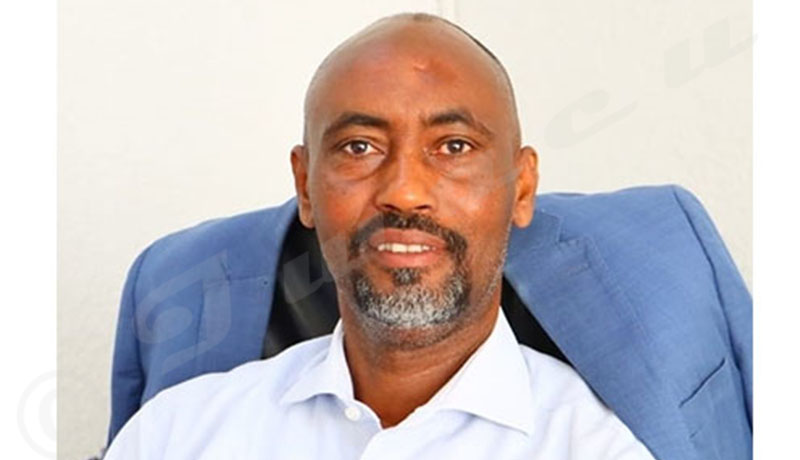
Burundi: Citizen Road Paving Contribution Legality Challenged
Summary
- Burundi's government is requesting citizens to contribute 61,773 BIF per square meter for road paving, with property owners facing bills up to 5 million BIF.
- This contribution is controversial due to concerns about double taxation, as citizens already pay various taxes intended for public services like infrastructure.
- The average Burundian salary is 120,000 BIF, making the proposed paving costs extremely difficult for many households to afford.
- Critics highlight a lack of transparency regarding how the 61,773 BIF/sqm figure was calculated and the specific financial shares of the population, commune, and state.
- The situation raises questions about the state's responsibility for public works financing, especially given recent large budget allocations.
Proposed Citizen Contribution for Road Paving
The legality and fairness of this Burundi citizen road paving contribution have been questioned, particularly regarding potential double taxation.
Burundian citizens are facing a significant financial demand for a road paving initiative, with the government requiring a contribution of 61,773 BIF per square meter. This measure, intended to fund road infrastructure with a standard width of three meters, places a substantial burden on property owners. For instance, an individual owning a property with a 10-meter facade would be expected to contribute 1,853,190 BIF.
The financial implications escalate rapidly with property size. A homeowner with a 20-meter facade would need to pay 3,706,380 BIF, while those with a 30-meter facade could face a bill exceeding 5,000,000 BIF. These amounts represent a considerable challenge for many Burundian households, especially when considering the average monthly salary in the country, which stands at approximately 120,000 BIF. An individual saving 30,000 BIF per month would require between five and ten years to accumulate 3,000,000 BIF, highlighting the difficulty of meeting such demands.
Concerns Over Double Taxation and State Responsibility
The legality and fairness of this Burundi citizen road paving contribution have been questioned, particularly regarding potential double taxation. Citizens already contribute significantly to public coffers through various taxes and levies, including general income and consumption taxes, vehicle and fuel charges, and business taxes on everything from commercial enterprises to the sale of agricultural products like livestock or even small items like banana beer. These existing contributions are intended to fund public services, including infrastructure development.
Critics argue that requiring additional payments for road paving effectively means citizens are paying twice for the same service. While community participation in development is generally encouraged, there is a crucial distinction between complementary citizen involvement and the state abdicating its primary responsibility for public works financing. The state's role in planning, funding, executing, and controlling such projects is paramount, and citizen contributions should supplement, not substitute, public funding mechanisms.
Lack of Transparency in Cost Allocation
A significant point of contention in this Burundi public works financing controversy was the initial lack of transparency surrounding the calculation of the 61,773 BIF per square meter contribution. However, the Minister of Infrastructure, Equipment and Transport, Egide Nijimbere, has since provided details on how this figure is derived, explaining that it is calculated based on the length of the property frontage multiplied by three meters and then by 61,773 BIF. Minister Nijimbere also clarified that the 61,773 BIF per square meter represents the citizens' contribution, with the state covering the remaining costs by providing machinery and, where necessary, building bridges and culverts.
Broader Implications for Public Trust
The current approach to funding road infrastructure raises fundamental questions about the extent of state responsibility for providing essential services. With a recent national budget allocation of 6,000 billion BIF for various activities and ministries expected to collect billions, the absence of a dedicated provision for road paving within existing state resources is puzzling. This situation suggests a potential disconnect between available public funds and their allocation to critical infrastructure needs.
Ultimately, the controversy surrounding this citizen contribution impacts public trust and economic stability. Demanding substantial sums from households, many of whom struggle with daily expenses like education and food, creates an additional burden that could hinder economic activity and household well-being. The lack of clear justification and transparent cost-sharing mechanisms only exacerbates these concerns, underscoring the need for a more equitable and transparent approach to infrastructure funding in Burundi.
Practical Implications
Lawyers advising clients in Burundi should be aware of the legal and financial implications of the proposed citizen contribution for road paving, particularly regarding potential double taxation issues and the lack of transparency in cost allocation. This development may necessitate advising clients on their rights and obligations concerning public works financing and potential avenues for challenging such demands.
Source
How does this affect you?
Get an AI analysis of this article grounded in your jurisdictions, practice areas, and any policy documents you've uploaded to Wansom.
Finish Reading the Full Story and the Expert Analysis.
Get the latest legal & regulatory intelligence in Burundi
Wansom is AI and can make mistakes.