
Bridge Bank Sénégal: 1,9 Milliard FCFA Virements Frauduleux Dévoilés
Summary
- Two banking complaints in Dakar detail alleged fraudulent transfers totaling 2.57465 billion FCFA between August and September.
- Bridge Bank Côte d'Ivoire reported approximately 1.9 billion FCFA diverted via fake transfer orders between Abidjan and Dakar.
- Bank of Africa also reported 650 million FCFA in fraudulent transfers, with 559 million FCFA subsequently withdrawn.
- The schemes involved falsified signatures, irregular email addresses, and rapid withdrawals from individual accounts in Dakar.
- Key individuals, including Ismaïla Dia, Serigne Sidy Ahmed Mbacké, and Awa Diop, have been placed under a mandat de dépôt following investigations.
Significant Fraudulent Transfers Uncovered in Senegal
The rapid execution of these fraudulent transfers and the subsequent swift withdrawals highlight a significant vulnerability within the financial ecosystem, particularly concerning cross-border transactions.
Senegalese authorities are investigating two distinct banking complaints filed in Dakar, collectively detailing alleged fraudulent transfers totaling 2.57465 billion FCFA. These illicit transactions reportedly occurred between August and September, highlighting a sophisticated scheme targeting financial institutions in the region. A substantial portion of this sum, approximately 1.9 billion FCFA, is linked to an incident involving Bridge Bank Côte d'Ivoire, where funds were purportedly diverted through a series of fake transfer orders originating from Abidjan and destined for Dakar. This case, centered on Bridge Bank Sénégal virements frauduleux 1,9 milliard, underscores a significant challenge for cross-border financial security.
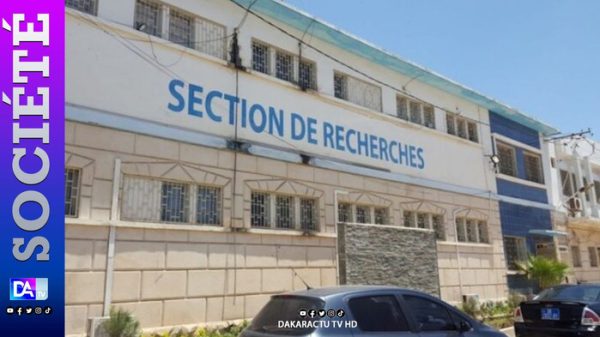
Separately, Bank of Africa (BOA) also initiated legal proceedings by contacting the Research Section on September 30 regarding its own losses. The Bank of Africa Sénégal fraude involved two specific transfer instructions, amounting to 200 million FCFA and 450 million FCFA respectively. These orders were presented as legitimate requests from Abco Bourse SA, with the beneficiary identified as "International du business services," represented by an individual named Ismaïla Dia. Following the execution of these transfers, a sum of 559 million FCFA was reportedly withdrawn, prompting immediate suspicion from the bank.
Elaborate Modus Operandi and Suspected Falsifications
The fraudulent activities detailed in the Bank of Africa complaint pointed to several critical anomalies. Investigators suspect a falsification of the authorized signature specimen used for the transfers, alongside an irregular email address employed to confirm the payments. These details suggest a meticulous effort to mimic legitimate banking communications and bypass standard security protocols. The swift execution and subsequent withdrawal of funds are characteristic of schemes designed to quickly obscure the money trail.
Concurrently, Bridge Bank Côte d'Ivoire, acting through its Senegalese affiliate, Bridge Bank Sénégal, lodged its complaint on the same day as BOA. This second dossier detailed a series of transfers executed between August 10 and September 27, channeling 1.92465 billion FCFA into various accounts opened across different banks in Dakar. The alleged modus operandi in this instance involved crediting individual accounts in Senegal, followed by rapid withdrawals of the sums. This method is often employed in attempts at blanchiment d'argent Sénégal, aiming to dissipate the funds before banks can effectively trace their movement and block access.
Judicial Response and Key Arrests
The ongoing investigations into this widespread fraude bancaire Sénégal Côte d'Ivoire have led to several arrests. Law enforcement officials apprehended individuals at various bank branches within the Parcelles Assainies area of Dakar. Among those detained were Ismaïla Dia and Serigne Sidy Ahmed Mbacké, who were reportedly in the process of attempting further withdrawals believed to be fraudulent at the time of their arrest. Following initial legal procedures, Ismaïla Dia, Serigne Sidy Ahmed Mbacké, and Awa Diop were placed under a mandat de dépôt, signifying their formal detention pending further legal action. Other individuals implicated in the scheme have been placed under judicial supervision.
Further inquiries also led to the discovery of Tidiane Diop at a Coris Bank agency in the Maristes sector. Diop was found in possession of a check for five million FCFA, which had been issued by an entity that had previously received funds identified as fraudulent. Prior to formally filing its complaint, Bridge Bank Sénégal had proactively requested that the implicated financial institutions block the suspicious transactions, underscoring the critical race against time to prevent the irreversible loss of funds once they are transferred to accounts in Senegal.
Implications for Financial Security and Compliance
The rapid execution of these fraudulent transfers and the subsequent swift withdrawals highlight a significant vulnerability within the financial ecosystem, particularly concerning cross-border transactions. The ability of perpetrators to quickly move and extract funds before banks can intervene emphasizes the urgent need for robust, real-time fraud detection and prevention mechanisms. This case serves as a stark reminder that financial institutions must continuously enhance their anti-money laundering (AML) protocols and internal controls, especially when dealing with new account activities and international transfers.
The scale of the alleged fraud, involving billions of FCFA and spanning multiple institutions across Abidjan and Dakar, underscores the persistent threat posed by organized financial crime. The effectiveness of banking alerts and the speed of institutional response are paramount in mitigating such risks. Preventing the dissipation of fraudulently obtained funds hinges on the immediate blocking of suspicious operations, a challenge made more complex by the sophisticated tactics employed by criminals in this type of fraude bancaire Sénégal Côte d'Ivoire.
Practical Implications
Compliance officers and legal counsel for financial institutions in Senegal and Côte d'Ivoire should review and strengthen their anti-money laundering (AML) and fraud detection protocols, particularly for cross-border transfers and new account activities, given the sophisticated nature and rapid execution of these fraudulent schemes. This case underscores the critical need for swift action on suspicious transaction alerts to prevent irreversible fund dissipation.
Source
How does this affect you?
Get an AI analysis of this article grounded in your jurisdictions, practice areas, and any policy documents you've uploaded to Wansom.
Finish Reading the Full Story and the Expert Analysis.
Get the latest legal & regulatory intelligence in Senegal
Wansom is AI and can make mistakes.