
Mamoudou Ibra Kane: Commissions Enquête Parlementaire Sénégal Must Be Impartial
Summary
- Mamoudou Ibra Kane outlined four key expectations for Senegal's newly formed parliamentary inquiry commissions.
- President of the National Assembly Ousmane Sonko established six commissions to investigate land management, state assets, and the "Un étudiant, un ordinateur" program.
- Kane demands non-selective investigations and strict adherence to due process throughout the inquiries.
- A proposed revision to Article 59 of the Constitution, adopted by the National Assembly in June 2026, was ruled unconstitutional by the Constitutional Council in July 2026, aiming to strengthen deputies' investigative powers.
- Kane insists that commission reports must lead to concrete follow-up actions, including sanctions, to ensure state credibility and public funds transparency.
The Call for Scrutiny and Fairness
His vision underscores that robust oversight and accountability are foundational to maintaining public trust and the integrity of national governance.
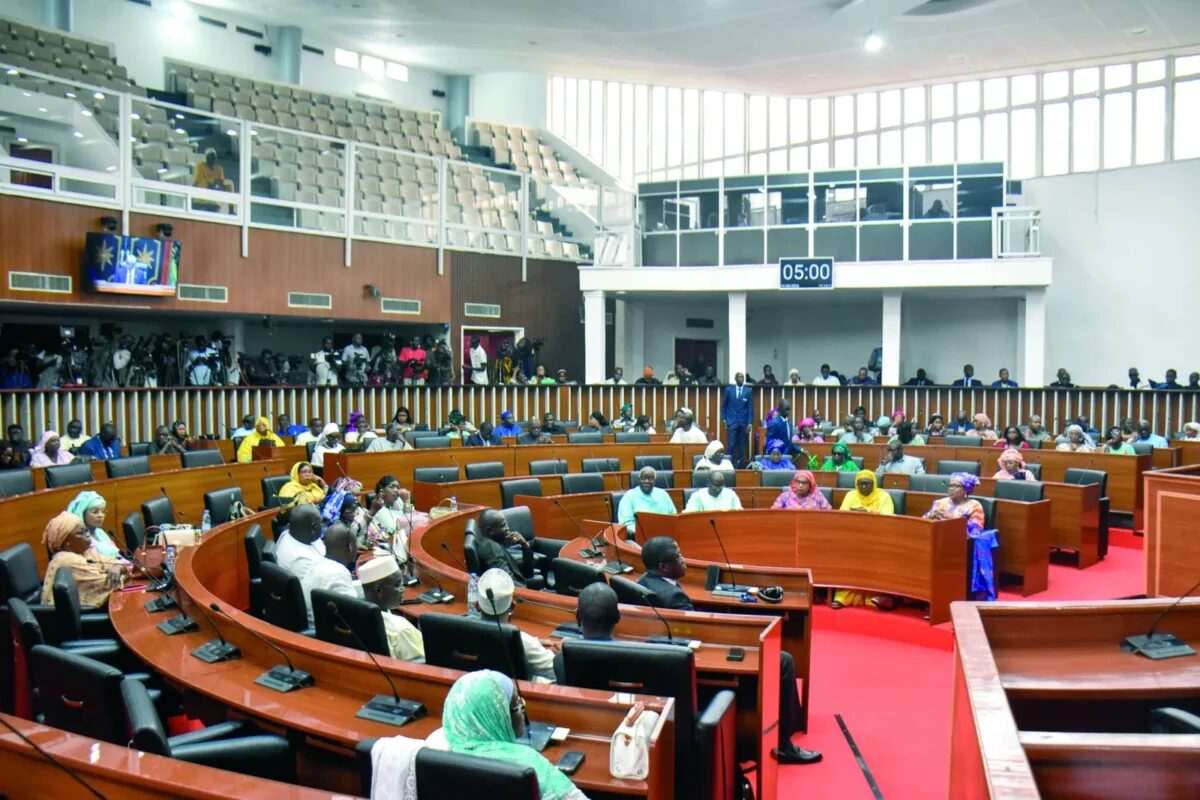
Mamoudou Ibra Kane, a prominent political figure leading the "Demain, c’est maintenant" movement, has articulated four critical expectations for the newly established parliamentary inquiry commissions in Senegal. These commissions, six in total, were officially initiated by President of the National Assembly Ousmane Sonko and are mandated to delve into significant areas of public administration. Their scope includes the examination of land management practices, the stewardship of state assets, and the specifics surrounding the "Un étudiant, un ordinateur" initiative. This move signals a concerted effort towards greater accountability within government operations.
In his public statement, as reported by Leral, Kane underscored the necessity for these investigations to be comprehensive and impartial. He specifically cautioned against any approach that might selectively target certain cases while overlooking others, advocating for an even-handed review across all relevant matters. Furthermore, he strongly emphasized the imperative of upholding the principle of due process, known as "le contradictoire," throughout the entire investigative period. This insistence aims to prevent the inquiries from devolving into mere political retribution or score-settling, ensuring that all parties involved are afforded a fair hearing until the conclusion of the proceedings.
Strengthening Investigative Powers
The emphasis on due process by Mamoudou Ibra Kane gains particular resonance in the context of an impending constitutional amendment. A preliminary draft for the revision of Article 59 of the Senegalese Constitution was adopted by the National Assembly in June 2026 but was subsequently ruled unconstitutional by the Constitutional Council in July 2026, which proposed a significant enhancement of the investigative capabilities of members of parliament. This proposed change would empower deputies to summon and hear any individual whose testimony is deemed pertinent to an inquiry, while strictly adhering to existing constitutional immunities. This development could fundamentally alter the landscape of parliamentary oversight, providing a more robust framework for Sénégal commissions d'enquête parlementaire.
The potential for révision article 59 Constitution Sénégal suggests a move towards greater legislative scrutiny over executive actions and public resource management. By granting parliamentarians broader authority to gather information, the state aims to reinforce its mechanisms for accountability. This legislative strengthening is crucial for the effective functioning of Ousmane Sonko commissions investigation and similar future bodies, ensuring they possess the necessary tools to conduct thorough and credible inquiries into complex issues like gestion foncière patrimoine État enquêtes.
Ensuring Accountability and Transparency
Beyond the procedural aspects, Mamoudou Ibra Kane also highlighted the critical need for the findings of these commissions to lead to tangible outcomes. He asserted that reports generated by credible parliamentary inquiries must not be left without follow-up actions, stressing that their conclusions should translate into concrete measures. This demand is particularly pertinent given the proposed timeline: if the necessary reforms are enacted within 15 days, the commissions will be allotted a six-month period to complete their investigations. The brevity of this timeframe makes the subsequent actions taken on their recommendations all the more crucial for demonstrating genuine commitment to reform.
Kane explicitly called for the implementation of all necessary consequences, including appropriate sanctions, where warranted. He articulated a firm belief that transparency in the management of public funds (transparence deniers publics Sénégal) should not be perceived as an impediment by any party. Instead, he views this exercise in openness as intrinsically linked to the overall credibility of the Senegalese state and all its responsible officials, encompassing political, administrative, financial, and technical personnel. His vision underscores that robust oversight and accountability are foundational to maintaining public trust and the integrity of national governance.
Practical Implications
Lawyers and compliance officers in Senegal should monitor the operationalization and findings of these parliamentary inquiry commissions, particularly regarding due process adherence and the potential for new precedents or sanctions related to public funds management and state assets. The proposed strengthening of MPs' investigative powers under Article 59 of the Constitution could significantly impact how public officials are scrutinized, requiring heightened vigilance regarding compliance and accountability.
Source
How does this affect you?
Get an AI analysis of this article grounded in your jurisdictions, practice areas, and any policy documents you've uploaded to Wansom.
Finish Reading the Full Story and the Expert Analysis.
Get the latest legal & regulatory intelligence in Senegal
Wansom is AI and can make mistakes.