
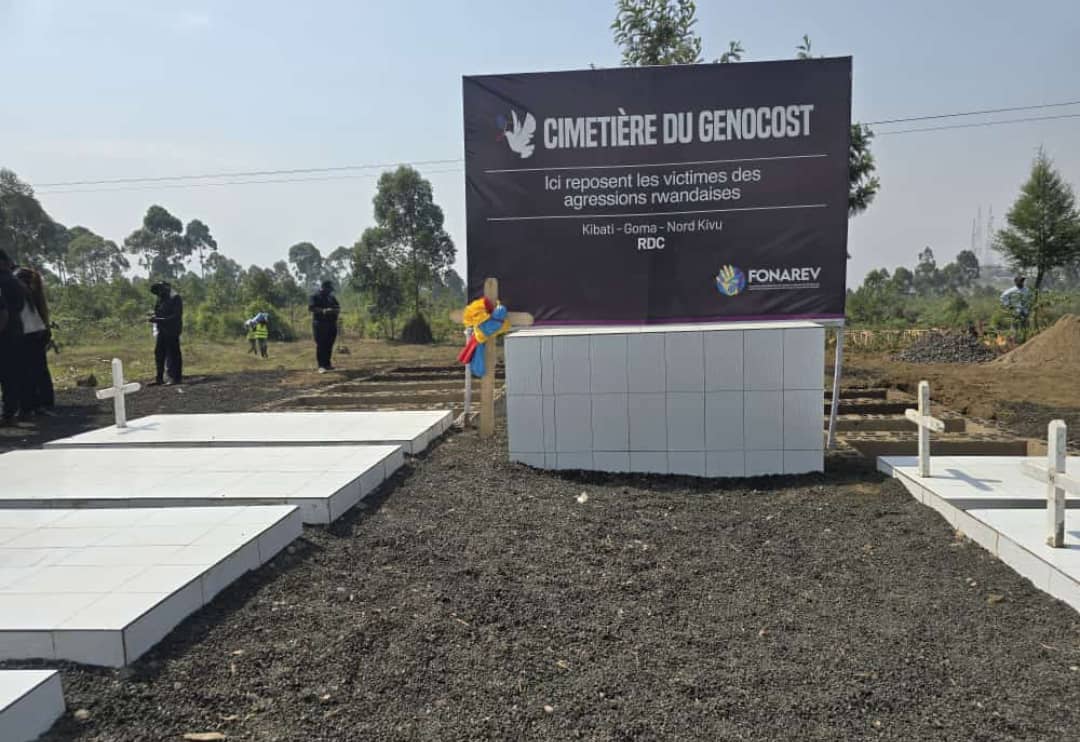
Beni: Victimes des Massacres Réclament Justice et Préservation de la Mémoire
Summary
- Victims of conflicts in Beni, North Kivu, are publicly demanding justice for massacres perpetrated in the region.
- They also seek to preserve the memory of these atrocities to prevent future recurrences.
- These demands were collectively voiced during a commemoration ceremony held on Saturday, August 15, 2026.
- The event took place in Kipriani, a locality within Beni's Boïkene quarter.
Victims Demand Accountability in Beni
The dual emphasis on both justice and memory reflects a comprehensive and holistic approach to confronting past trauma and building a sustainable future.
In a powerful demonstration of their enduring resolve, victims of the various conflicts that have ravaged the Beni region in North Kivu have collectively issued a renewed call for justice. Their demands, articulated during a significant commemoration ceremony, are centered on two critical objectives: securing legal accountability for the profound atrocities committed and ensuring the lasting preservation of the memory of the massacres that have tragically impacted this part of the Democratic Republic of Congo. This poignant and unified plea underscores the deep and ongoing suffering experienced by communities grappling with the aftermath of prolonged violence in the area.
The specific occasion for this public articulation of grievances occurred on Saturday, August 15, 2026. The solemn ceremony was hosted in Kipriani, a community situated within the Boïkene quarter of Beni. This event provided a crucial and symbolic platform for those directly affected by the widespread violence to voice their collective anguish and their unwavering determination to see perpetrators brought to justice, while simultaneously honoring the lives of those who perished. The gathering served as a powerful and visible reminder of the immense human cost exacted by years of conflict.
The Persistent Shadow of Mass Atrocities
The urgent calls for justice emanating from Beni are profoundly rooted in a protracted history marked by severe and repeated acts of violence. The region has tragically endured numerous massacres, which have contributed significantly to the broader instability and humanitarian crisis that continues to plague the eastern Democratic Republic of Congo. These atrocities represent grave and systematic violations of human rights, leaving profound and indelible scars on the social fabric and individual lives within the affected communities. The victims' resolute insistence on justice reflects a fundamental and universal need for recognition of their suffering and for a formal legal process to address these heinous crimes.
The pursuit of accountability in such a complex and conflict-ridden environment is frequently fraught with immense challenges, yet it remains a central and unwavering pillar of the victims' advocacy. Their demands highlight the critical importance of thoroughly investigating these past events and ensuring that all individuals responsible for orchestrating or carrying out the massacres are held liable under both national and international law. This ongoing struggle for legal redress is widely perceived as essential not only for individual healing and psychological recovery but also for establishing a credible deterrent against future violence and fostering a much-needed sense of security and trust among the population.
Preserving Memory as a Foundation for Future Peace
Beyond the immediate legal ramifications and the pursuit of criminal accountability, a significant and deeply meaningful component of the victims' demands is the active preservation of memory. This aspect is considered absolutely vital for preventing the recurrence of such horrific events and for educating future generations about the devastating consequences of conflict, impunity, and the erosion of human dignity. Commemoration ceremonies, such as the one recently held in Kipriani, play an indispensable role in this crucial process, serving as collective acts of remembrance that ensure the experiences, losses, and resilience of the victims are neither forgotten by society nor erased from history.
The dual emphasis on both justice and memory reflects a comprehensive and holistic approach to confronting past trauma and building a sustainable future. It seeks not only to punish those who committed crimes but also to meticulously construct and maintain a historical narrative that accurately reflects the suffering endured and the remarkable resilience demonstrated by the communities. This collective action by the victims in Beni powerfully underscores a universal human right to truth and accountability, asserting that acknowledging past wrongs and remembering those lost is a foundational and indispensable step towards building a more peaceful, just, and equitable future for the entire region.
Source
How does this affect you?
Get an AI analysis of this article grounded in your jurisdictions, practice areas, and any policy documents you've uploaded to Wansom.
Wansom is AI and can make mistakes.