
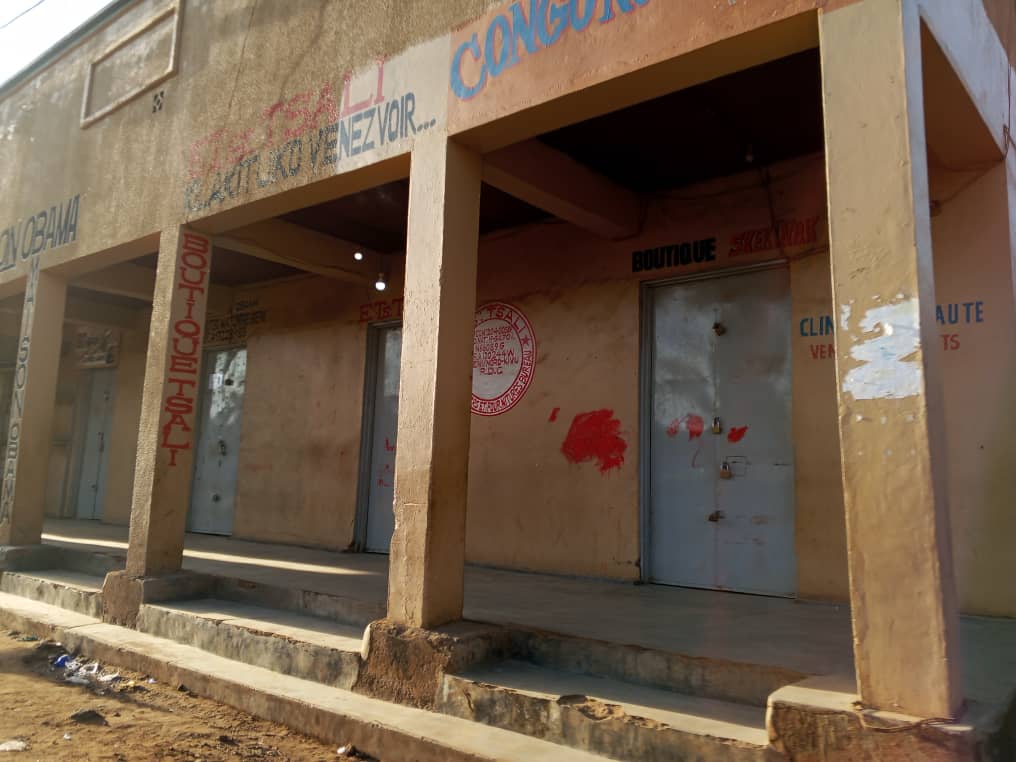
Beni Traders: Strike Over Excessive Tax Pressure Disrupts Nord-Kivu
Summary
- Socio-economic activities in Beni, Nord-Kivu, have been significantly disrupted since Monday, October 26, due to a traders' strike.
- The strike protests against certain taxes and fiscal obligations that traders find difficult to bear.
- Persistent insecurity in the region is a key factor contributing to the traders' inability to meet current tax demands.
- The protest highlights the severe economic impact of insecurity on businesses in Beni.
- This commercial stoppage represents a significant challenge to the current fiscal regime in the Democratic Republic of Congo.
Widespread Commercial Stoppage in Beni
The economic impact of Beni insecurity is a critical factor exacerbating the perceived burden of taxation.
Since Monday, October 26, the city of Beni in Nord-Kivu has experienced significant disruption to its socio-economic activities. This widespread commercial activities disruption stems from a strike initiated by local traders, who have ceased operations to voice their grievances.
The protest specifically targets what the traders describe as excessive tax pressure and other fiscal obligations. They contend that these financial demands are exceptionally difficult to meet, particularly given the prevailing conditions in the region. The collective action underscores a deep-seated frustration among the business community regarding their operational environment.
Context of Heightened Insecurity and Economic Strain
The traders' decision to launch this strike is directly linked to the persistent insecurity that has plagued the Beni area. This ongoing instability creates a challenging environment for businesses, impacting supply chains, customer traffic, and overall operational viability. The economic impact of Beni insecurity is a critical factor exacerbating the perceived burden of taxation.
In this volatile context, the existing tax structure and various fiscal requirements become unsustainable for many local enterprises. The protest highlights a critical disconnect between the financial demands placed on businesses and their capacity to generate revenue amidst constant threats and operational hurdles. This situation has led to a significant Congo business tax protest.
The Nature of the DRC Tax Obligations Protest
The core of the traders' protest revolves around specific taxes and fiscal obligations imposed by the Democratic Republic of Congo (DRC) authorities. While the exact nature of these levies is not detailed, the traders collectively deem them to be an unbearable burden. This sentiment suggests a perceived lack of proportionality between the taxes levied and the economic realities faced by businesses in a conflict-affected zone.
The Beni traders strike tax pressure is a direct challenge to the current fiscal regime, signaling that the local business community finds the existing framework incompatible with their ability to operate profitably and sustainably. Their action represents a clear demand for reconsideration of these financial policies in light of their unique circumstances.
Why It Matters for Regional Stability
The ongoing cessation of commercial activities in Beni carries significant implications for the broader economic stability of Nord-Kivu. Such a prolonged disruption not only impacts the livelihoods of traders and their employees but also affects the availability of goods and services for the general population. This situation could further destabilize a region already grappling with complex security challenges.
For businesses and legal advisors operating in or considering the DRC, this protest serves as a critical indicator of the operational risks and socio-economic pressures present in areas like Beni. It underscores the necessity for a nuanced understanding of local conditions when assessing tax compliance, business continuity, and the potential for shifts in local tax enforcement or policy in regions marked by insecurity and economic strain.
Practical Implications
Lawyers advising businesses operating in Beni, Nord-Kivu, should monitor the ongoing commercial strike and its implications for tax compliance and operational stability. This situation highlights the need to assess business continuity risks and potential changes in local tax enforcement or policy in regions affected by insecurity and economic pressure.
Source
How does this affect you?
Get an AI analysis of this article grounded in your jurisdictions, practice areas, and any policy documents you've uploaded to Wansom.
Finish Reading the Full Story and the Expert Analysis.
Wansom is AI and can make mistakes.