
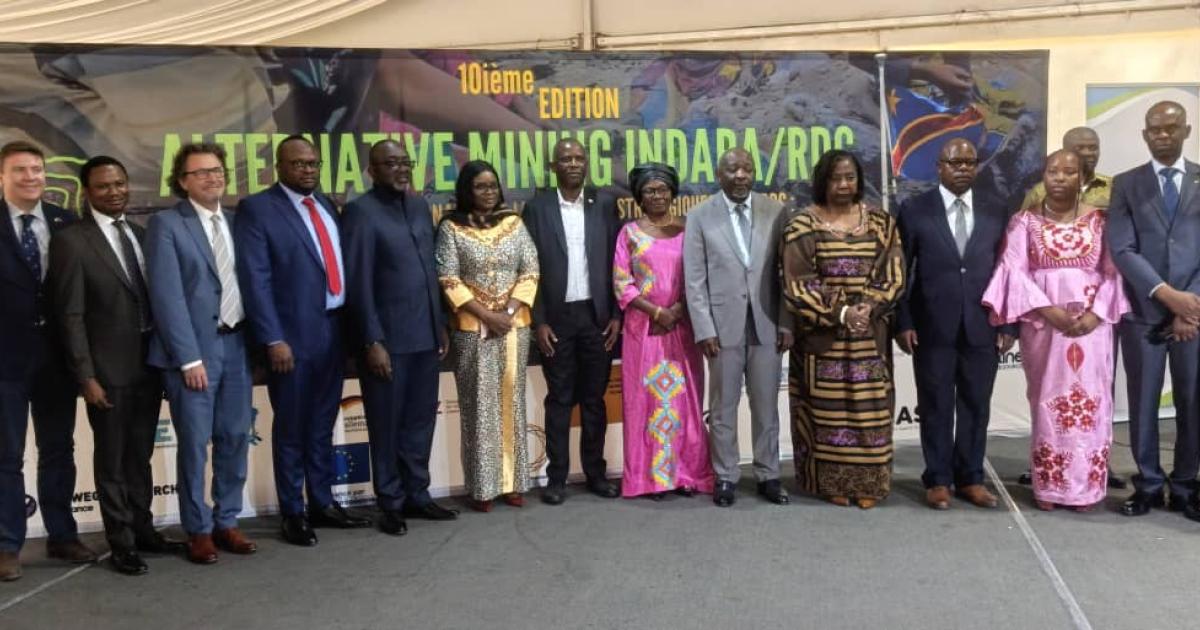
DR Congo: Strategic Mining Agreements Discussed at Indaba
The 10th edition of the Alternative Mining Indaba in the Democratic Republic of Congo (DRC) on October 28, 2026, focused on agreements concerning strategic minerals, specifically addressing how the nation's mineral wealth can better benefit its population. This significant event served as a critical platform for stakeholders to deliberate on the contractual frameworks and policy implications surrounding the extraction and management of the DRC's vital strategic mineral resources.
This focus carries substantial legal significance for practitioners, businesses, and the public, as it underscores the ongoing national discourse on resource sovereignty, equitable benefit sharing, and the transparency of mining contracts. For legal professionals, it signals a potential for increased scrutiny of existing agreements, particularly those involving high-value strategic minerals like cobalt, copper, and lithium, which are essential for global industries. The discussions at such an influential forum can often precede policy shifts or legislative amendments, impacting investment climates and operational requirements for mining companies.
The legal context for these discussions is primarily the DRC's 2002 Mining Code, as significantly amended in 2018. The 2018 revisions aimed to enhance state revenue, increase local content requirements, and ensure greater benefits for the Congolese population, including provisions for higher royalties on strategic minerals. The Alternative Mining Indaba, often a forum for civil society and government dialogue, likely explored the implementation challenges of this code, the transparency of concession agreements, and the role of international investment treaties. Key parties involved in these discussions typically include the Government of the DRC (especially the Ministry of Mines), domestic and international mining companies, civil society organizations, and local communities, all navigating the complex regulatory environment overseen by bodies like the Cadastre Minier (CAMI).
Practitioners advising clients in the DRC's mining sector should closely monitor the outcomes and recommendations emerging from such high-profile events. The emphasis on strategic minerals suggests a heightened regulatory focus and potential for more stringent terms in future agreements or even renegotiations of existing ones. Attorneys must ensure their clients are fully compliant with the 2018 Mining Code, particularly its provisions on local content, environmental protection, and benefit sharing. Furthermore, understanding the political and social pressures for greater local benefit is crucial for risk management and sustainable operations. While the excerpt does not report specific rulings or policy changes, the very nature of the Indaba's focus indicates a dynamic and evolving legal landscape that demands continuous attention from legal professionals.
How does this affect you?
Get an AI analysis of this article grounded in your jurisdictions, practice areas, and any policy documents you've uploaded to Wansom.
Finish Reading the Full Story and the Expert Analysis.
Wansom is AI and can make mistakes.