
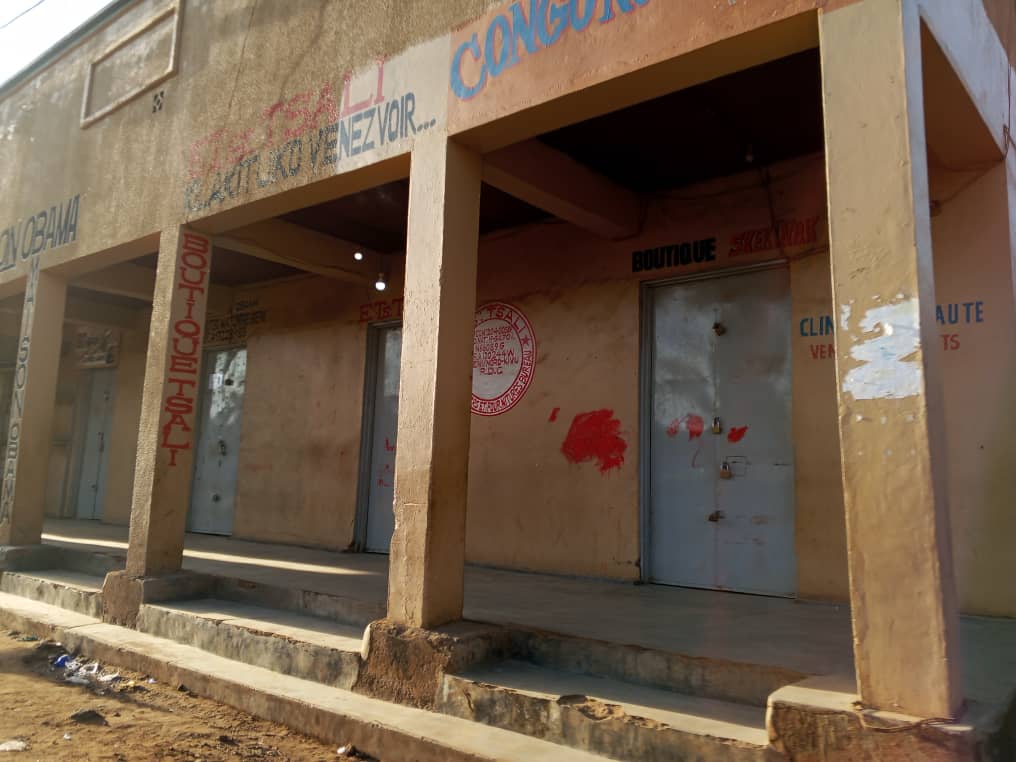
Beni Traders Protest Tax Pressure Amid Insecurity
Traders in Beni, North Kivu, Democratic Republic of Congo, initiated a strike on Monday, October 26, to protest against what they perceive as excessive tax pressure and fiscal obligations amidst persistent insecurity.
This action highlights the tension between government revenue generation and the economic realities faced by businesses in conflict-affected regions. It underscores the potential for civil disobedience to challenge fiscal policies and the need for authorities to balance financial demands with the capacity of the tax base, especially in vulnerable areas. For businesses, it signals the operational risks and potential for supply chain disruptions arising from such protests, as well as the broader challenges of operating in environments with high insecurity and perceived arbitrary taxation.
The legal framework involves the DRC's tax laws and regulations, which govern the imposition and collection of various taxes and fiscal obligations. These would include national and provincial tax codes, decrees, and ordinances. The right to protest, while generally recognized, is often subject to specific legal limitations regarding public order and economic disruption. The context of insecurity in Beni, a region frequently affected by armed groups, adds a layer of complexity, as it impacts the ability of businesses to operate profitably and thus meet tax demands. The interaction between fiscal policy and security conditions is a critical, often overlooked, aspect of legal and economic governance in such regions.
The primary parties are the traders of Beni (the protestors), the local and provincial tax authorities responsible for imposing and collecting the taxes, and potentially the national government of the Democratic Republic of Congo, which sets broader fiscal policy. Radio Okapi is the source reporting the event. The outcome of this matter, including any negotiations or resolutions, is not reported in the excerpt.
Attorneys advising businesses operating in the DRC, particularly in volatile regions like North Kivu, should closely monitor developments related to fiscal policy, local protests, and security conditions. They should advise clients on the legal avenues for challenging tax assessments, the risks associated with non-compliance or operational disruptions due to strikes, and the importance of engaging with local authorities and business associations to advocate for fair and sustainable tax regimes. Understanding the interplay between security, economic viability, and fiscal obligations is crucial for risk management and strategic planning in such challenging environments.
How does this affect you?
Get an AI analysis of this article grounded in your jurisdictions, practice areas, and any policy documents you've uploaded to Wansom.
Finish Reading the Full Story and the Expert Analysis.
Wansom is AI and can make mistakes.