
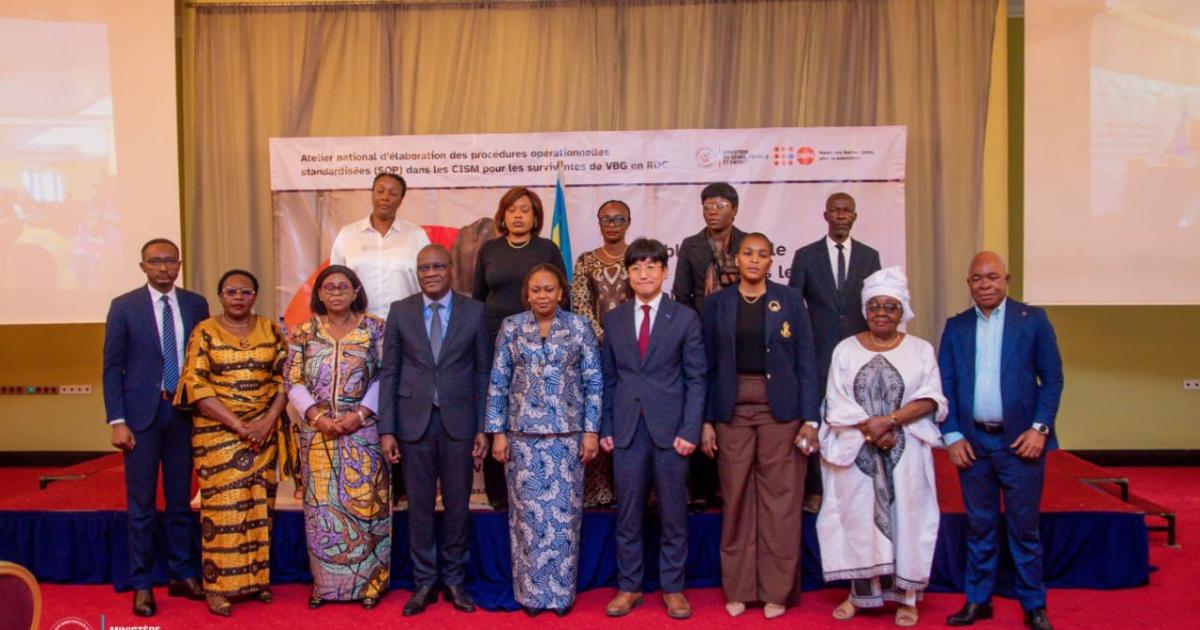
Ministère Genre RDC: Harmonise Normes Communes VBG Centres
Summary
- The Ministry of Gender, Family and Child opened a national workshop in Kinshasa on November 9.
- The workshop aims to harmonize operational procedures for Integrated Multisectoral Service Centers (CISM).
- The goal is to establish common standards for the care of gender-based violence (VBG) survivors in integrated centers in the DRC.
What Happened
The development and implementation of harmonized operational procedures carry profound implications for the provision of care to VBG survivors throughout the Democratic Republic of Congo.
The Ministry of Gender, Family and Child in the Democratic Republic of Congo recently convened a significant national workshop in Kinshasa, which commenced on November 9. This crucial gathering was specifically dedicated to the harmonization of operational procedures for the country's Integrated Multisectoral Service Centers (CISM). The initiative underscores a proactive governmental approach to fortifying the support systems available for vulnerable individuals, particularly survivors of gender-based violence, by ensuring a more unified and effective service delivery model across the nation.
This national atelier in Kinshasa served as a pivotal forum for key stakeholders to engage in detailed discussions regarding the practical implementation and standardization of services. The central objective was to forge a cohesive framework that addresses the multifaceted challenges encountered by these integrated centers, which are indispensable for delivering comprehensive care. By focusing on a unified approach, the workshop aimed to establish a consistent foundation for service provision, thereby enhancing the overall efficacy and reach of support mechanisms throughout the RDC.
The Drive for Harmonization
A primary goal behind this national effort is the establishment of RDC normes communes VBG centres, creating a consistent benchmark for the care of survivors of gender-based violence within integrated facilities across the Democratic Republic of Congo. The harmonisation procédures opérationnelles CISM RDC is considered indispensable for guaranteeing a uniform standard of quality in care and support, irrespective of the geographical location where a survivor seeks assistance. This strategic move by the Ministère Genre Famille Enfant RDC acknowledges the existing disparities in service provision and emphasizes the urgent need for a coherent national strategy to address VBG.
Implementing these common standards is expected to significantly bolster the system for the prise en charge survivantes violences basées genre. Such standardization is not merely an administrative exercise but a critical step towards improving the effectiveness of interventions, streamlining complex processes, and ultimately, fostering a more supportive and predictable recovery environment for those impacted by violence. The commitment to harmonized operational procedures represents a fundamental shift towards a more integrated and impactful national response to gender-based violence.
Why It Matters
The development and implementation of harmonized operational procedures carry profound implications for the provision of care to VBG survivors throughout the Democratic Republic of Congo. These RDC normes communes VBG centres are anticipated to markedly enhance the quality, accessibility, and consistency of services delivered by integrated centers, ensuring that all survivors receive appropriate, evidence-based, and standardized support. This initiative directly confronts the fragmentation of care that can often result from varied practices across different regions or individual facilities, aiming instead for a seamless and equitable experience for every survivor.
Ultimately, this concerted effort is designed to significantly strengthen the national capacity to respond to gender-based violence with greater efficacy and compassion. By establishing a unified framework for integrated services, the RDC is progressing towards a system where the intricate needs of survivors are met with heightened efficiency, professionalism, and empathy, thereby cultivating an environment more conducive to healing, recovery, and the pursuit of justice. The outcomes and subsequent implementation stemming from the Kinshasa atelier national VBG are therefore of paramount importance for shaping the future landscape of survivor support in the country.
Practical Implications
Lawyers advising NGOs, human rights organizations, or social service providers in the DRC should monitor the finalization of these harmonized operational procedures for integrated centers. These standards will likely impact compliance requirements, service delivery protocols, and the legal framework for supporting survivors of gender-based violence, potentially necessitating updates to internal policies or client advice.
Source
How does this affect you?
Get an AI analysis of this article grounded in your jurisdictions, practice areas, and any policy documents you've uploaded to Wansom.
Finish Reading the Full Story and the Expert Analysis.
Get the latest legal & regulatory intelligence in DR Congo
Wansom is AI and can make mistakes.