
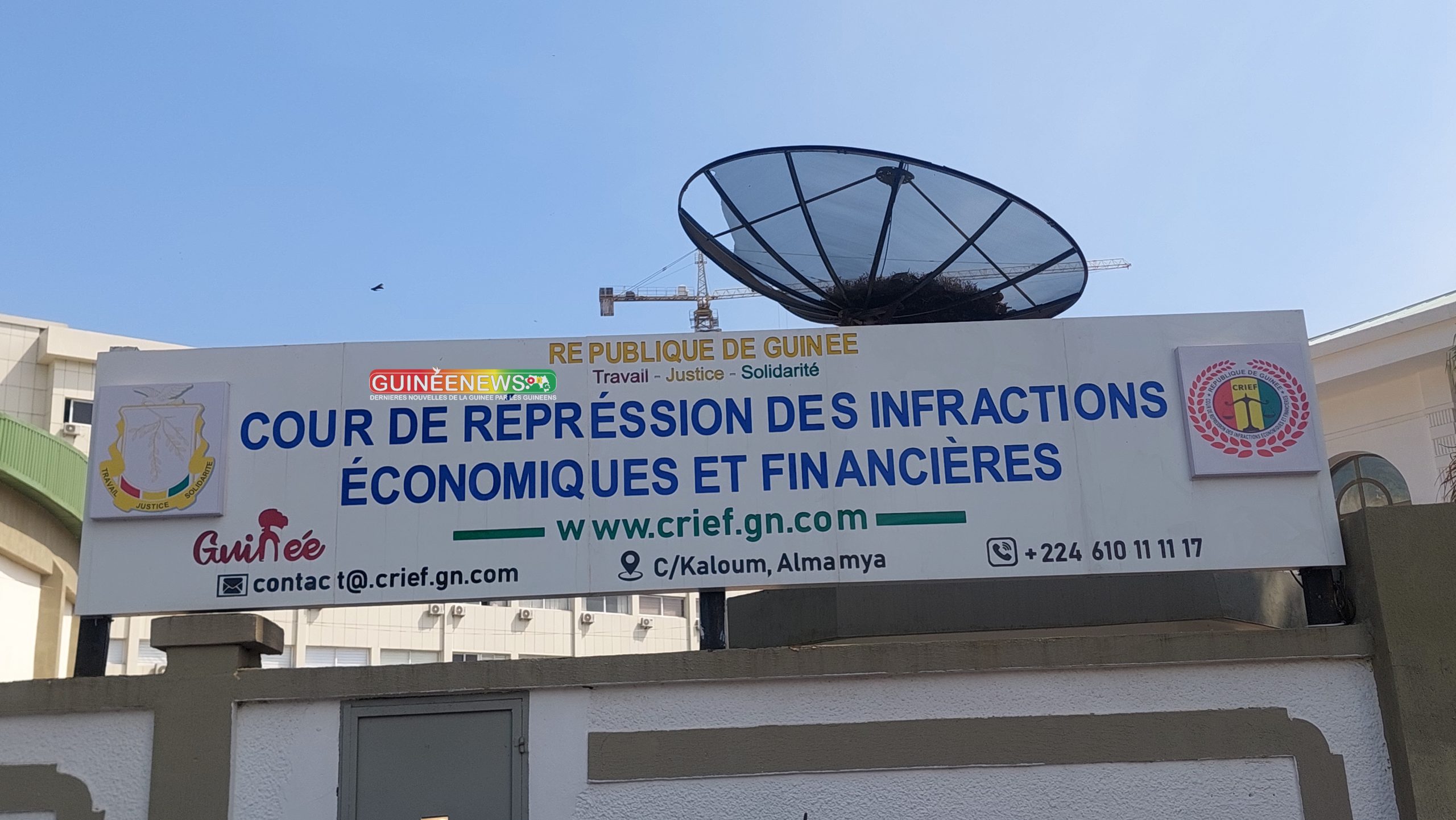
Albert Damantang Camara: CRIEF Procès Reprend Après Recomposition
Summary
- The trial of former Guinean Minister of Security, Albert Damantang Camara, resumed on November 3, 2026.
- Mr. Camara appeared freely before the Judgment Chamber of the Cour de répression des infractions économiques et financières (CRIEF).
- The resumption of the procès Albert Damantang Camara follows a recent recomposition of the CRIEF.
- Aly Badara Komah now presides over the recomposed court.
- This high-profile case is being closely watched for its implications on economic crime prosecution in Guinea.
Resumption of High-Profile Trial
Any procedural shifts or novel interpretations of economic and financial crime law that emerge from these proceedings could establish important precedents, significantly influencing the trajectory of future cases in Guinea.
The legal proceedings against Albert Damantang Camara, formerly Guinea's Minister of Security, recommenced on Tuesday, November 3, 2026, marking a significant moment in the nation's judicial landscape. Mr. Camara appeared before the Judgment Chamber of the Cour de répression des infractions économiques et financières (CRIEF) for the continuation of his trial. This resumption of the Albert Damantang Camara CRIEF procès is a closely watched development, given the defendant's past prominent role within the government.
Notably, the former high-ranking official is not currently in detention, as he appeared freely before the court for this session. This status allows for his active participation in the defense process without the constraints of incarceration. The ongoing case, involving an ancien ministre Sécurité Guinée, underscores the CRIEF's persistent efforts to address alleged economic and financial misconduct, signaling a continued commitment to accountability for individuals who held positions of power. The legal community and the public are keenly observing the progression of these renewed deliberations, anticipating the procedural and substantive outcomes.
Recomposition of the Judicial Panel
The catalyst for the renewed hearing was a recent and significant structural adjustment within the CRIEF itself. The court underwent a comprehensive recomposition, leading to a new configuration of its judicial panel. This CRIEF recomposition Cour is a pivotal factor in the current proceedings, as it introduces a fresh perspective and potentially new judicial philosophies to the bench overseeing the high-profile case. The changes reflect an institutional effort to ensure robust and impartial adjudication of complex financial crimes.
Presiding over the newly constituted chamber is Aly Badara Komah, who now holds the leadership position, bringing his expertise to the forefront of these critical trials. The appointment of Aly Badara Komah CRIEF as president signals a new chapter for the court, potentially influencing the procedural dynamics, the rigor of evidence assessment, and the interpretive approaches to the legal frameworks governing economic offenses. Such shifts in judicial leadership often bring about notable changes in courtroom management and the application of legal principles, aspects that will be meticulously scrutinized in the context of the procès Albert Damantang Camara.
Broader Implications for Economic Justice
The ongoing trial of Albert Damantang Camara before the Cour de répression des infractions économiques et financières carries substantial weight, extending beyond the individual defendant to the broader framework of governance and anti-corruption efforts in Guinea. It serves as a crucial indicator of the nation's resolve in combating corruption and financial malfeasance, particularly at the highest echelons of power. The CRIEF's establishment and its active role are central to this endeavor, specifically mandated to address complex economic crimes that often involve the misuse of public funds or the abuse of official authority.
Legal professionals and observers are particularly keen to monitor how the recomposed court, under the leadership of President Aly Badara Komah, navigates the intricate details and legal challenges presented by this case. Any procedural shifts or novel interpretations of economic and financial crime law that emerge from these proceedings could establish important precedents, significantly influencing the trajectory of future cases in Guinea. The ultimate outcome, alongside the transparency and fairness of the judicial process, will undoubtedly shape public confidence in the legal system's capacity to ensure accountability for all, including former high-ranking officials. The handling of this case will be a benchmark for the CRIEF's effectiveness and independence.
Practical Implications
Lawyers should closely monitor the resumed CRIEF proceedings against Albert Damantang Camara, particularly for any procedural shifts or new interpretations of economic and financial crime law arising from the newly recomposed court under President Aly Badara Komah, as these could establish important precedents for future cases in Guinea.
Source
How does this affect you?
Get an AI analysis of this article grounded in your jurisdictions, practice areas, and any policy documents you've uploaded to Wansom.
Wansom is AI and can make mistakes.