
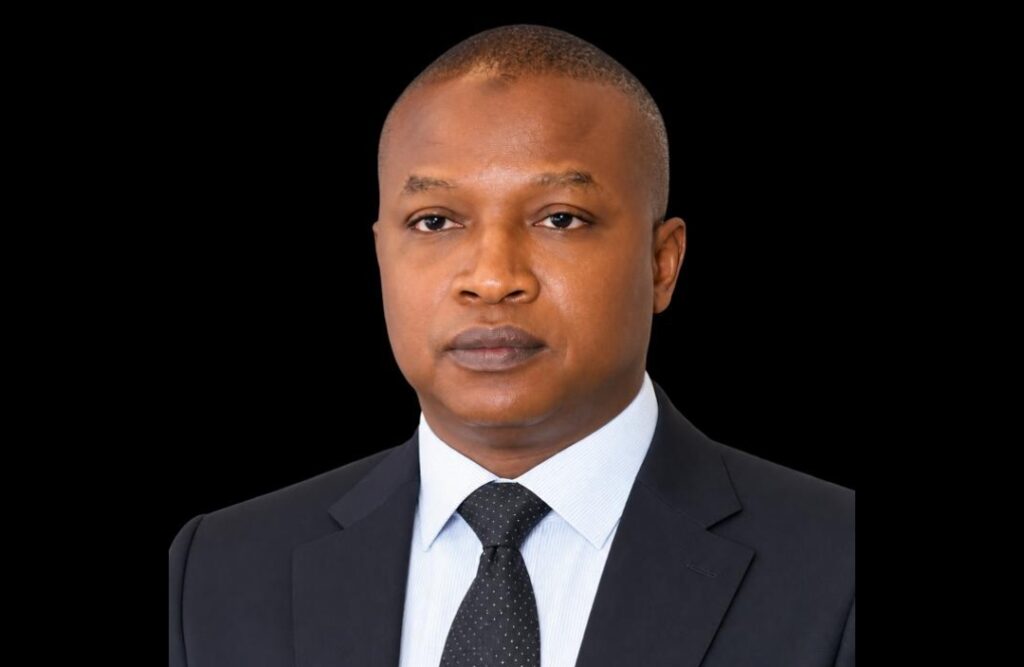
Al Aminou Lô: DPG Sénégal 2050 Plan Details Debt Reprofiling
Summary
- Prime Minister Al Aminou Lô delivered his Déclaration Politique Générale Sénégal, presenting a technocratic and fact-based approach to governance.
- He addressed national debt, confirming 1,956 billion FCFA (approximately $3.5 billion USD) in arrears and proposing debt reprofiling instead of traditional restructuring.
- The Prime Minister announced that around thirty mining agreements are currently under renegotiation, signaling a review of resource contracts.
- Lô positioned the `Sénégal 2050` transformation agenda as a long-term national architecture designed to outlast political changes, emphasizing continuity.
- His presentation, delivered under the presidency of Ousmane Sonko, strategically avoided direct confrontation with the parliamentary majority, focusing on instruments and figures.
Prime Minister Lô's Strategic Parliamentary Address
Al Aminou Lô's demonstration of mastery over the `Sénégal 2050` architecture and its execution conditions underscored a political message of stability and consistent governance that extended beyond the immediate budgetary discussions.
During a recent parliamentary session, Prime Minister Al Aminou Lô delivered his Déclaration Politique Générale Sénégal, adopting a technocratic and fact-based approach. This strategy, reportedly recommended by his predecessor, aimed to present detailed explanations, mechanisms, and figures rather than being dictated by the pace of the broad parliamentary majority. The session saw the PASTEF majority allocated 188.5 minutes of speaking time out of a four-hour debate, while Takku-Wallu and non-registered members received 20 minutes in the initial round. The proceedings were notably presided over by Ousmane Sonko.
Al Aminou Lô, an economist and banker born in 1966, bringing 60 years of experience including a tenure at the BCEAO, joined the government in April 2024. He first served as Secretary General of the Government before assuming the role of Minister of State responsible for overseeing the national transformation agenda, `Sénégal 2050`. His extensive background and deep understanding of governmental files allowed him to navigate the parliamentary discourse with authority, focusing on the state's constraints when addressing critical issues such as national debt, engagements with the International Monetary Fund (FMI), the cost of living, and the balance between political change and governmental continuity.
Economic Strategy and Debt Management Under `Sénégal 2050`
A significant portion of the Prime Minister's address focused on Senegal's economic realities, particularly concerning its financial obligations. The debate around the FMI was grounded in concrete financial data, revealing arrears amounting to 1,956 billion FCFA, which translates to approximately 3.5 billion US dollars. The government's proposed solution involves a reprofiling of this debt rather than a conventional restructuring, indicating a nuanced approach to managing the `dette FMI Sénégal`.
Further underscoring the government's proactive economic agenda, Al Aminou Lô confirmed that approximately thirty mining agreements are currently undergoing renegotiation. This initiative highlights a broader commitment to reviewing existing contracts and potentially reshaping the regulatory landscape for natural resources, a key component of the `Sénégal 2050` transformation. These discussions, including the `accords miniers renégociation`, were framed to shift the parliamentary exchange from ideological debates to practical instruments and available solutions, as evidenced by interactions with deputies like Abdou Karim Sall, who acknowledged that his concerns regarding the FMI and debt restructuring had been addressed.
The Enduring Vision of `Sénégal 2050` and Governmental Continuity
Central to Al Aminou Lô's presentation was the `Sénégal 2050` framework, which he positioned not as the project of a single leader, but as a robust architectural plan designed to transcend changes in political administrations. His administrative trajectory and intimate knowledge of the dossier, having coordinated the team that translated the electoral program into this national framework and supervised its initial master plan implementation from the Primature, were crucial. Upon his appointment to the Primature on May 25, 2026, he had already articulated a commitment to continuity, a stance he reiterated during his address.
This emphasis on the `Sénégal 2050 plan continuité` served to integrate the long-term vision into a collective national history, ensuring its relevance beyond immediate political cycles. Despite Ousmane Sonko's previous assertion that his successor played a role in the strained relations between Pastef and the head of state, Al Aminou Lô's demonstration of mastery over the `Sénégal 2050` architecture and its execution conditions underscored a political message of stability and consistent governance that extended beyond the immediate budgetary discussions. Sonko himself had previously acknowledged their collaborative work, stating, "I worked with him for a year and a half and we did colossal work in drafting the frameworks, notably that of `Sénégal 2050`."
Navigating Political Dynamics and Affirming Executive Control
Prime Minister Al Aminou Lô's parliamentary strategy was characterized by a deliberate avoidance of direct confrontation with the majority PASTEF, instead focusing on a clear, technocratic exposition of facts and figures. This approach allowed him to effectively reclaim the parliamentary narrative, as noted in an analysis by Xibaaru, without engaging in ideological disputes. When questioned by El Malick Ndiaye about changes in leadership and the continued relevance of `Sénégal 2050`'s directions, Al Aminou Lô distinguished between the strategic direction, which he affirmed as pertinent, and the methods, pace, and execution, which are subject to adaptation.
This strategic posture confirmed Al Aminou Lô's commitment to his role as an executor of the national transformation agenda. His presentation underscored a dedication to defending the continuity of governmental instruments and the solidity of financial data, reinforcing his image as a pragmatic leader focused on implementation. By emphasizing the enduring nature of `Sénégal 2050` and the technical aspects of governance, the Prime Minister effectively asserted executive control over the policy discourse.
Practical Implications
The Prime Minister's DPG presentation signals the government's commitment to the 'Sénégal 2050' transformation agenda and its approach to economic policy, including debt management and the renegotiation of mining agreements. Lawyers should monitor the implementation of Sénégal 2050 for regulatory impacts and be aware of potential shifts or reviews in existing mining contracts as the government pursues renegotiations.
Source
Source: Original reporting via Xibaaru
How does this affect you?
Get an AI analysis of this article grounded in your jurisdictions, practice areas, and any policy documents you've uploaded to Wansom.
Finish Reading the Full Story and the Expert Analysis.
Get the latest legal & regulatory intelligence in Senegal
Wansom is AI and can make mistakes.