
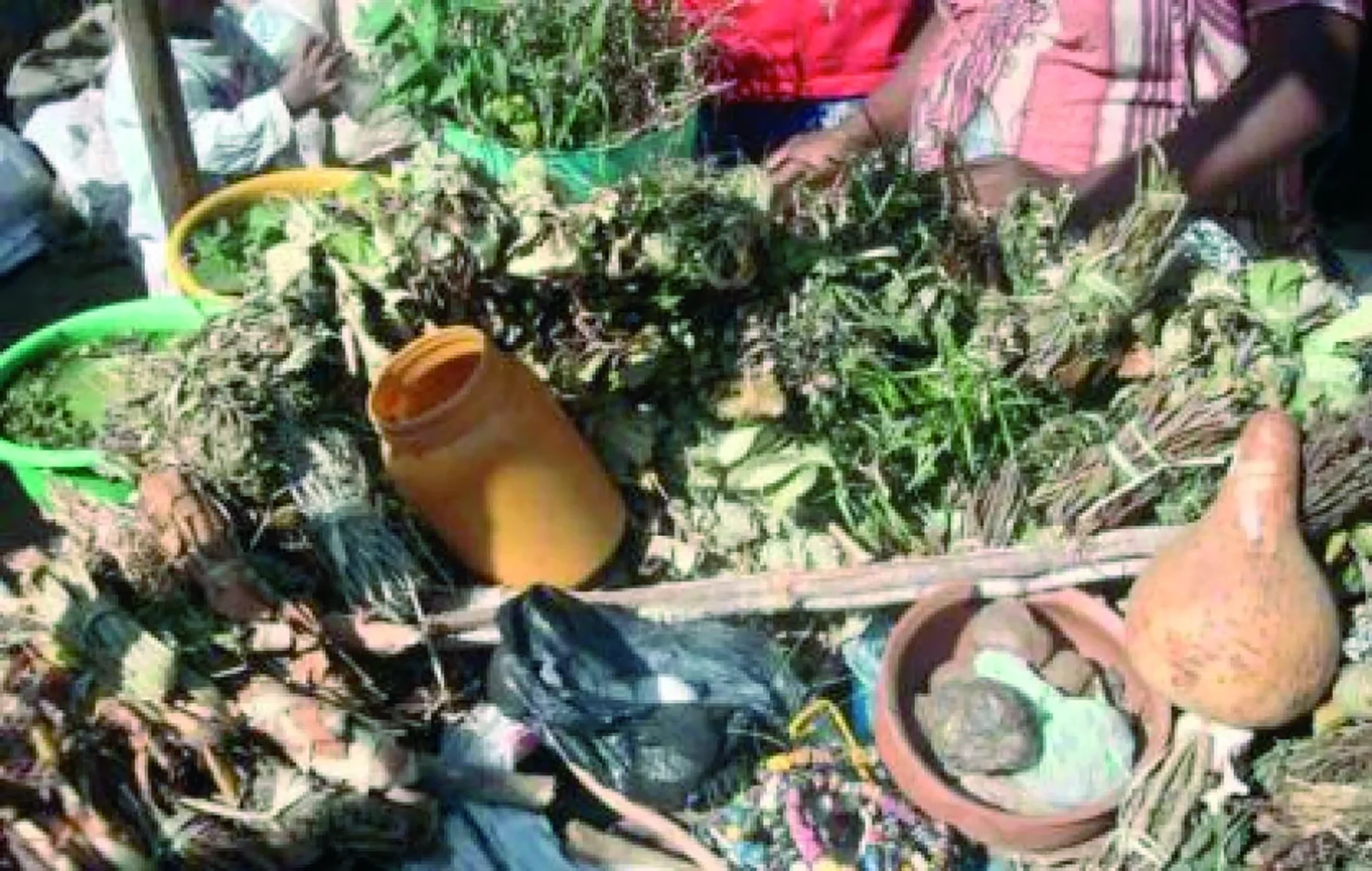
Sénégal: Nouveau Projet Loi Médecine Traditionnelle Avance
Summary
- Senegal is currently developing a new draft law to regulate traditional medicine, building on a previous 2017 draft law that was not enacted.
- The regulation of traditional medicine is a significant issue for Senegal's health system, addressing a nine-year period of unresolved questions.
- The proposed legislation aims to recognize traditional practitioners and organize their practice within a formal framework.
- Key objectives include valuing indigenous knowledge and protecting the population from unsafe practices.
- An adapted legal framework is deemed essential for integrating traditional medicine safely and effectively into the national healthcare system.
A New Legislative Initiative
The effective réglementation médecine traditionnelle Sénégal is seen as essential for several key reasons.
Senegal is currently advancing a new draft law aimed at regulating traditional medicine, marking a significant development for the nation's healthcare landscape. This legislative effort, referred to as the Sénégal nouveau projet loi médecine traditionnelle, seeks to establish a comprehensive framework for practices that have long been integral to the country's health traditions. The introduction of this new bill underscores the ongoing commitment to formalizing and integrating traditional healing methods within the broader public health system.
This proposed legislation is not the first attempt to address the unique challenges and opportunities presented by traditional medicine. It follows a previous draft law from 2017 that was transmitted to the National Assembly but never enacted, indicating a sustained, albeit complex, journey towards effective regulation. The continued focus on this area highlights its critical importance to the Senegalese health system, where traditional practices play a substantial role in community well-being and access to care.
Addressing Long-Standing Gaps
The path to a robust regulatory system for traditional medicine in Senegal has been protracted, characterized by a nine-year period during which many fundamental questions have remained unresolved. This extended wait underscores the intricate nature of establishing a framework that respects cultural heritage while ensuring public safety and efficacy. The current push for a new draft law aims to provide definitive answers and a stable structure where previous efforts may have fallen short.
The effective réglementation médecine traditionnelle Sénégal is seen as essential for several key reasons. It is designed to formalize the status of traditional practitioners, ensuring their recognition within the healthcare system. Furthermore, it seeks to organize the practice of traditional medicine, setting standards and guidelines for its application. This structured approach is vital for both the practitioners and the populations they serve, providing clarity and accountability.
Core Objectives of the Framework
At the heart of this new legislative initiative are several crucial objectives. One primary goal is the recognition praticiens traditionnels Sénégal, granting them official standing and integrating them more formally into the national health infrastructure. This recognition is expected to empower practitioners while also subjecting their activities to a defined set of rules and ethical considerations. The law also aims to organize the practice of traditional medicine, which includes defining scopes of practice, training requirements, and operational standards.
Beyond the practitioners themselves, the draft law places significant emphasis on valuing indigenous knowledge, acknowledging the rich heritage of traditional healing methods passed down through generations. This aspect of the legislation seeks to preserve and promote these valuable cultural assets. Crucially, the framework is also designed to protect the population, ensuring that traditional medical practices are conducted safely and ethically, thereby safeguarding public health and preventing potential harm. The development of an adapted cadre juridique santé Sénégal is therefore paramount to achieving these multifaceted goals.
Significance for Public Health
The regulation of traditional medicine represents a significant issue for the Senegalese health system, impacting everything from public trust to the efficacy of healthcare delivery. By providing a clear and adapted legal framework, the new draft law seeks to enhance the overall quality and safety of traditional medical practices. This integration and formalization are expected to contribute positively to national health outcomes, particularly in areas where access to conventional medicine may be limited.
Ultimately, the success of this Sénégal nouveau projet loi médecine traditionnelle hinges on its ability to strike a balance between preserving traditional practices and ensuring modern standards of health and safety. It represents a critical step in evolving the nation's healthcare system to be more inclusive, regulated, and responsive to the diverse health needs of its citizens, addressing long-standing questions and establishing a clear path forward for traditional medicine.
Practical Implications
Lawyers advising healthcare providers, traditional practitioners, or businesses involved in natural remedies in Senegal should closely monitor the progress of this new draft law, as it will likely introduce significant changes to the regulatory framework for traditional medicine practice and product commercialization, potentially impacting licensing, compliance, and market access.
Source
How does this affect you?
Get an AI analysis of this article grounded in your jurisdictions, practice areas, and any policy documents you've uploaded to Wansom.
Wansom is AI and can make mistakes.