
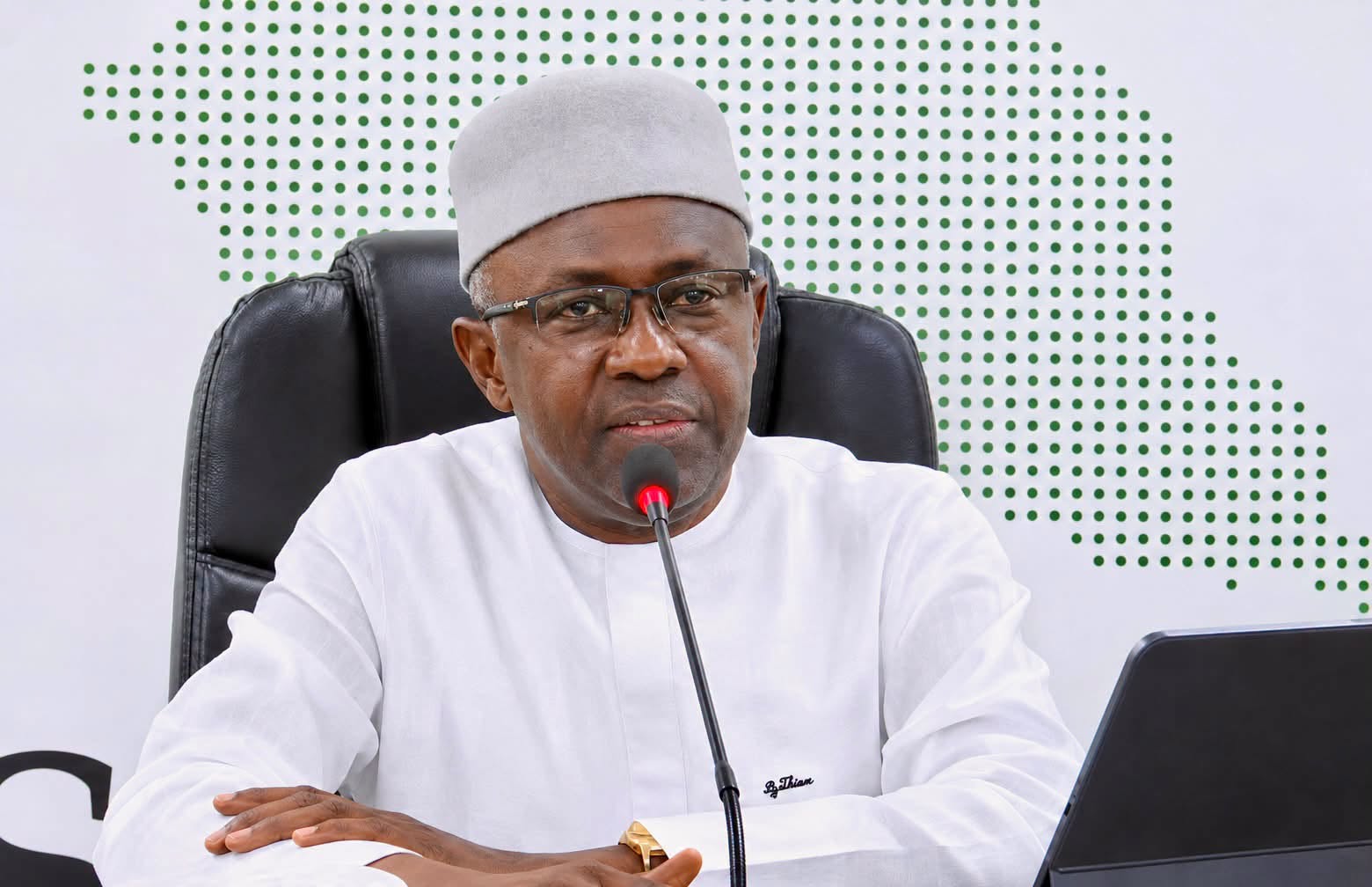
Libasse Diop GAIPES: Criticizes Sénégal Pêche Licences Process
Summary
- Libasse Diop, president of GAIPES, testified before a parliamentary commission on November 4, 2026, criticizing the administrative process for industrial fishing licenses.
- Diop stated that GAIPES representatives often receive evaluation dossiers on the same day as meetings, preventing thorough review of vessel technical characteristics.
- The Parliamentary Inquiry Commission, unanimously created, is examining license conditions since the 2015 Maritime Fishing Code.
- The inquiry also scrutinizes the Consultative Commission for License Allocation and the role of private actors in maritime resource regulation.
- Former Minister Fatou Diouf and UPAMES president Salif Mandiang were also questioned by the commission as part of its investigation.
Key Testimony Before Parliamentary Inquiry
The concerns raised by Libasse Diop underscore significant procedural vulnerabilities within Senegal's industrial fishing license allocation system, particularly regarding the ability of oversight bodies to conduct thorough evaluations.
Libasse Diop, who serves as the president of the Groupement des Armateurs et Industriels de la Pêche au Sénégal (GAIPES), appeared before the Parliamentary Inquiry Commission on November 4, 2026, at the National Assembly. During his audition, Diop voiced strong criticisms regarding the administrative processes governing the allocation of industrial fishing licenses in Senegal. His testimony highlighted a critical flaw: representatives from GAIPES frequently receive evaluation dossiers for these licenses on the very day that meetings are scheduled to discuss them.
Diop emphasized that these extremely tight deadlines render it impossible to conduct a comprehensive review of the technical specifications and characteristics of the vessels involved. This procedural inadequacy, he argued, undermines the integrity of the licensing process. He further committed to providing the deputies with a detailed history of all alert letters that GAIPES has previously sent to the state, documenting their concerns over time. This `Libasse Diop audition Assemblée nationale` is a pivotal moment in the ongoing scrutiny of `Sénégal licences pêche industrielle`.
Legal and Regulatory Scrutiny
The Parliamentary Inquiry Commission, chaired by Deputy Oulimata Sidibé, was established with unanimous support, securing 129 out of 129 votes. Its primary mandate is to thoroughly examine the conditions under which industrial fishing licenses have been granted and renewed since the implementation of the `Code de la pêche maritime 2015 Sénégal`, which is currently undergoing revision. This broad scope ensures a deep dive into the regulatory framework that underpins the nation's fishing industry.
The inquiry also delved into the operational aspects of the Consultative Commission for License Allocation, as well as the influence and role of private sector stakeholders in the management of maritime resources. Prior to Diop's appearance, the `Commission d'enquête parlementaire licences pêche` had already questioned other key figures. On October 21, Salif Mandiang, president of the Union patronale des mareyeurs exportateurs du Sénégal (UPAMES), was interrogated regarding his organization's involvement in the Consultative Commission and potential conflicts of interest. Additionally, Fatou Diouf, who served as Minister of Fisheries and Maritime Economy from April 2024 to June 2026, announced on November 2 that she would comply with the deputies' summons.
Implications for Fishing Sector Governance
The concerns raised by Libasse Diop underscore significant procedural vulnerabilities within Senegal's industrial fishing license allocation system, particularly regarding the ability of oversight bodies to conduct thorough evaluations. His critique of `GAIPES procédures licences pêche`, where critical documents are provided at the last minute, points to systemic issues that could have far-reaching consequences for the sustainability and transparency of the sector. Diop, who assumed leadership of GAIPES in July 2024, succeeding Saër Sarr, is a key voice in this ongoing debate.
This parliamentary inquiry into `Libasse Diop GAIPES licences pêche Sénégal` signals a concerted effort to enhance accountability and reform the governance of Senegal's vital fishing industry. The examination of how licenses have been issued and renewed since the 2015 Code came into force suggests a potential for significant policy adjustments or stricter enforcement measures. The commitment to review past alert letters further indicates a recognition of long-standing issues that now demand urgent attention from legislative bodies.
Practical Implications
Lawyers advising clients in Senegal's industrial fishing sector should closely monitor the parliamentary inquiry into fishing license procedures. The highlighted issues regarding insufficient time for dossier review by GAIPES could lead to legal challenges concerning the validity of existing licenses or future compliance risks for companies operating under potentially flawed administrative processes. This inquiry may also signal upcoming reforms to the 2015 Maritime Fishing Code.
Source
How does this affect you?
Get an AI analysis of this article grounded in your jurisdictions, practice areas, and any policy documents you've uploaded to Wansom.
Wansom is AI and can make mistakes.