
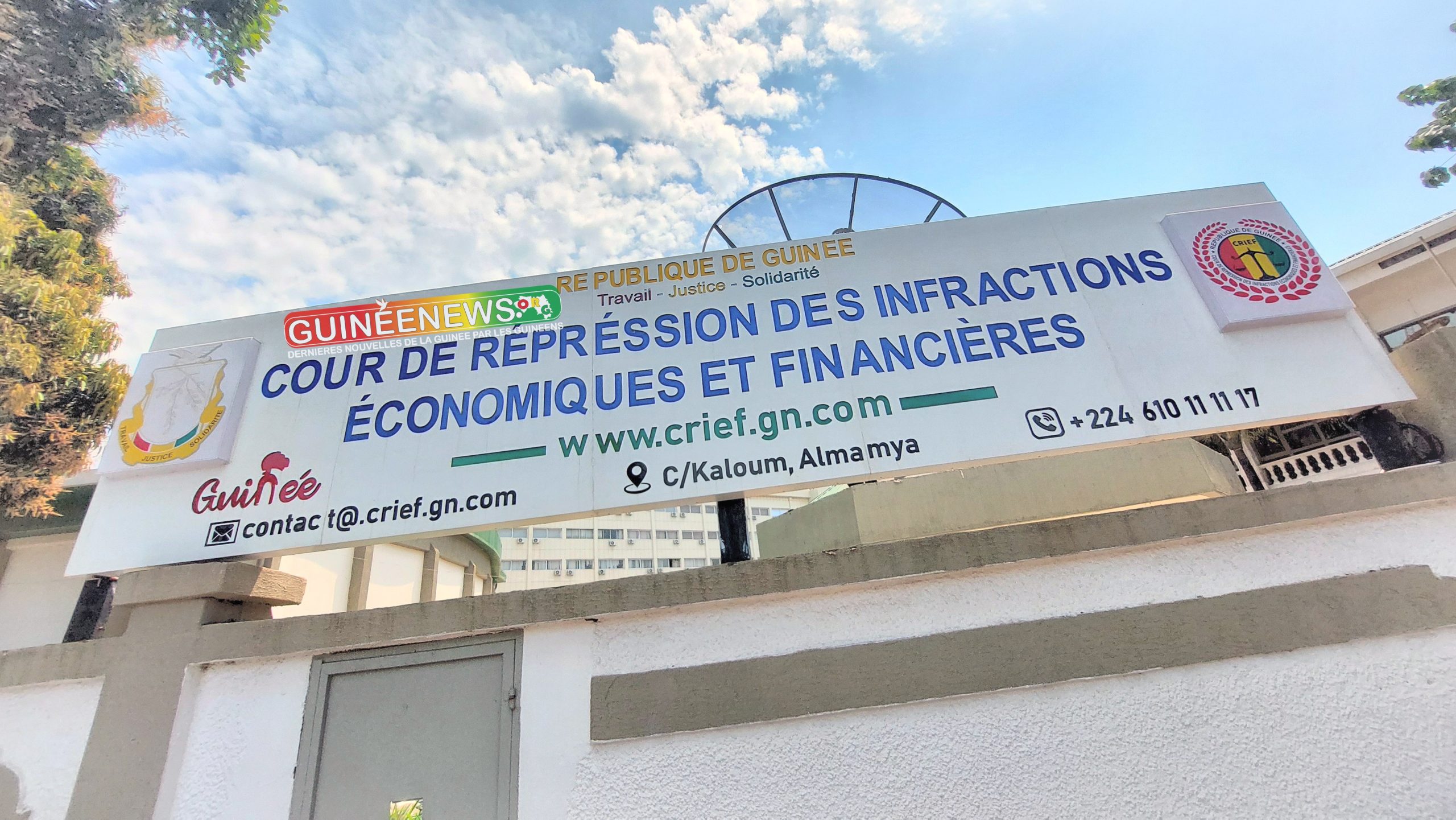
Ahmed Sékou Traoré CRIEF Procès: Ratoma Ex-President Questioned on Financials
Summary
- Ahmed Sékou Traoré, former president of Ratoma's special delegation, is currently on trial.
- The proceedings are taking place before the Judgment Chamber of the Court for the Repression of Economic and Financial Offenses (CRIEF).
- On November 2, 2026, Traoré faced questions regarding the financial management of the communal entity.
- The court is examining the revenues and expenditures from his tenure as part of an ongoing investigation.
- This trial highlights Guinea's intensified efforts to combat economic and financial infractions by public officials.
What Happened
For legal professionals advising public sector clients or officials, this trial emphasizes the critical need for robust internal controls and meticulous documentation of all financial transactions.
The judicial proceedings involving Ahmed Sékou Traoré, who previously served as the president of Ratoma's special delegation, advanced this past Monday, November 2, 2026. During the session held before the Judgment Chamber of the Court for the Repression of Economic and Financial Offenses (CRIEF), Mr. Traoré was subjected to detailed questioning regarding his financial stewardship. The court's focus centered on the fiscal operations of the communal administration under his leadership.
Specifically, the former communal official was pressed to account for both the income generated and the expenses incurred by the Ratoma entity during his tenure. This line of inquiry forms a critical component of the ongoing examination into alleged financial irregularities. The session aimed to clarify the financial records and decisions made by the special delegation, bringing the former leader face-to-face with the figures from his administration.
Legal Framework and Proceedings
The CRIEF, or Cour de répression des infractions économiques et financières, serves as a specialized judicial body in Guinea, specifically tasked with prosecuting cases involving economic and financial misconduct. Its establishment reflects a concerted effort by the Guinean authorities to combat corruption and ensure accountability within public administration. The current trial of Ahmed Sékou Traoré falls squarely within the jurisdiction and mandate of this court, highlighting its role in addressing alleged abuses of public trust.
The proceedings against the former Ratoma délégation spéciale président are indicative of a broader governmental initiative to scrutinize the financial management practices of public officials across various levels. By bringing such cases before the CRIEF, the state aims to deter future infractions and reinforce principles of transparency and integrity in the handling of public funds. This particular hearing, where Traoré was confronted with the specifics of his financial decisions, underscores the rigorous approach taken by the court in examining evidence related to economic and financial offenses.
Broader Implications for Public Accountability
The ongoing Ahmed Sékou Traoré CRIEF procès carries significant weight beyond the immediate case, signaling a heightened era of accountability for public officials in Guinea. The detailed examination of revenues and expenditures from the Ratoma communal entity under Traoré's leadership serves as a stark reminder of the stringent financial oversight now being applied. This judicial scrutiny underscores the imperative for all public sector leaders to maintain impeccable financial records and adhere to transparent reporting standards.
For legal professionals advising public sector clients or officials, this trial emphasizes the critical need for robust internal controls and meticulous documentation of all financial transactions. The potential for prosecution for economic and financial infractions, as demonstrated by the Cour de répression Guinée, necessitates a proactive approach to compliance. Ensuring stringent financial oversight and transparent reporting is no longer merely good practice but a fundamental requirement to mitigate the risks of facing similar legal challenges in the future. The outcome of this particular Guinée corruption procès will undoubtedly contribute to shaping expectations for public financial management moving forward.
Practical Implications
This ongoing trial before the CRIEF underscores the heightened scrutiny of financial management by public officials in Guinea. Lawyers advising public sector clients or officials should emphasize stringent financial oversight and transparent reporting to mitigate risks of prosecution for economic and financial infractions.
Source
Source: Based on local judicial reports
How does this affect you?
Get an AI analysis of this article grounded in your jurisdictions, practice areas, and any policy documents you've uploaded to Wansom.
Wansom is AI and can make mistakes.