
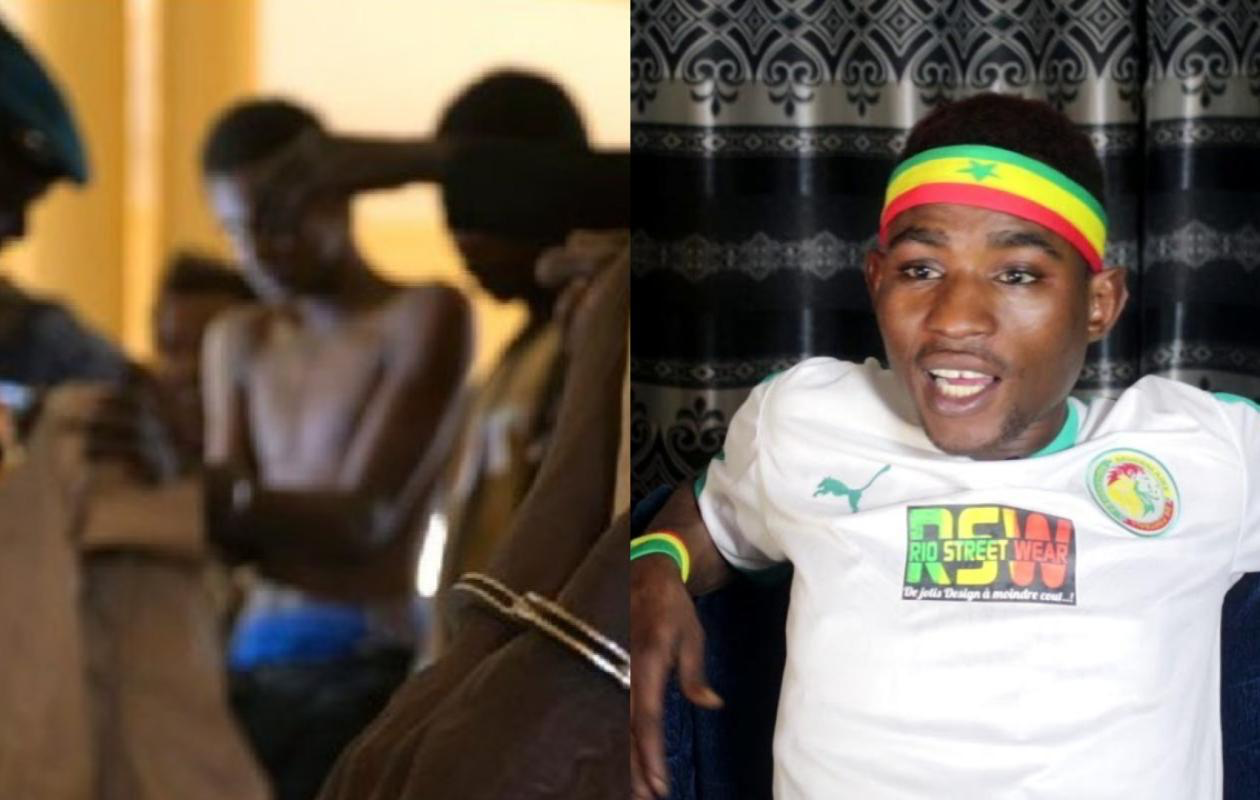
Sénégal: Affaire Ouzin Keïta Instruction Bouclée, 15 Renvois Demandés
Summary
- The judicial investigation into the case involving comedian Ousseynou Keïta, known as Ouzin Keïta, has concluded.
- The public prosecutor has issued a final indictment, recommending that all 15 defendants be referred to the correctional court.
- Charges include criminal conspiracy, unnatural acts, pimping, voluntary transmission of HIV/AIDS, fraud, and blackmail.
- This development means the 'Affaire Ouzin Keïta' is now awaiting the decision of the senior investigating judge regarding referral to a public trial in Senegal.
Investigation Concludes in High-Profile Case
The prosecutor's final indictment requests that all fifteen individuals implicated in the matter be referred to the correctional court.
The judicial inquiry into the high-profile case involving comedian Ousseynou Keïta, widely known as Ouzin Keïta, has officially concluded. This significant development marks a pivotal moment in the legal proceedings that have garnered considerable public attention in Senegal.
Following the completion of the investigation, the public prosecutor, or 'parquet' in the Senegalese legal system, has issued its definitive indictment. This formal document outlines the prosecution's findings and recommendations based on the evidence gathered throughout the inquiry.
Crucially, the prosecutor's final indictment requests that all fifteen individuals implicated in the matter be referred to the correctional court. This recommendation signals the prosecution's belief that there is sufficient evidence to proceed with a full trial against the defendants, including Ouzin Keïta, on a range of serious charges.
Grave Accusations Detailed Against Defendants
The charges leveled against the fifteen defendants are extensive and severe, encompassing a spectrum of alleged criminal activities. Among the accusations is 'association de malfaiteurs,' which translates to criminal conspiracy, indicating an organized effort to commit unlawful acts. The indictment also includes 'actes contre nature,' or unnatural acts, a charge that often pertains to certain sexual offenses under Senegalese law.
Further compounding the gravity of the situation are charges of 'proxénétisme,' or pimping, suggesting involvement in organized prostitution. Perhaps one of the most serious allegations is the 'transmission volontaire du VIH-Sida,' or voluntary transmission of HIV/AIDS, which carries profound legal and public health implications. Additionally, the defendants face accusations of 'escroquerie' (fraud) and 'chantage' (blackmail), pointing to alleged financial misconduct and coercive tactics.
These diverse charges underscore the multifaceted nature of the 'Affaire Ouzin Keïta,' highlighting a complex web of alleged offenses that the correctional court will now be tasked with examining. The breadth of the accusations, from public health concerns to financial crimes and moral offenses, reflects the comprehensive scope of the investigation conducted by the Senegalese authorities.
Next Steps in the Legal Process
The prosecutor's request for the referral of all fifteen defendants to the correctional court represents the next critical phase in this legal saga. This request means that the case will now await the decision of the senior investigating judge, who will determine whether to refer the defendants to a public trial in the correctional court.
For Ouzin Keïta and the other fourteen individuals, this development signifies that they will soon face formal proceedings in court to answer to the serious allegations, should the senior investigating judge concur with the prosecutor's request. The correctional court is responsible for hearing cases involving misdemeanors and certain felonies, and its proceedings will determine the guilt or innocence of the accused based on the evidence presented.
The progression of the 'Affaire Ouzin Keïta' to this stage underscores the Senegalese legal system's commitment to addressing such grave accusations. The public will now await the decision of the senior investigating judge and, subsequently, the commencement of the trial, which is expected to shed further light on the details of the alleged criminal activities and their implications for all parties involved.
Source
How does this affect you?
Get an AI analysis of this article grounded in your jurisdictions, practice areas, and any policy documents you've uploaded to Wansom.
Wansom is AI and can make mistakes.