
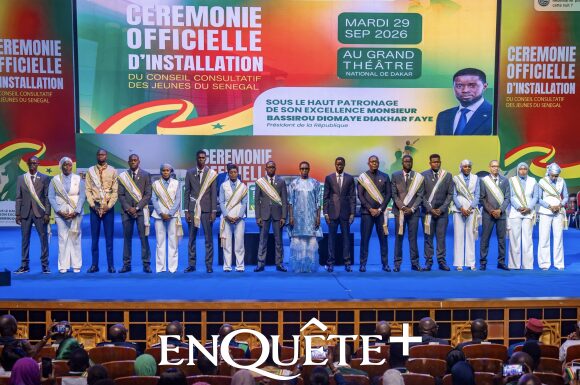
ADHA: Demands Independent Audit Politiques Jeunesse Sénégal
Summary
- ADHA has called for an independent audit of Senegal's youth policies and institutions following the establishment of a new youth advisory council by President Bassirou Diomaye Faye.
- The organization questions the creation of new bodies without first evaluating existing mechanisms, citing persistent youth challenges in employment, training, and migration.
- ADHA specifically demands accountability for the Conseil national pour l’Insertion et l’Emploi des Jeunes (CNIEJ), inquiring about its mandated annual reports and implemented recommendations.
- The proposed audit would be independent, transparent, and documented, examining results, resources, overlaps, and commitment fulfillment across all youth programs.
- ADHA expects the new Conseil consultatif des jeunes du Sénégal to regularly publish its findings and ensure follow-up on its recommendations, advocating for genuine participation and accountability.
A Call for Accountability in Youth Policy
The core message from ADHA is that merely adding another advisory body will not bring about meaningful change if the underlying public policies and their implementation remain unaltered.
The Action pour les Droits Humains et l’Amitié (ADHA) has issued a strong demand for an independent audit of Senegal's youth policies, programs, and existing institutions. This call comes in the wake of President Bassirou Diomaye Faye's establishment of the Conseil consultatif des jeunes du Sénégal (CCJS), a new advisory body for youth affairs. ADHA, in a communiqué dated September 29 and reported by EnQuête+, questioned the rationale behind creating a new entity without first thoroughly evaluating the effectiveness of mechanisms already in place to address youth challenges.
ADHA argues that the persistent difficulties faced by young people in Senegal, encompassing critical areas such as employment, vocational training, access to financing, precarious living conditions, irregular migration, and limited opportunities, have been the target of various governmental initiatives over the years. The organization expressed skepticism regarding the potential impact of the newly formed Consultative Council if its mandate does not include a comprehensive review of these existing structures. Their stance underscores a broader concern about the efficacy and impact of public spending and policy implementation in the youth sector.
Scrutiny of Past Initiatives and Unmet Mandates
Central to ADHA's concerns is the Conseil national pour l’Insertion et l’Emploi des Jeunes (CNIEJ), an entity established by decree on January 27, 2021. The CNIEJ was specifically tasked with coordinating, monitoring, and evaluating policies related to youth employment and integration, alongside an obligation to produce annual evaluation reports. ADHA has raised critical questions regarding the whereabouts of these mandated reports, the specific recommendations they might contain, and, crucially, which of those recommendations have actually been implemented.
This focus on the CNIEJ highlights a perceived gap in accountability and transparency within the existing framework for youth development. The organization's inquiry into the CNIEJ's performance forms a significant part of its broader demand for a comprehensive ADHA audit politiques jeunesse Sénégal, aiming to uncover whether past efforts have yielded tangible results or merely resulted in the proliferation of unmonitored bodies.
Defining the Scope of a Comprehensive Audit
ADHA's proposed audit is envisioned as an independent, transparent, and thoroughly documented examination of all policies, programs, and institutions dedicated to the nation's youth. The scope of this evaluation would be extensive, covering the actual outcomes achieved by these initiatives, the financial and human resources that have been mobilized, any potential overlaps or redundancies between different programs, and the extent to which announced commitments have been fulfilled. This detailed assessment is crucial for understanding the true impact of investment in youth development.
Furthermore, ADHA has outlined specific expectations for the newly installed Conseil consultatif jeunes Sénégal. The organization insists that the CCJS must regularly publish its opinions, recommendations, and activity reports. It also calls for the Council to provide clear accounts of the follow-up actions taken in response to its proposals. The ultimate goal is for the CCJS to evolve into a genuine platform for youth participation and governmental accountability, rather than becoming another body whose recommendations are left unaddressed.
Elevating Transparency in Youth Governance
The core message from ADHA is that merely adding another advisory body will not bring about meaningful change if the underlying public policies and their implementation remain unaltered. This perspective underscores the critical need for robust governance jeunesse Bassirou Diomaye Faye, emphasizing that effective solutions require more than just new structures; they demand rigorous evaluation and a commitment to acting on findings. The call for an audit and increased transparency programmes jeunesse signals a growing demand for accountability from civil society.
This initiative by ADHA highlights the imperative for all stakeholders, including government bodies, NGOs, and youth organizations, to ensure that resources allocated to youth development are utilized effectively and transparently. It serves as a reminder that genuine progress in addressing the multifaceted challenges faced by young people in Senegal hinges on a clear understanding of past performance and a steadfast commitment to evidence-based policy-making and implementation.
Practical Implications
Lawyers advising NGOs, youth organizations, or public bodies involved in youth policy in Senegal should be aware of this demand for an independent audit. It signals increased scrutiny over the effectiveness and accountability of existing and new youth-focused initiatives, potentially leading to legal challenges regarding transparency, public spending, or the implementation of youth programs.
Source
Source: Original reporting via EnQuête+
How does this affect you?
Get an AI analysis of this article grounded in your jurisdictions, practice areas, and any policy documents you've uploaded to Wansom.
Finish Reading the Full Story and the Expert Analysis.
Get the latest legal & regulatory intelligence in Senegal
Wansom is AI and can make mistakes.