
Sénégal Députés Rejettent Budget Infrastructures 2027
Summary
- The Senegalese National Assembly's Finance Committee rejected the 2027 budget proposal for the Ministry of Infrastructure and Terrestrial and Air Transport.
- The proposed budget of 601.27 billion FCFA represented a 16% decrease in payment credits compared to the previous year.
- Deputies criticized the absence of a results report for the Autonomous Road Maintenance Fund (FERA), which is required by organic law.
- Concerns were also raised regarding the reliability of expected revenues, programmed expenditures, and the overall weakness of public investment.
- The rejected budget is 114.86 billion FCFA lower than the previous fiscal year's allocation for the ministry.
Legislative Rejection of Infrastructure Budget
The legislative body's decision to Sénégal députés rejettent budget infrastructures 2027 underscores a commitment to fiscal scrutiny and accountability, particularly in a sector critical for national development and connectivity.
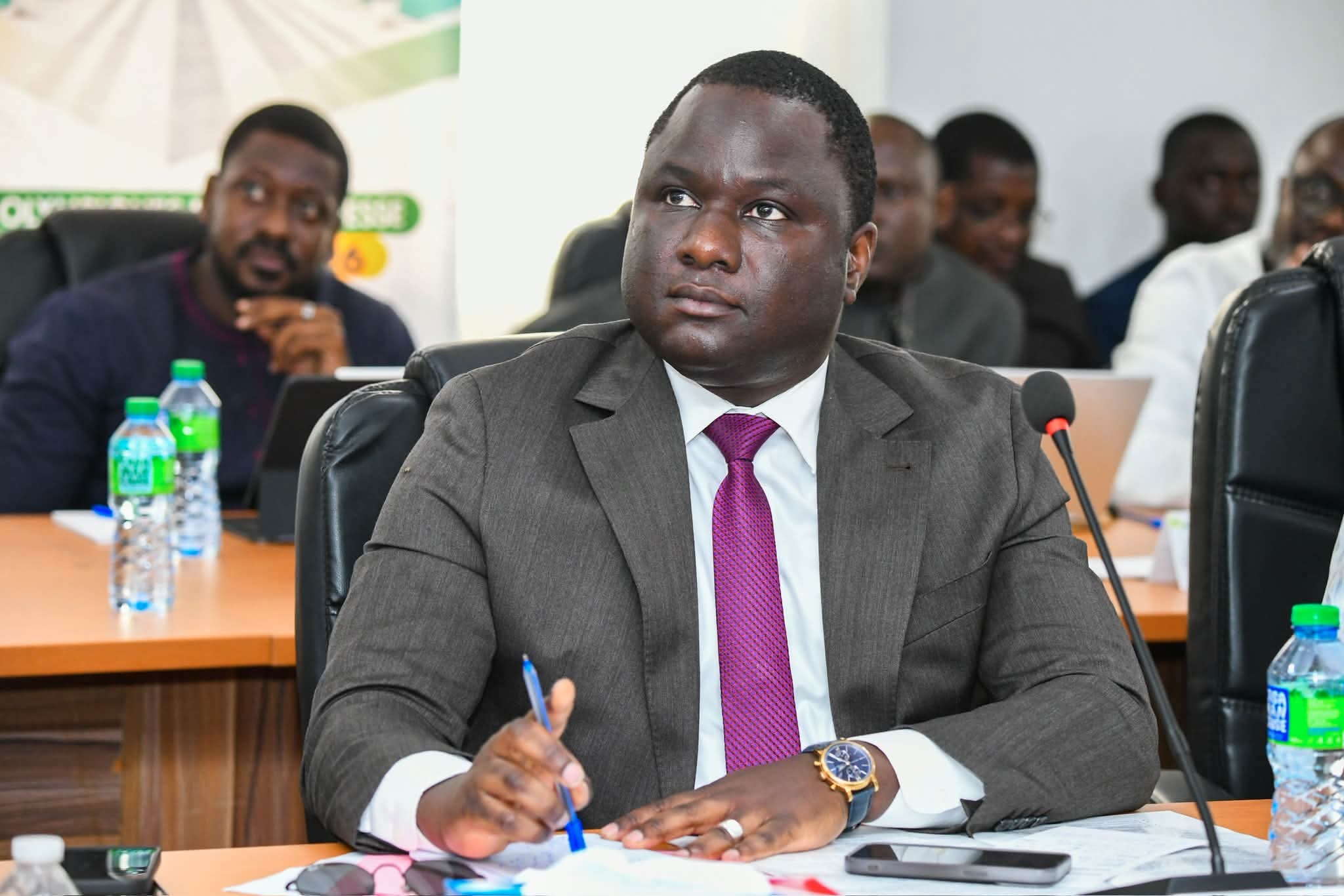
The Senegalese National Assembly's Finance Committee, in conjunction with the Committee responsible for Spatial Planning and Infrastructure, recently declined to approve the proposed 2027 budget for the Ministry of Infrastructure and Terrestrial and Air Transport. This significant decision followed an examination held on Saturday, November 14, 2026, where Minister Déthié Fall presented a budget envelope totaling 601,271,723,685 FCFA. This sum was allocated across both commitment authorizations and payment credits, representing the financial framework intended for the nation's critical infrastructure development and maintenance. The rejet budget ministère Infrastructures Sénégal marks a notable point in the country's legislative process for the upcoming fiscal year.
The proposed allocation for 2027 is notably smaller than the previous year's, with the current envelope being 114,857,848,586 FCFA less, according to reports from EMedia. This reduction immediately drew scrutiny from the deputies, who highlighted a 16% decrease specifically in the crédits de paiement infrastructures Sénégal. Such a substantial cut prompted serious questions regarding its potential impact on ongoing and planned infrastructure projects across the country, a sector that historically commands significant financial resources.
Deputies' Concerns and Legal Context
During their review, members of the Assemblée nationale Sénégal budget 2027 voiced several key concerns that ultimately led to the budget's non-approval. A primary point of contention was the observed decline in payment credits and the potential ramifications for the execution of vital public works. Furthermore, parliamentarians expressed strong reservations about the reliability of both anticipated revenues and the expenditures that had been programmed within the budget proposal. These financial uncertainties contributed to their overall lack of confidence in the presented figures.
A significant legal and transparency issue also emerged concerning the Fonds d'entretien routier autonome (FERA). Deputies specifically criticized the absence of a performance report detailing FERA's results, a presentation explicitly mandated by the country's loi organique budget Sénégal. This omission raised questions about accountability and the proper oversight of funds dedicated to road maintenance, reinforcing the legislative body's decision to reject the budget as it stood. The deputies also pointed to a general weakness in public investment, adding another layer to their critique of the proposed financial plan.
Broader Fiscal Landscape and Implications
The rejection of the infrastructure budget is set against the backdrop of the broader 2027 state budget project, which is estimated at 7,363.7 billion FCFA. While the Ministry of Economy, Finance, and Planning is slated to be the largest beneficiary within this larger framework, receiving 1,019.3 billion FCFA in payment credits, the overall state budget has not yet received final approval from the National Assembly. The infrastructure sector itself has historically been a major recipient of public funds, with 2024 figures showing 561.75 billion FCFA in commitment authorizations and 283.2 billion FCFA in payment credits.
The legislative body's decision to Sénégal députés rejettent budget infrastructures 2027 underscores a commitment to fiscal scrutiny and accountability, particularly in a sector critical for national development and connectivity. This initial rejection signals potential delays or re-prioritization of public works projects, which could impact existing contracts, financing arrangements, and future investment opportunities. The criticism regarding FERA's lack of reporting also highlights potential compliance and transparency issues for public entities, requiring careful review of contractual clauses related to funding availability and project timelines for any stakeholders.
Practical Implications
Lawyers advising clients in Senegal's infrastructure and transport sectors should monitor the revised budget proposal closely, as the initial rejection signals potential delays or re-prioritization of public works projects. This could impact existing contracts, financing arrangements, and future investment opportunities, requiring careful review of contractual clauses related to funding availability and project timelines. The criticism regarding FERA's lack of reporting also highlights potential compliance and transparency issues for public entities.
Source
How does this affect you?
Get an AI analysis of this article grounded in your jurisdictions, practice areas, and any policy documents you've uploaded to Wansom.
Finish Reading the Full Story and the Expert Analysis.
Get the latest legal & regulatory intelligence in Senegal
Wansom is AI and can make mistakes.