
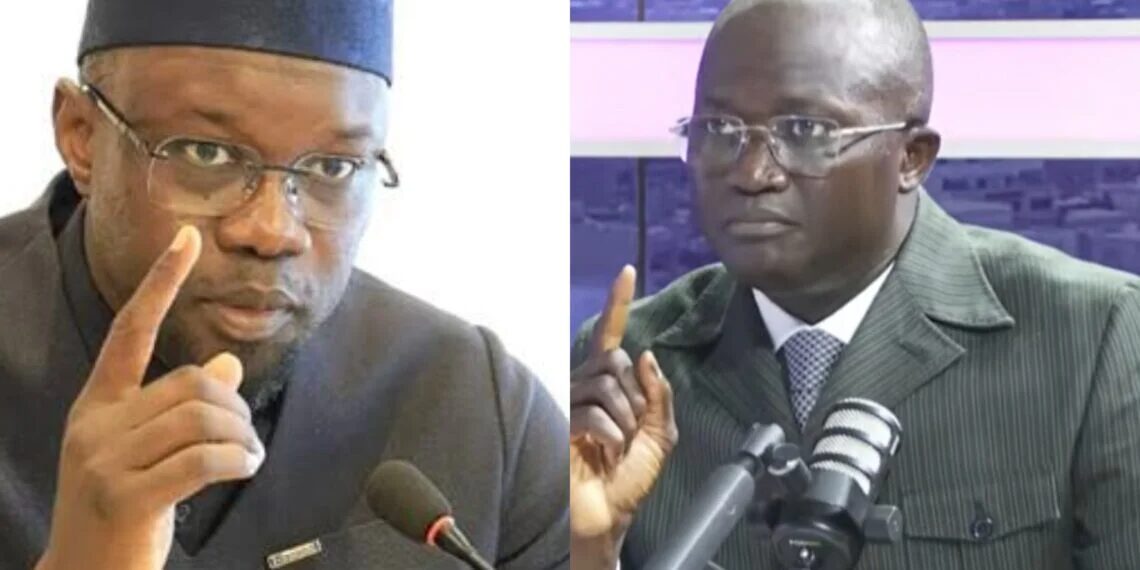
Sénégal National Assembly: Rejet Budget Militaire 2027 Yankhoba Diémé
Summary
- Senegal's 2027 Armed Forces budget, totaling 381.4 billion FCFA, was rejected by the National Assembly's Finance and Budget Control Committee.
- The rejection occurred amid tensions between the government and the parliamentary majority, specifically involving Minister Yankhoba Diémé and the Pastef-dominated committee.
- Pastef deputies cited concerns over the sincerity of the budget forecasts as their reason for refusal.
- Tensions between Minister Diémé and Pastef escalated after his government appointment, leading to his exclusion from local party bodies on June 2, 2026.
- A committee vote is not a final decision, and the budget will still face a full Assembly vote.
Senegal's 2027 Defense Budget Faces Initial Setback
It is crucial to understand that the rejection of the budget armées Sénégal by a parliamentary committee does not represent a final decision by the entire National Assembly.
The proposed 2027 budget for Senegal's Armed Forces, amounting to 381.4 billion FCFA, recently encountered a significant hurdle, being rejected by a key parliamentary committee. This decision by the Finance and Budget Control Committee within the National Assembly marks a notable development in the country's legislative process. The rejection specifically targets the financial plan presented by Yankhoba Diémé, who serves as the Minister of the Armed Forces.
This committee-level refusal unfolds amidst palpable tensions between the current government and the parliamentary majority. The substantial sum allocated for national defense in 2027 underscores the importance of this budget, making its initial rejection a focal point of political discourse. The parliamentary scrutiny of the rejet budget militaire 2027 Yankhoba Diémé highlights the intricate relationship between executive proposals and legislative oversight.
Political Tensions Fuel Committee's Opposition
The Finance and Budget Control Committee, where deputies from the Pastef party hold a dominant position, articulated its refusal of the defense budget by questioning the veracity of the government's budgetary forecasts. This challenge to the sincerity of the financial projections forms the core of the Pastef opposition budget militaire. The political climate surrounding this decision is reportedly charged, with reports from Dakarposte indicating an escalation of tensions between Minister Diémé and the Pastef party.
These heightened tensions are not a new phenomenon but are said to have intensified following Diémé's entry into the government. A notable event illustrating this strained relationship occurred on June 2, 2026, when local officials of the Pastef party publicly announced his exclusion from their party structures. This action followed his appointment as the Minister of the Armed Forces, suggesting a deep-seated political disagreement that now appears to be influencing the legislative review of the Sénégal budget défense 2027.
The Legislative Path for the Military Budget
It is crucial to understand that the rejection of the budget armées Sénégal by a parliamentary committee does not represent a final decision by the entire National Assembly. While significant, this committee vote serves as an initial assessment and a strong indicator of legislative sentiment rather than a definitive legislative outcome. The process for approving the overall national budget, including the defense component, involves further stages of deliberation and voting.
The commission Finances Assemblée nationale Sénégal plays a critical role in scrutinizing government proposals, but its decisions are subject to review and potential reversal by the full legislative body. Therefore, despite the current setback for the rejet budget militaire 2027 Yankhoba Diémé, the proposed 381.4 billion FCFA for national defense will still proceed to a broader parliamentary debate and a final vote budget armées Sénégal. This procedural nuance means that while the path forward may be challenging, the budget's ultimate fate is yet to be determined.
Broader Implications for Senegal's Defense Spending
The committee's rejection of the 2027 military budget carries significant implications beyond the immediate legislative process, particularly for the future of defense procurement and national security planning in Senegal. The explicit questioning of budgetary forecast sincerity by a dominant opposition-aligned committee suggests a deeper political struggle over resource allocation and government transparency. This could lead to prolonged debates and potential revisions to the proposed Sénégal budget défense 2027.
Such political friction surrounding the Yankhoba Diémé ministre Forces armées and his budget could impact the stability and predictability of defense spending. For stakeholders involved in government contracts or strategic planning related to the armed forces, this situation signals a period of uncertainty. The outcome of the final vote budget armées Sénégal will be closely watched, as it will not only determine the funding for 2027 but also reflect the evolving power dynamics within Senegal's political landscape and the government's ability to secure legislative consensus on critical national expenditures.
Practical Implications
Lawyers advising clients on government contracts or procurement in Senegal's defense sector should closely monitor the final parliamentary vote on the 2027 military budget. The initial rejection by the Finance Committee signals significant political hurdles and potential for budget revisions, which could impact future project funding, timelines, and contractual obligations related to defense spending.
Source
How does this affect you?
Get an AI analysis of this article grounded in your jurisdictions, practice areas, and any policy documents you've uploaded to Wansom.
Finish Reading the Full Story and the Expert Analysis.
Get the latest legal & regulatory intelligence in Senegal
Wansom is AI and can make mistakes.