
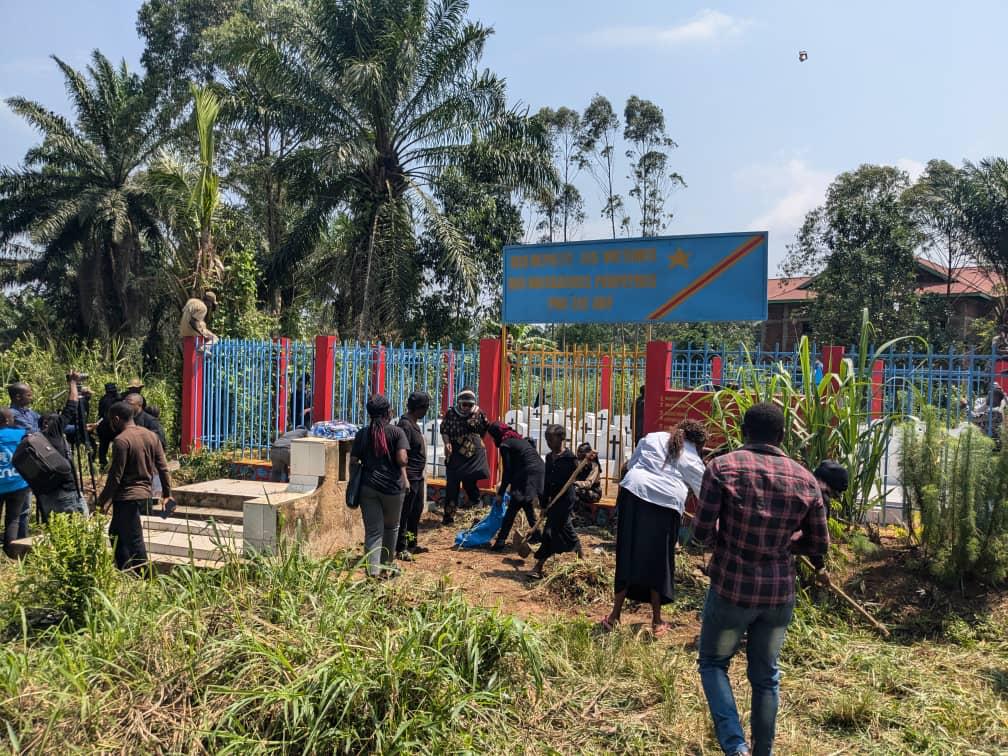
ADF Beni Massacres: Justice et Réparations Demandées 12 Ans Après
Summary
- Twelve years have passed since the initial massacres attributed to ADF combatants in Beni, Nord-Kivu.
- Survivors and victims' families continue to experience profound pain and demand justice and reparations.
- On October 15, 2014, approximately thirty people were killed in the Ngadi neighborhood on the outskirts of Beni city.
- The ongoing demands highlight a critical need for accountability and effective victim compensation mechanisms in the Democratic Republic of Congo.
- These persistent calls signal potential for future legal and policy developments concerning reparations for atrocities in conflict zones.
The Enduring Scars of Beni
For legal professionals specializing in human rights, international criminal law, or victim advocacy in the DRC, the persistent demands for justice and reparations for ADF victims in Beni represent a crucial area of focus.
The passage of twelve years has done little to diminish the profound suffering experienced by the survivors and families of victims following the initial massacres attributed to ADF combatants in the Beni region of Nord-Kivu. This enduring pain underscores a persistent demand for accountability and redress from those affected by the violence. The memory of the atrocities remains vivid, particularly concerning the tragic events of October 15, 2014, which marked a grim turning point for the community.
On that specific date, approximately thirty individuals lost their lives in the Ngadi neighborhood, situated on the periphery of Beni city. This incident, among the first in a series of brutal attacks, left an indelible mark on the collective consciousness of the local population. The attribution of these horrific acts to the Allied Democratic Forces (ADF) has fueled a long-standing quest for justice for Beni victims, who continue to seek meaningful reparations for the immense losses they have endured. The call for justice and reparations for ADF Beni massacres is not merely a historical footnote but a current, urgent plea from a community still grappling with the aftermath of widespread violence.
The Quest for Accountability and Redress
The persistent demands for justice and reparations for the victims of the ADF Nord-Kivu crimes de guerre highlight a critical need for accountability within the Democratic Republic of Congo. These calls are rooted in the principles of international humanitarian law, which mandates that victims of grave violations are entitled to effective remedies, including compensation for damages suffered. The attribution of the massacres to the ADF combatants places a significant focus on establishing the responsabilité ADF Congo for these heinous acts, ensuring that perpetrators are held to account and that victims receive appropriate forms of redress.
The concept of justice for Beni victims extends beyond mere punishment for perpetrators; it encompasses a broader framework of victim support and rehabilitation. Survivors and families are not only seeking legal recognition of the wrongs committed but also tangible mécanismes de réparation RDC that can help rebuild their lives and communities. This includes financial compensation, medical and psychological support, and measures to guarantee non-repetition of such atrocities. The ongoing advocacy for these rights underscores the gap between the suffering endured and the remedies provided, emphasizing the urgent need for robust legal and administrative frameworks to address these complex issues.
The Broader Implications for Conflict-Affected Regions
The unwavering insistence on justice and reparations for the victims of the ADF Beni massacres carries significant implications for human rights and international criminal law in the Democratic Republic of Congo and beyond. The sustained pressure from affected communities serves as a powerful reminder to national and international bodies that the passage of time does not extinguish the right to redress for crimes against humanity and war crimes. This ongoing demand signals a critical need for enhanced efforts to establish effective mécanismes de réparation RDC, ensuring that victims of conflict-related violence are not forgotten.
For legal professionals specializing in human rights, international criminal law, or victim advocacy in the DRC, the persistent demands for justice and reparations for ADF victims in Beni represent a crucial area of focus. This sustained pressure indicates the potential for future litigation, advocacy initiatives, and policy reforms aimed at strengthening accountability for atrocities and establishing robust victim compensation frameworks in conflict-affected regions. Addressing these demands is vital not only for the affected communities in Beni but also for setting precedents that affirm the fundamental rights of victims to justice and reparation globally.
Practical Implications
Lawyers specializing in human rights, international criminal law, or victim advocacy in the DRC should monitor the persistent demands for justice and reparations for ADF victims in Beni. This ongoing pressure signals potential for future litigation, advocacy initiatives, or policy reforms concerning accountability for atrocities and the establishment of effective victim compensation mechanisms in conflict-affected regions.
Source
How does this affect you?
Get an AI analysis of this article grounded in your jurisdictions, practice areas, and any policy documents you've uploaded to Wansom.
Finish Reading the Full Story and the Expert Analysis.
Get the latest legal & regulatory intelligence in DR Congo
Wansom is AI and can make mistakes.