
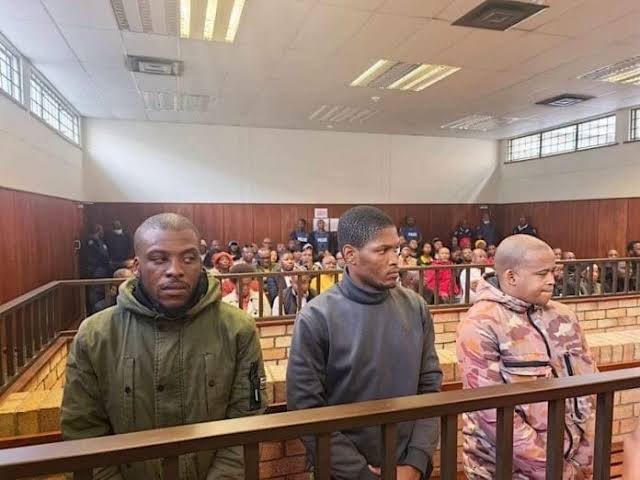
Mdantsane Magistrates Court: Zolani Tete Murder Bail Ruling Nears
Summary
- A ruling is pending in the Mdantsane Magistrates’ Court regarding the bail applications of two men accused in the murder of boxer Zolani Tete.
- The suspects include an alleged 22-year-old mastermind and an alleged middleman.
- The bail hearing was postponed due to the introduction of new ballistic evidence concerning the firearm and ammunition used in the killing.
- A defence lawyer argues that the new evidence does not sufficiently connect his client to the crime scene or justify continued detention.
- Zolani Tete was shot dead outside his Mdantsane home three weeks prior to the report.
Upcoming Bail Decision in High-Profile Murder Case
A defence lawyer for one of the accused has vehemently argued that the information presented does not establish a sufficient link between his client and the crime scene.
A significant ruling is anticipated in the Mdantsane Magistrates’ Court concerning the bail applications of two individuals implicated in the murder of former boxing champion Zolani Tete. The court proceedings will determine the immediate future of the accused, who face serious charges related to the death of the renowned athlete.
The two suspects include a 22-year-old man identified as the alleged mastermind behind the killing, alongside another individual described as an alleged middleman. Their applications for bail have drawn considerable attention, particularly given the high-profile nature of the victim and the circumstances surrounding his death.
Zolani Tete was tragically shot and killed outside his residence in Mdantsane approximately three weeks prior to the source report. The upcoming decision from the Mdantsane Magistrates Court bail application is a critical juncture in the ongoing investigation into this violent crime, as reported by SABC News.
Ballistic Evidence Prompts Postponement
The bail hearing for the Zolani Tete murder suspects was previously postponed, a decision directly influenced by the emergence of new evidence. This critical development centers on a ballistic report detailing the firearm and ammunition utilized in the fatal shooting of the former boxing champion.
The introduction of this ballistic report criminal evidence has introduced a new dimension to the proceedings, requiring the court and legal teams to re-evaluate the strength of the prosecution's case. Such forensic findings often play a pivotal role in criminal investigations, particularly in cases involving firearms.
In response to the new evidence, a defence lawyer for one of the accused has vehemently argued that the information presented does not establish a sufficient link between his client and the crime scene. Furthermore, the defence contends that the evidence fails to provide adequate justification for the continued detention of the individual, highlighting the ongoing legal battle over the interpretation and weight of the forensic findings.
Implications for South Africa's Criminal Procedure
This case underscores the profound impact that forensic evidence, specifically ballistic reports, can have on bail applications within South Africa's criminal procedure updates. The defence's challenge to the sufficiency of the evidence connecting an accused to the crime scene, particularly when new forensic data emerges, is a common yet crucial aspect of legal strategy.
For criminal defence lawyers, the Zolani Tete murder bail ruling serves as a practical illustration of the necessity to meticulously scrutinize forensic reports. It emphasizes the importance of challenging any perceived weaknesses or ambiguities in such evidence, especially when it forms a cornerstone of the prosecution's argument for continued detention.
The outcome of this bail application, influenced by the new ballistic evidence, will offer valuable insights into how South African courts weigh forensic findings against an accused's right to liberty. It highlights the dynamic nature of high-profile murder trials and the continuous need for legal teams to adapt their strategies based on evolving evidentiary landscapes.
Practical Implications
Criminal defence lawyers should note how new ballistic evidence can influence bail applications, highlighting the importance of scrutinizing forensic reports and challenging the sufficiency of evidence connecting clients to a crime scene. This case serves as a practical example for strategizing defence arguments in high-profile murder trials.
Source
Source: Original reporting via SABC News
How does this affect you?
Get an AI analysis of this article grounded in your jurisdictions, practice areas, and any policy documents you've uploaded to Wansom.
Finish Reading the Full Story and the Expert Analysis.
Get the latest legal & regulatory intelligence in South Africa
Wansom is AI and can make mistakes.