
Zimbabwe Transport Ministry: Preliminary Air Crash Report Released
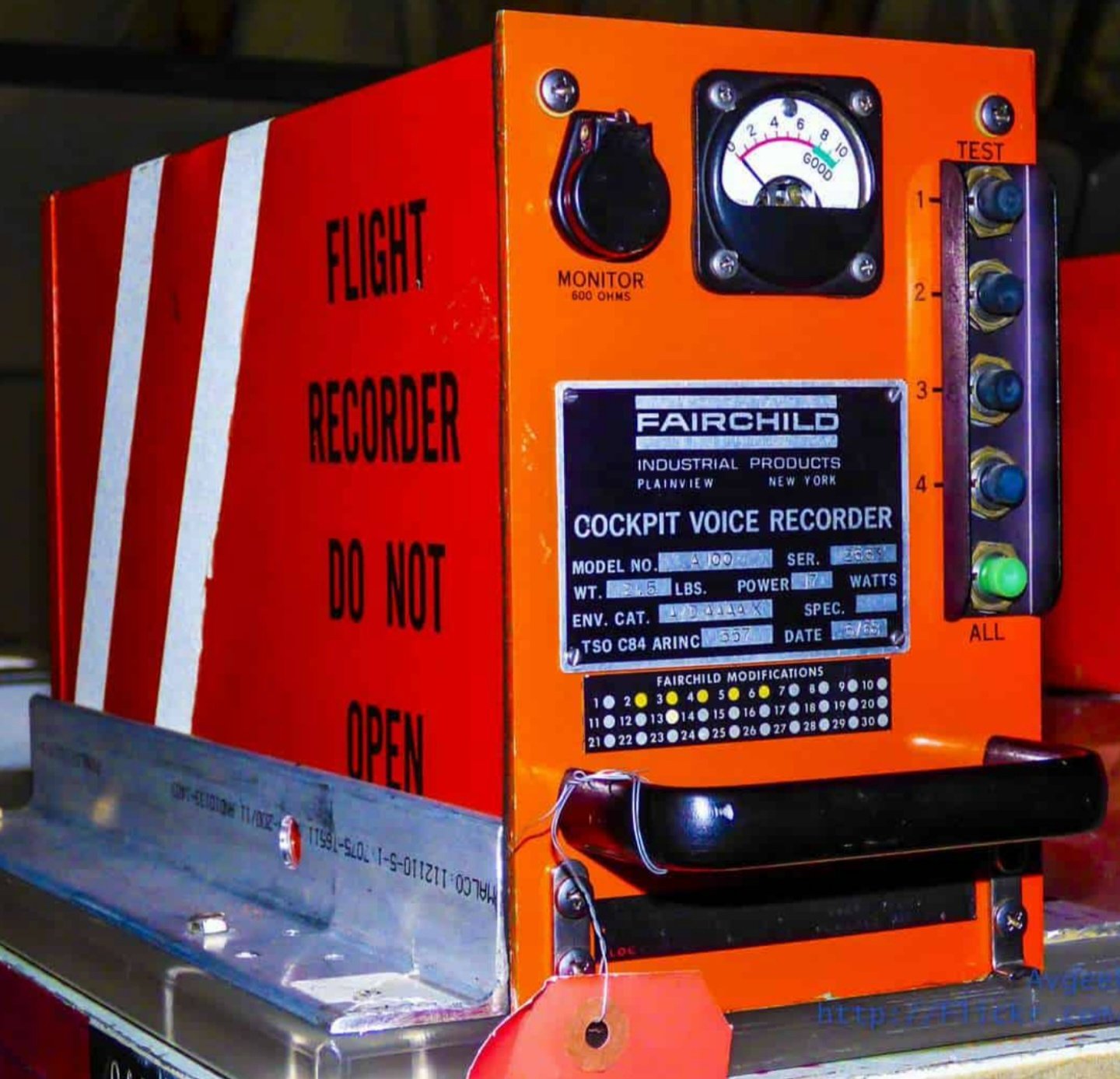
Zimbabwe's Ministry of Transport and Infrastructural Development's Air Accidents and Incidents Investigation Department released a preliminary report over two weeks past its statutory 30-day deadline, attributing the fatal September 30 helicopter crash that killed businessman Wicknell Chivayo and four others to adverse weather conditions, while raising fresh alarm over a missing flight recorder, contradicting earlier official assurances of its recovery. The 14-page document, which cites adverse weather and controlled flight into terrain as causes, has sparked public concern due to major contradictions regarding the Cockpit Voice Recorder (CVR) black box and unresolved forensic questions concerning the victims' unrecovered heads, thereby undermining confidence in the official narrative and fueling speculation of foul play. The incident involved a Bell 430 helicopter, carrying Chivayo, his wife Lucy Muteke, her aide Senelisiwe Magagula, pilot-in-command Captain Kelvin Tafirei Soda, and co-pilot Courage Mutavirwa, which departed Gandami Village in Chikomba District, Mashonaland East province, for Harare via Marondera, encountering severe weather approximately 10 minutes into the journey.
This development carries significant legal implications for aviation safety, regulatory compliance, and public accountability in Zimbabwe. The discrepancies in the report, particularly concerning the CVR, could lead to increased scrutiny of the Air Accidents and Incidents Investigation Department's processes and the overall transparency of governmental investigations. Such inconsistencies can erode public trust, potentially leading to demands for independent inquiries or reforms in accident investigation protocols. Furthermore, the attribution of the crash to adverse weather conditions, despite meteorological advisories, raises questions about operational decision-making and adherence to safety standards by air operators, which could influence future regulatory enforcement and liability assessments.
The legal context for this incident is rooted in Zimbabwe's aviation regulatory framework, likely governed by the Civil Aviation Act and associated regulations, which mandate the investigation of air accidents and the timely release of preliminary reports. The statutory 30-day deadline for such reports underscores the legal requirement for prompt and transparent communication following aviation incidents. The mention of
How does this affect you?
Get an AI analysis of this article grounded in your jurisdictions, practice areas, and any policy documents you've uploaded to Wansom.
Finish Reading the Full Story and the Expert Analysis.
Get the latest legal & regulatory intelligence in Zimbabwe
Wansom is AI and can make mistakes.