
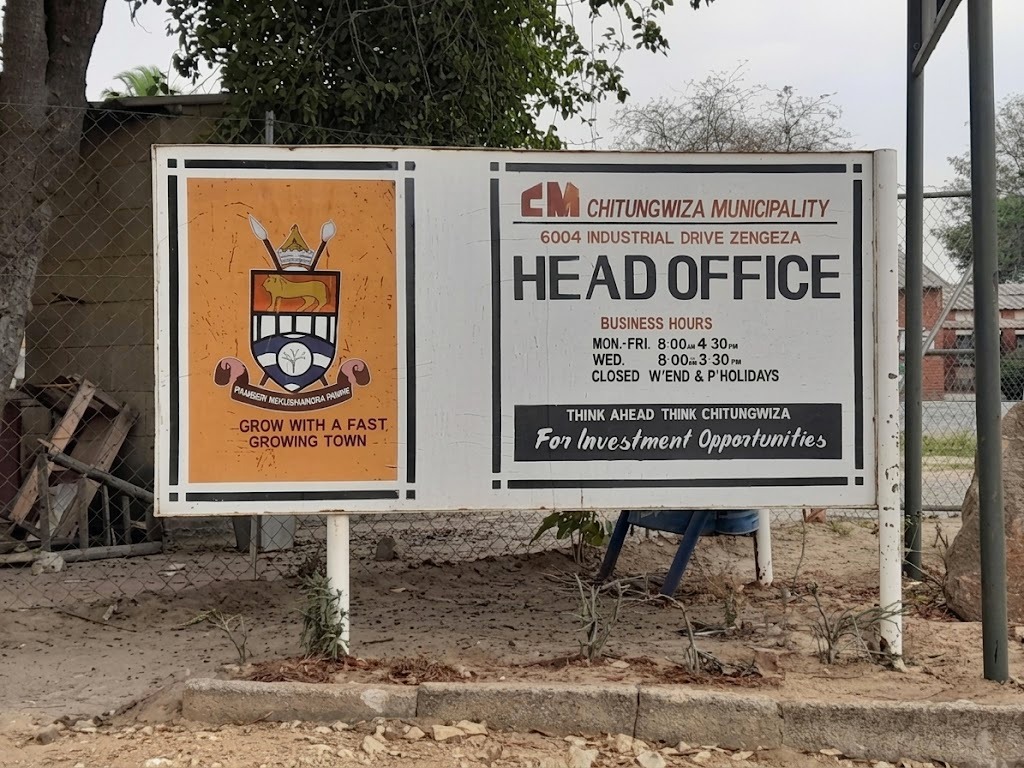
CHITREST Demands Records: Chitungwiza Bus Terminus Commercial Stands Conversion
Summary
- CHITREST Executive Director Alice Kuvheya sent a letter to the Chitungwiza Town Clerk on November 16, 2026.
- The letter formally requested access to council records regarding a reported land use change.
- The dispute centers on the alleged conversion of the Chitungwiza bus terminus into commercial stands.
- This action represents a challenge to Chitungwiza Municipality's land conversion decisions.
What Happened
By demanding access to council records Chitungwiza, the organization is asserting the community's right to scrutinize decisions that affect their collective well-being and the future development of their town.
On November 16, 2026, the executive director of CHITREST, Alice Kuvheya, formally addressed a letter to the Town Clerk of Chitungwiza Municipality. This correspondence initiated a direct challenge to a reported decision by the local authority concerning a significant land use change within the urban area. The core of the dispute centers on the alleged conversion of a public bus terminus into commercial stands, a move that has prompted demands for greater transparency from the municipal government.
CHITREST's communication specifically requested comprehensive access to all council records pertaining to this reported land redesignation. The organization seeks to scrutinize the decision-making process behind the proposed transformation of the Chitungwiza bus terminus into commercial stands, emphasizing the need for public oversight in such critical urban planning matters. This demand for access to council records Chitungwiza highlights a growing concern among residents regarding the municipality's land management practices.
Legal and Regulatory Context
The request by CHITREST underscores the fundamental right of citizens and organizations to access public information, particularly when local authorities like Chitungwiza Municipality undertake significant land conversion projects. Administrative law principles often mandate transparency and due process in governmental decisions, especially those impacting public assets and services. The demand for records serves as a mechanism to ensure that urban planning decisions are made in accordance with established legal frameworks and in the public interest.
Such land use re-designations, like the reported change of the Chitungwiza bus terminus to commercial stands, typically require adherence to specific procedures, including public consultation and environmental impact assessments. The legal framework governing local authorities in Zimbabwe emphasizes accountability and the need for justifiable reasons behind alterations to designated land use. CHITREST's action can be seen as an attempt to enforce these principles and challenge any potential administrative overreach or lack of transparency in the Chitungwiza Municipality land conversion process.
Why It Matters
The alleged conversion of a vital public transport hub, the Chitungwiza bus terminus, into commercial stands carries substantial implications for the community and urban infrastructure. Such a change could disrupt public transportation services, alter traffic flow, and impact the daily lives of countless residents who rely on the terminus. This particular Zimbabwe land use dispute highlights broader concerns about the strategic allocation of urban land and the potential for public amenities to be privatized or re-purposed without adequate public input or justification.
Moreover, the proactive stance taken by CHITREST, through its executive director Alice Kuvheya, sets a precedent for citizen engagement and oversight of local governance. By demanding access to council records Chitungwiza, the organization is asserting the community's right to scrutinize decisions that affect their collective well-being and the future development of their town. This incident serves as a critical reminder of the importance of robust administrative processes and the need for local authorities to operate with full transparency and accountability when managing public resources and planning urban development.
Practical Implications
Lawyers should advise clients on their rights to access public records from local authorities like Chitungwiza Municipality, especially when challenging land use re-designations. This case highlights potential administrative law challenges and the importance of due process in urban planning decisions.
Source
Source: Original reporting via Newsday
How does this affect you?
Get an AI analysis of this article grounded in your jurisdictions, practice areas, and any policy documents you've uploaded to Wansom.
Finish Reading the Full Story and the Expert Analysis.
Get the latest legal & regulatory intelligence in Zimbabwe
Wansom is AI and can make mistakes.