
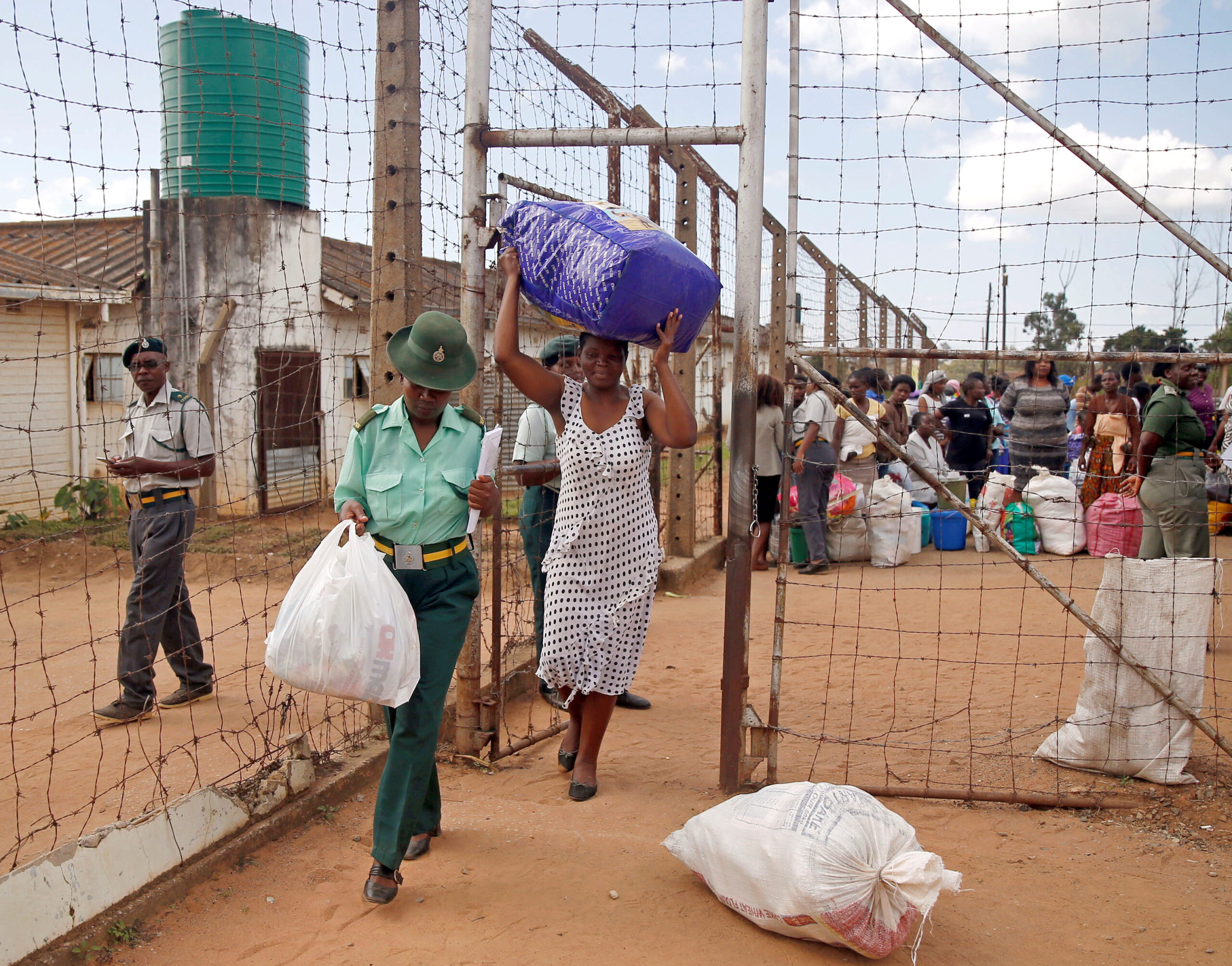
Zimbabwe Senate: Prison Officers Feeding Babies Prompts Reform Motion
Summary
- A motion has been tabled in Zimbabwe's Senate to mandate government-funded support for pregnant women and nursing mothers in prison.
- The motion calls for state-funded nutrition, healthcare, and gender-specific facilities for mothers and their babies.
- Critics argue that relying on individual compassion for care violates children's rights to adequate nutrition and development.
- The motion asserts that a prison sentence should deprive an offender of liberty, not a child of childhood.
- Currently, Zimbabwe prison officers reportedly use their own salaries to feed babies of incarcerated mothers due to lack of state funding.
Legislative Push for Inmate Welfare
A central tenet of the Senate motion is the assertion that a prison sentence should exclusively deprive an offender of their liberty, not deny a child their fundamental childhood.
A significant legislative initiative has been launched within Zimbabwe's Senate, aiming to fundamentally alter the provisions for pregnant women and nursing mothers incarcerated in the nation's correctional facilities. This motion seeks to mandate government-funded support, including nutrition, healthcare, and specialized gender-appropriate amenities, for these vulnerable populations. The current situation, where the burden of care often falls to individual compassion, has prompted this parliamentary action.
Reports indicate that in the absence of dedicated state funding, Zimbabwe prison officers are feeding babies born to incarcerated mothers, often relying on their personal salaries to provide essential sustenance. This reliance on the goodwill of correctional staff highlights a critical gap in the existing welfare system for children residing within prisons, prompting calls for systemic change. The tabled motion directly addresses this deficiency, advocating for a formalized, state-backed framework to ensure the well-being of these young children.
Addressing Critical Gaps in Care
The proposed Zimbabwe Senate motion for pregnant prisoners and nursing mothers directly targets the current inadequacies in the care provided to children living within prison walls. It specifically calls for the establishment of comprehensive government-funded programs that would guarantee adequate nutrition for infants and young children, ensuring their healthy development. Beyond food, the motion also emphasizes the necessity of robust healthcare services tailored to the unique needs of both mothers and their babies.
Furthermore, the motion advocates for the creation of gender-specific facilities within correctional institutions. These specialized environments would be designed to accommodate the particular requirements of pregnant inmates and those caring for infants, moving beyond generic prison infrastructure. This comprehensive approach aims to elevate the standard of living for these vulnerable groups, ensuring that their basic human rights are upheld even within a carceral setting.
Upholding Children's Rights
A central tenet of the Senate motion is the assertion that a prison sentence should exclusively deprive an offender of their liberty, not deny a child their fundamental childhood. Critics of the current system vehemently argue that the reliance on individual acts of compassion, rather than institutionalized state support, constitutes a violation of children's inherent rights. They contend that such a system fails to guarantee adequate nutrition and proper developmental opportunities for these young individuals.
The ongoing debate surrounding conditions for mothers and children in facilities like Chikurubi Prison underscores broader concerns regarding Zimbabwe human rights prison children. Advocates highlight that children, through no fault of their own, are subjected to the harsh realities of incarceration, and therefore, the state bears a heightened responsibility to protect their welfare. The motion seeks to enshrine this principle into policy, ensuring that the circumstances of a parent's detention do not irrevocably harm a child's future.
Implications for Correctional Services Reform
The potential passage of this motion carries significant implications for Zimbabwe correctional services reform. Should it be enacted, it would necessitate a substantial overhaul of existing policies and resource allocation within the nation's prison system. The shift from informal, compassion-driven support to formalized, government-funded provisions would represent a major step towards modernizing correctional practices and aligning them with international human rights standards.
For legal practitioners and human rights organizations, this development presents a crucial opportunity. The establishment of new legal precedents or explicit policy requirements for the care of children in correctional facilities could provide strong grounds for advocacy. It would empower lawyers representing inmates, particularly pregnant women and nursing mothers, to monitor compliance and challenge any shortcomings, ensuring that the rights of both mothers and their children are rigorously protected under the new framework.
Practical Implications
Lawyers representing inmates, particularly pregnant women and nursing mothers in Zimbabwe, should monitor the progress of this Senate motion. Its potential passage could establish new legal precedents or policy requirements for the care of children in correctional facilities, providing grounds for advocacy or litigation regarding human rights and conditions of detention.
Source
How does this affect you?
Get an AI analysis of this article grounded in your jurisdictions, practice areas, and any policy documents you've uploaded to Wansom.
Wansom is AI and can make mistakes.